15 February 2025 – 22 February 2025
Having had such an excellent Wizz Air experience on our Balkans trip last year, we looked forward to the prospect of another trip to Luton and another Wizz Air flight eastwards with significantly less trepidation than back in October. That said, there’s always that voice in the back of our minds saying that all the reviews can’t be wrong.
There was a significant amount of nervousness, some would say close to panic, at the 4.30am get up and 5am leave on 15 February. Our departure time, and the fact that a mostly discombobulated remnant of what used to be Jessie arrived back at 930pm from a school trip to Liverpool the night before (having basically not slept since Wednesday) put paid to any Valentine’s Day urges that we may have considered. Romantic dinners would need to wait.
Fair to say the kids were already trashed as we threw them into the car at 5am, leaving behind a sad Gus. In true collie style, he’d actually been a good dog for the last 48 hours, no doubt fully conscious that we were going to leave him behind. We’ll see him again in a week, and he’ll probably then punish us for taking his Emily away. (Emily is his favourite person in the world/dog walker who was moving in to look after him whilst we were travelling).
We drove to Luton, taking rare delight at our ability to drive through central London (no congestion charge at 5am) and eventually got to Luton (which always feels further away than Belgium). The kids started to stir, excited by the prospect of the pub at Luton Airport which, they maintain, does the best burgers in the world.
True to form, Luton was fast and effiicient – we dropped the car, donned our backpacks and were through security in minutes. Aside from it’s geographic location of basically being in another country, Luton was becoming a favourite. A light fast breakfast at our favourite airport pub and we made our way to the gate, to the unavoidable, budget airline pre departure cattle crush.
We boarded on time, got the now normal, highly enthusiastic and not-to-be-trifled-with safety demonstration (something the Wizz Air staff seem to really lean into). We were scattered across the plane because we refuse to pay the extra 60 quid to spend the 2 hours together – so Liz and Anthony up front and kids dispersed among the throng elsewhere. The plane was the newest and cleanest we’d ever seen. We took off on time, cruised over an increasingly white and snowy eastern Europe and landed early on a clear but freezing Krakow morning.
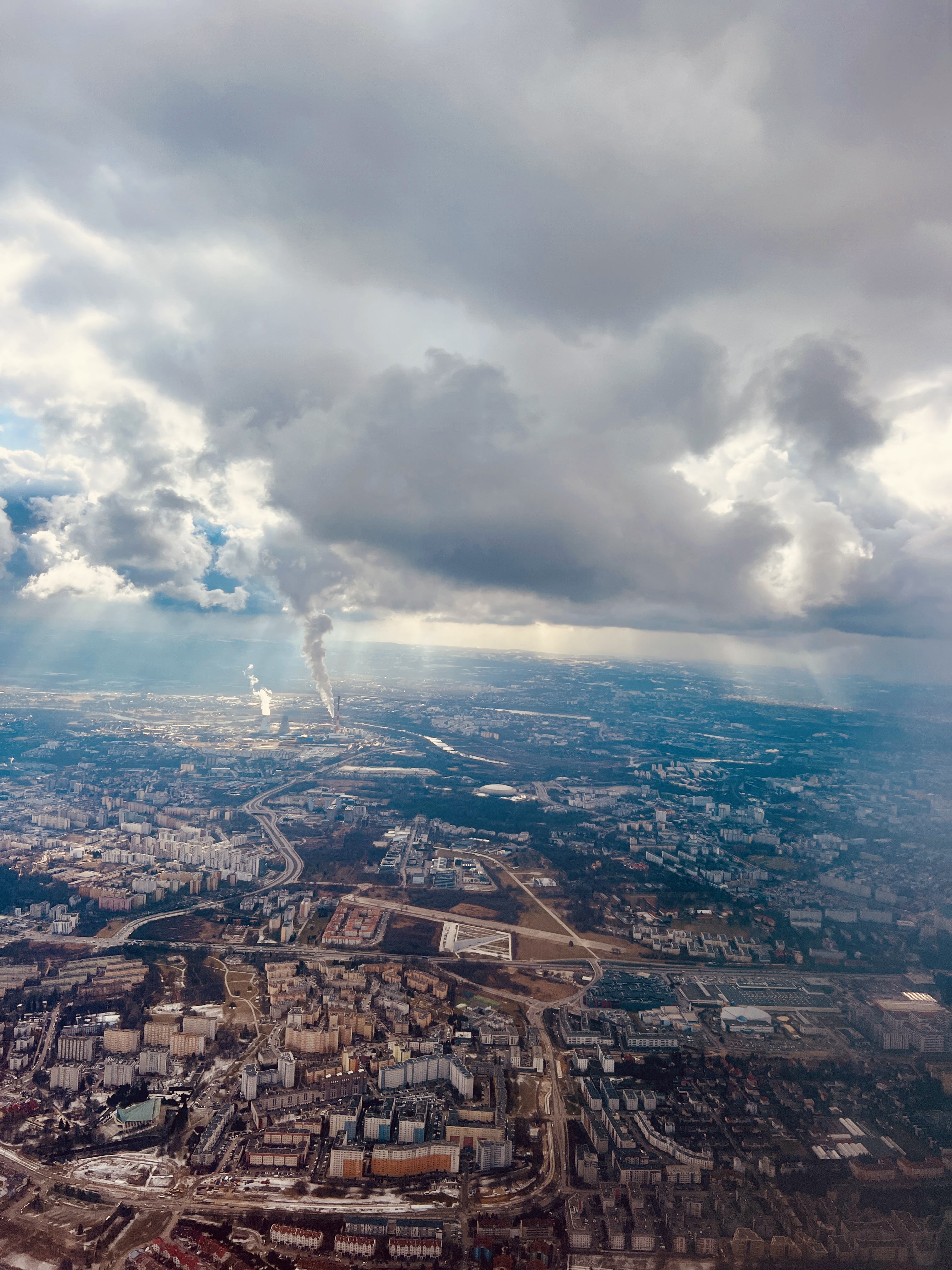
Wizz Air were hitting 2 for 2 and we were becoming their more enthusiastic cheerleaders.
Krakow was -5 when we landed, but at least we were prepared. It was sunny and calm, so it didn’t feel as cold as it was. We donned our 17 layers of down jackets, fleeces, gloves and beanies and hit the streets.
We dropped our bags at our lovely apartment ‘Old Market Residence’, ideally situated between the main train station (forget any notions of train stations being dodgy parts of town to be avoided, Kraklow Glowny is built into a shopping centre that would rival the biggest Westfields in either London or Sydney) and the stunning Old Town walls.
We spent our first afternoon in Krakow exploring the Old Town. Unlike Warsaw, Krakow was not flattened in World War 2. It was taken by the Germans without a fight in September 1939 and became the Nazi administrative capital during the occupation. From 1941 it was home to the Krakow Ghetto which housed the regions Jews until they were deported to Auschwitz, before it was liberated by the Soviet army in January 1945.
Like the rest of the region, Poland jumped from the frying pan into the fire. By 1947 it was under communist leadership and Soviet repression. There was political unrest through the 1950s and 60s, and the Solidarity movement in the 1980s which eventually led to the fall of the communist government in 1989. Since the 1990s the country is generally seen as one of the success stories of the old eastern block with strong economic growth and a relatively stable political system.
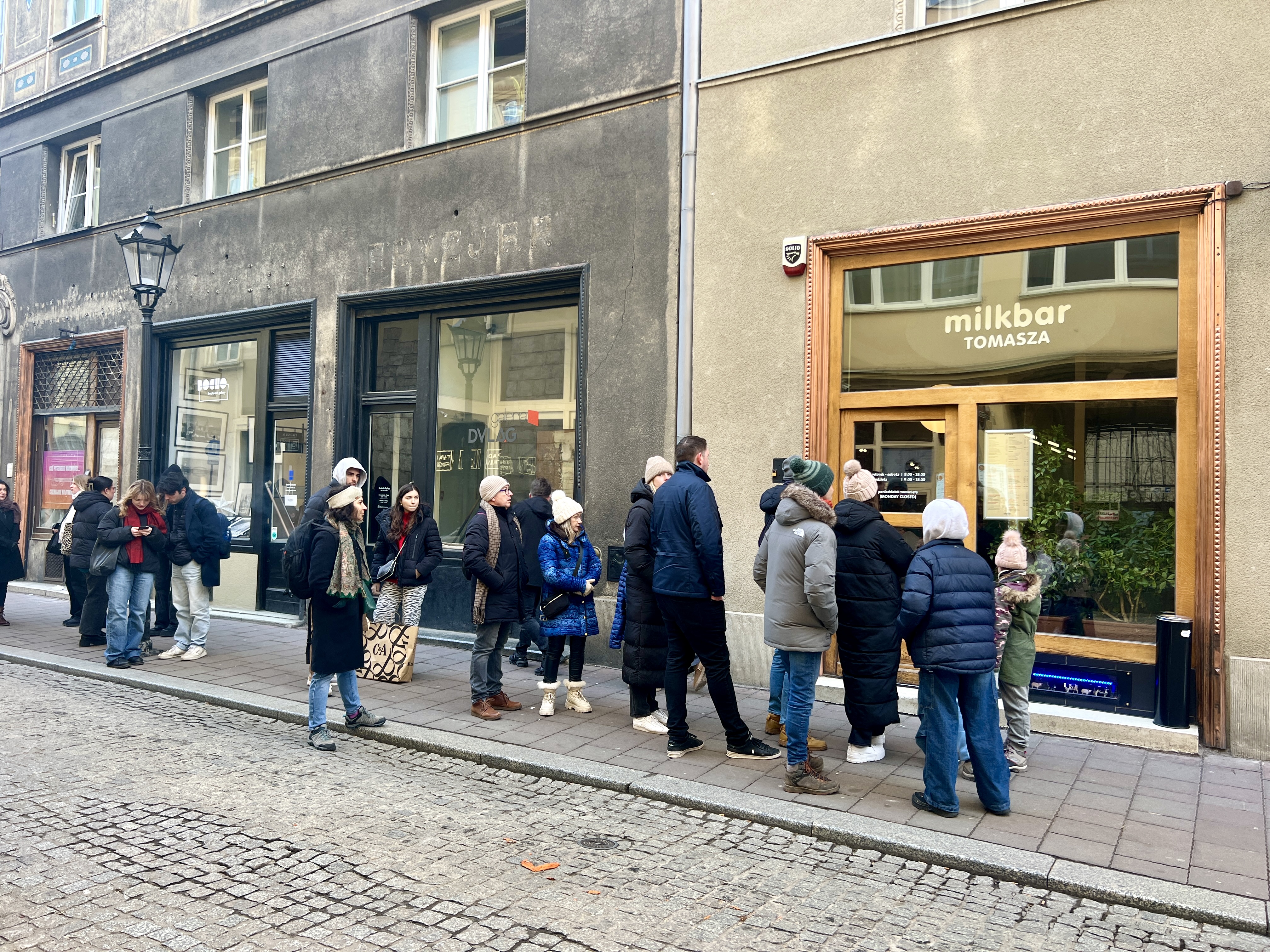
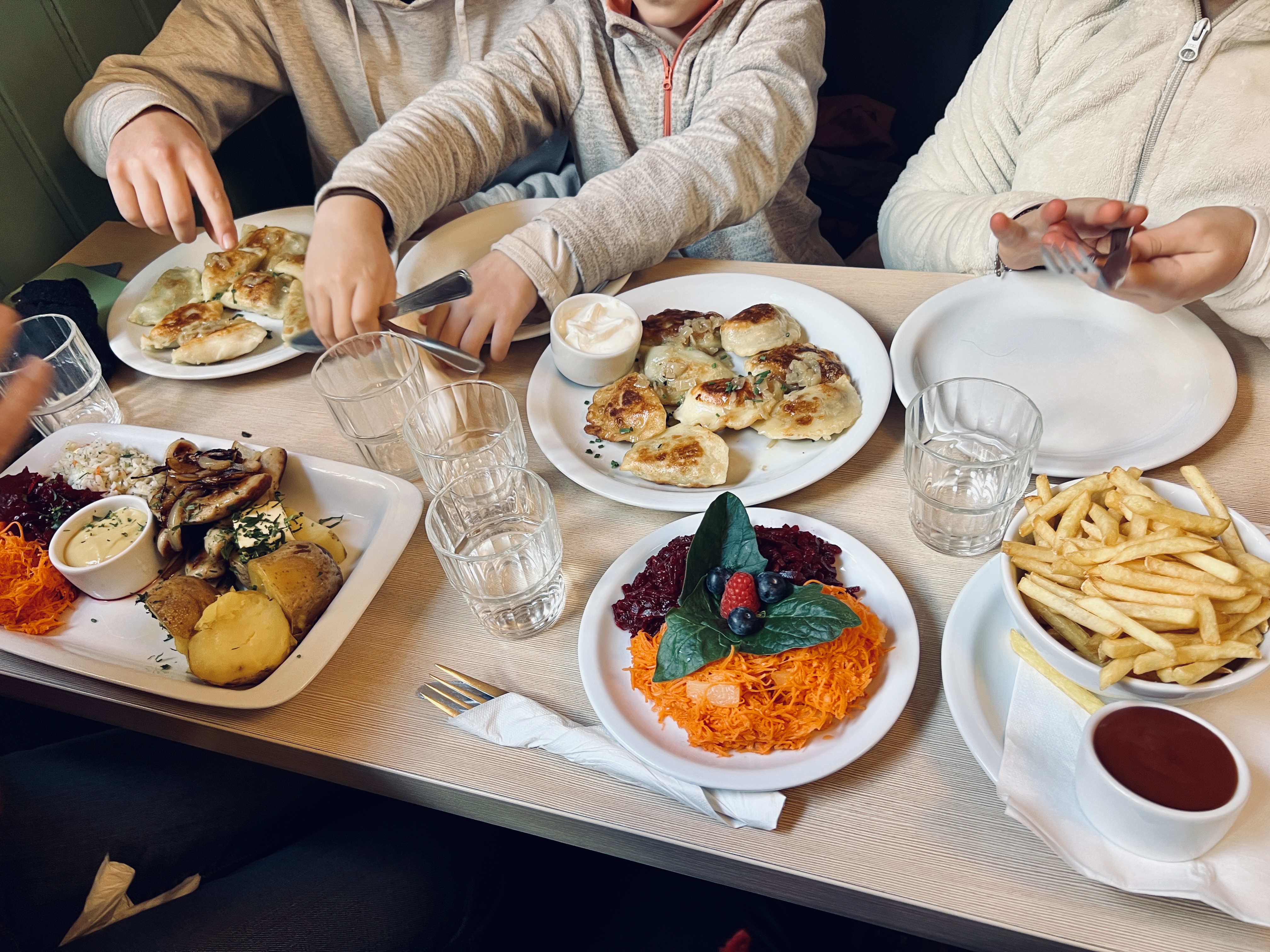
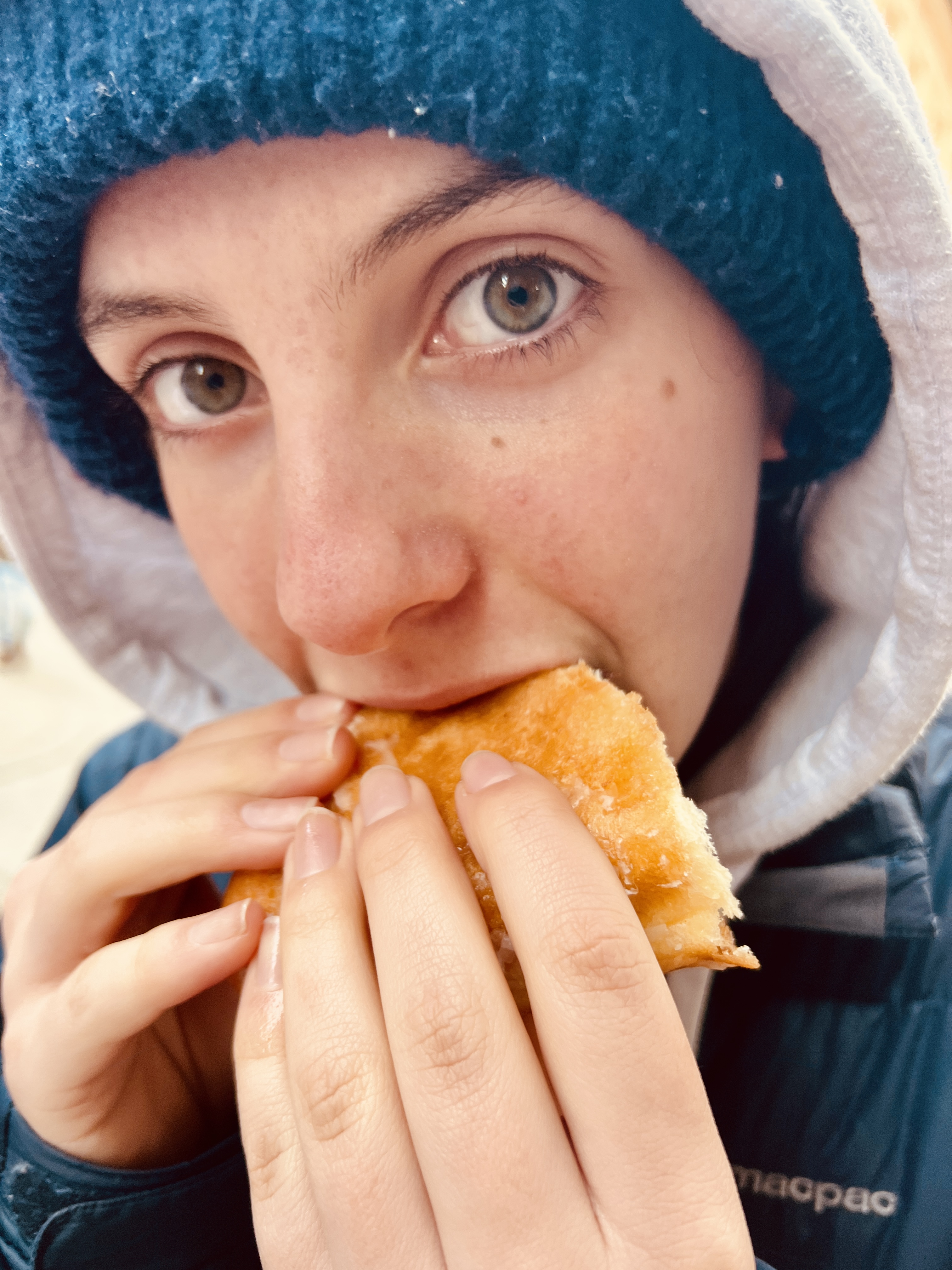
Our first stop in the Old Town was the Milkbar Tomasza, where, after a 45 minute wait in the – 5 degree temperatures (cold, but totally worth it) we feasted on perogi, soup, potato cakes and cabbage, beetroot and carrot salad. Yum.
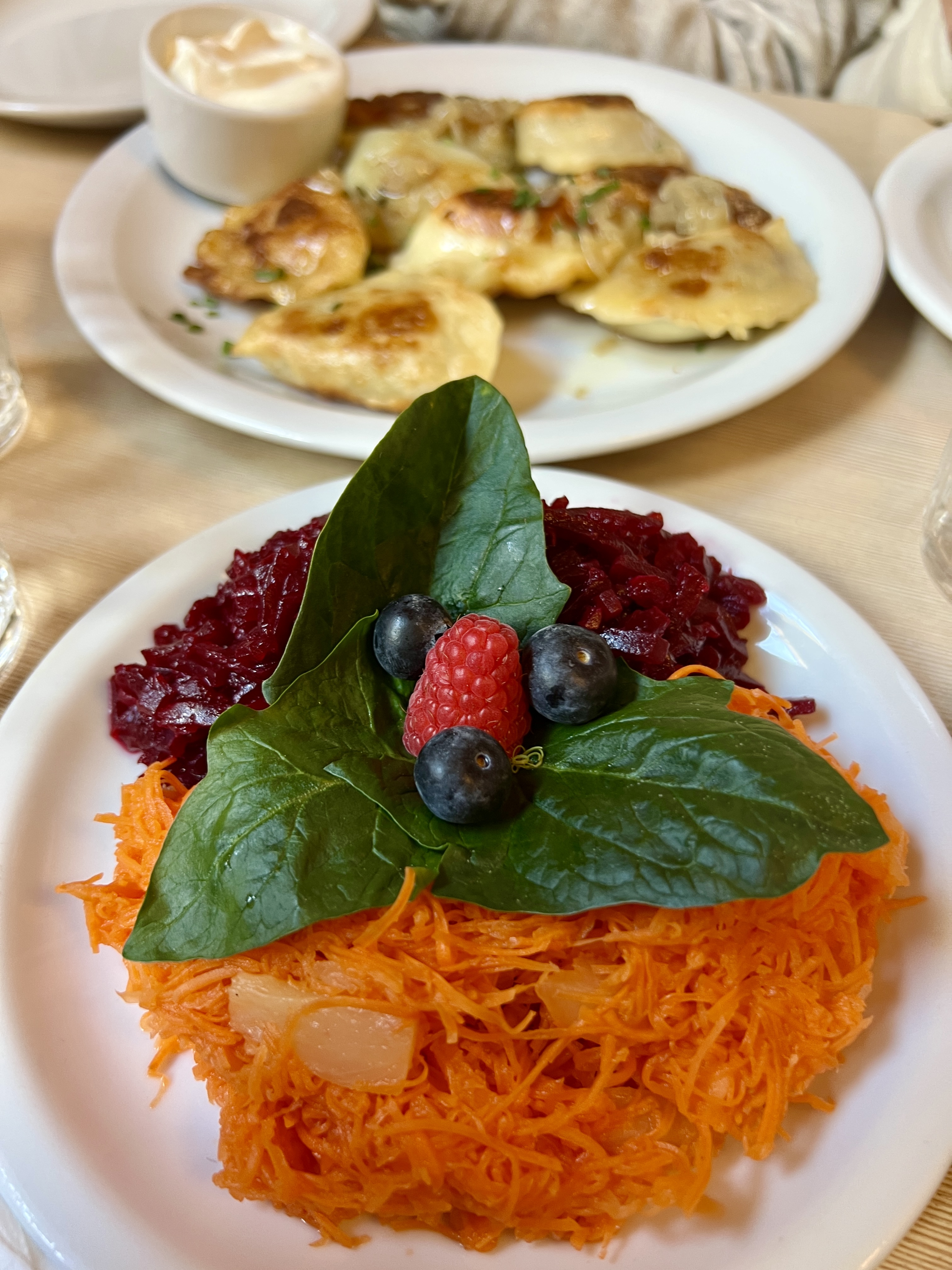
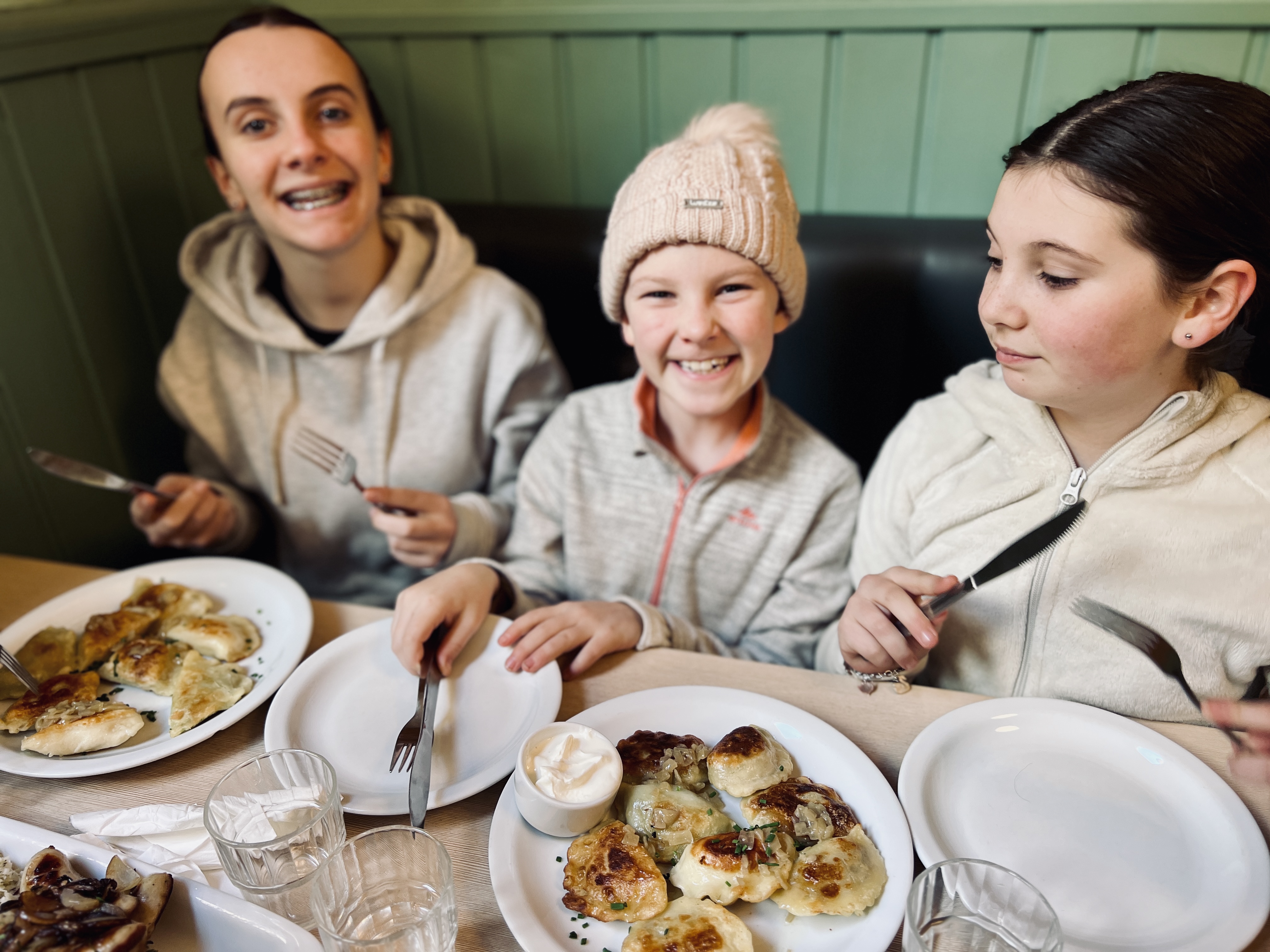
From there, we went on a bit of an exploration of the Old Town. Walking around the centre of Krakow and the Old Town its hard to believe what has happened here over the last 100 years. The centre of the town looks modern and well maintained. The Old Town, with its cobblestone streets, Austro Hungarian architecture, beautiful churches and enormous main square is worthy of its reputation as one of the best in Europe.
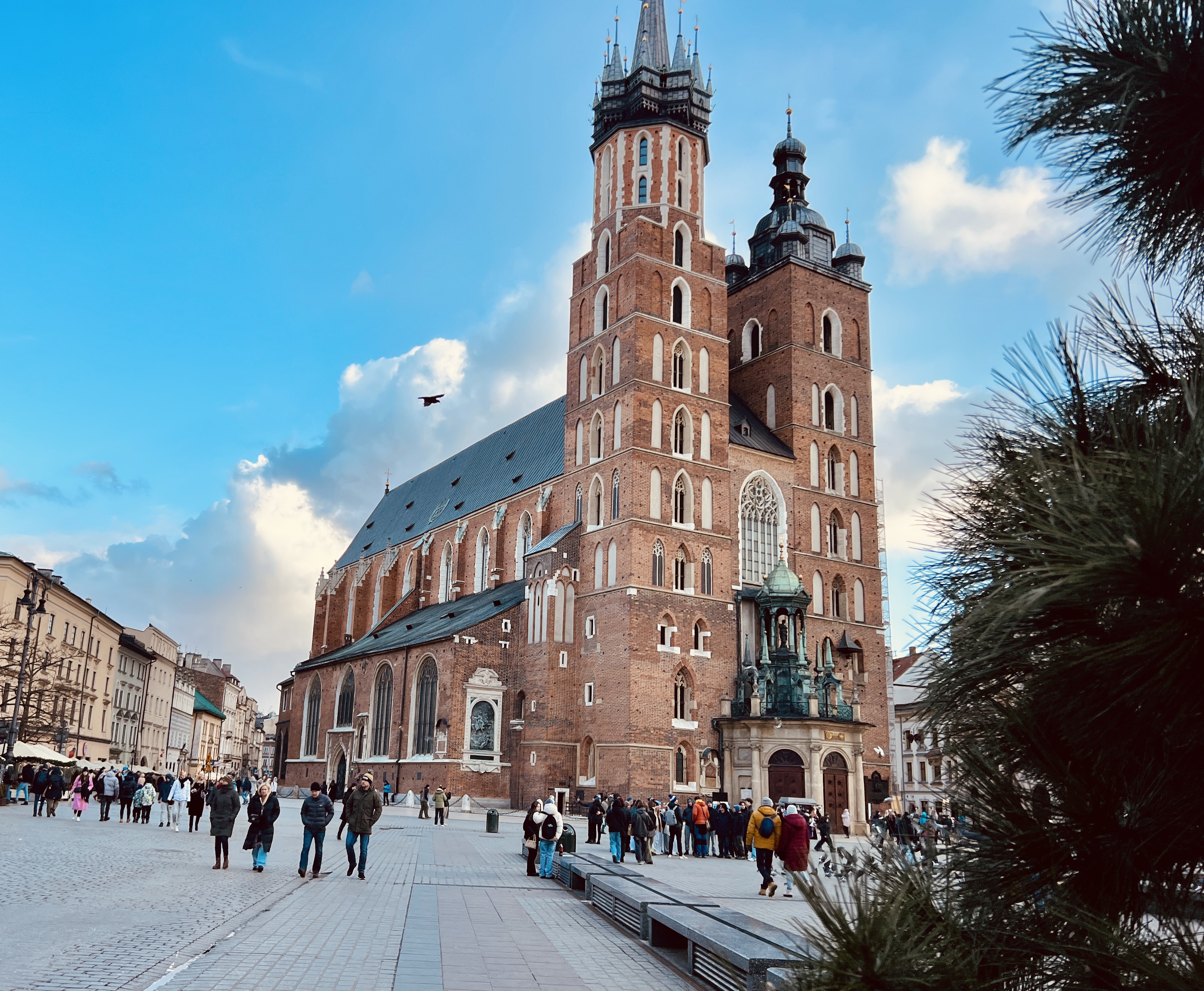
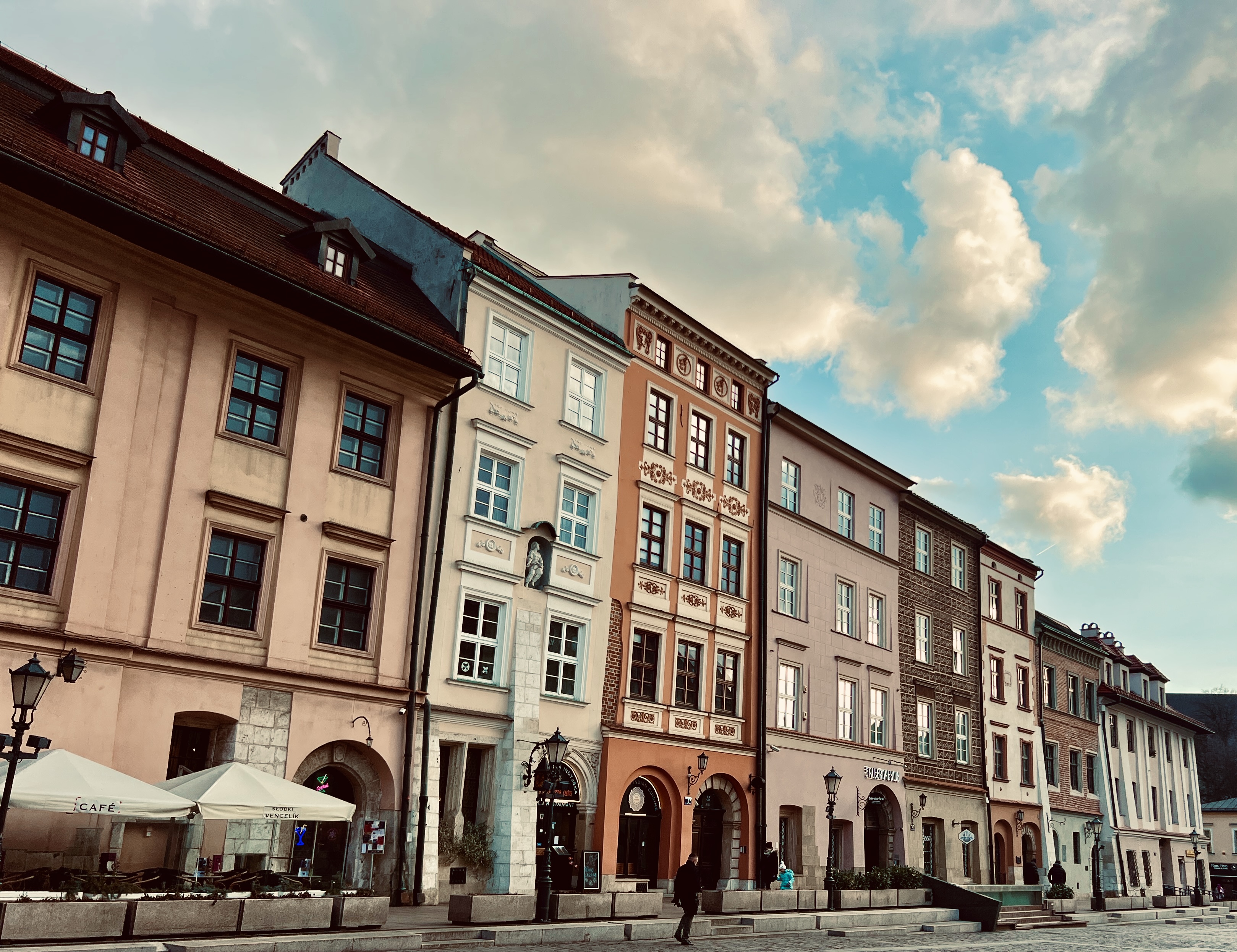
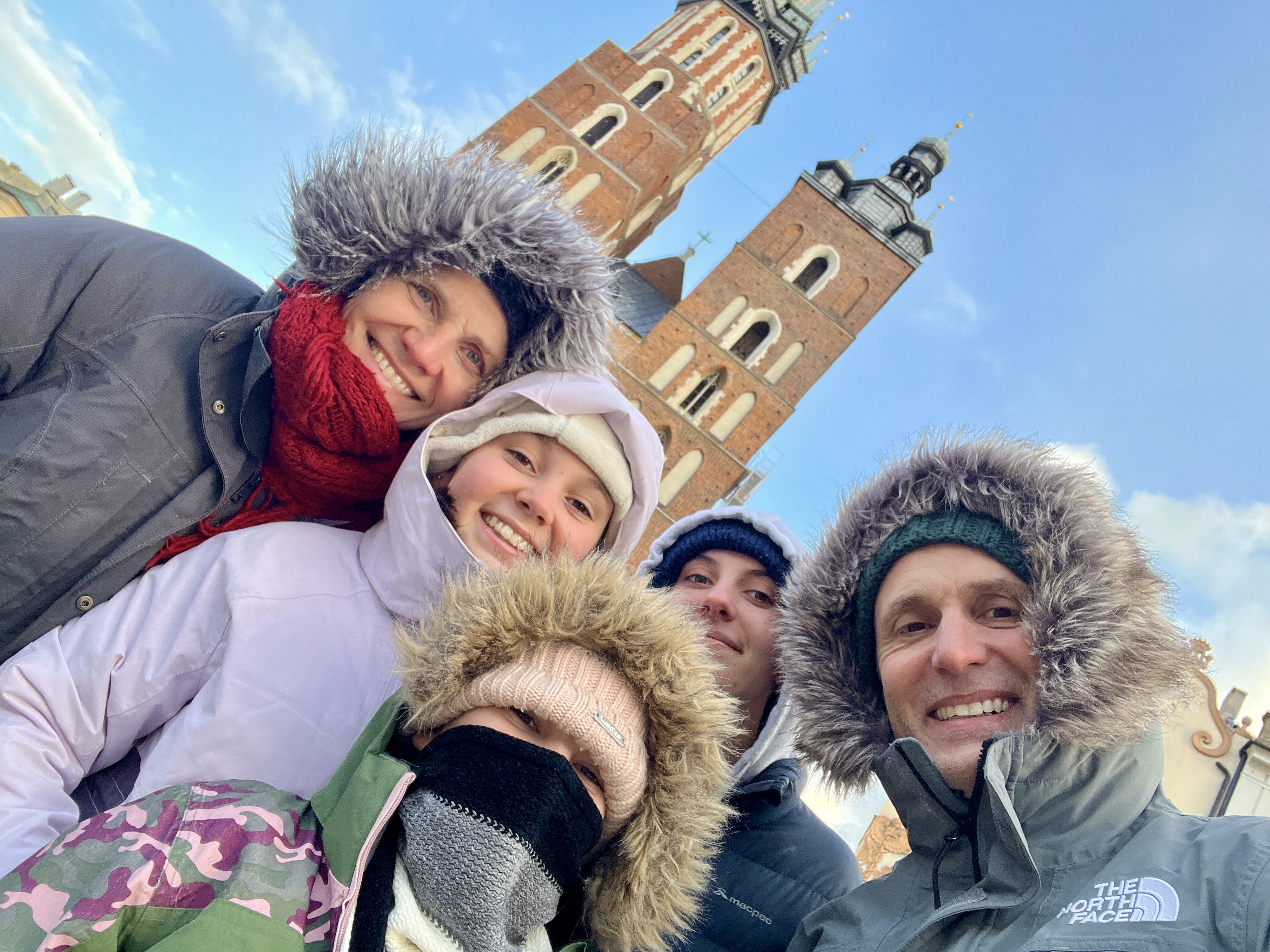
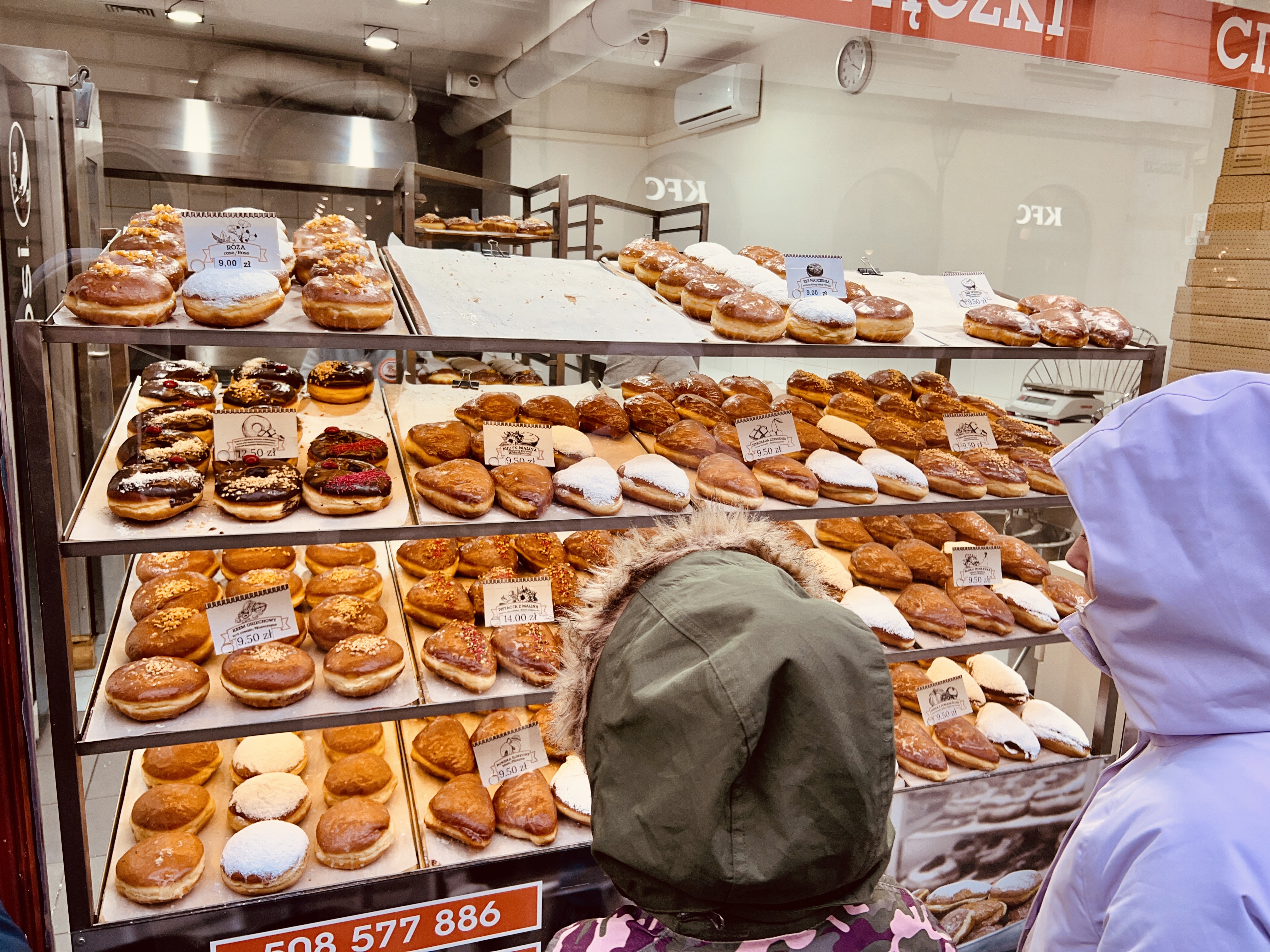
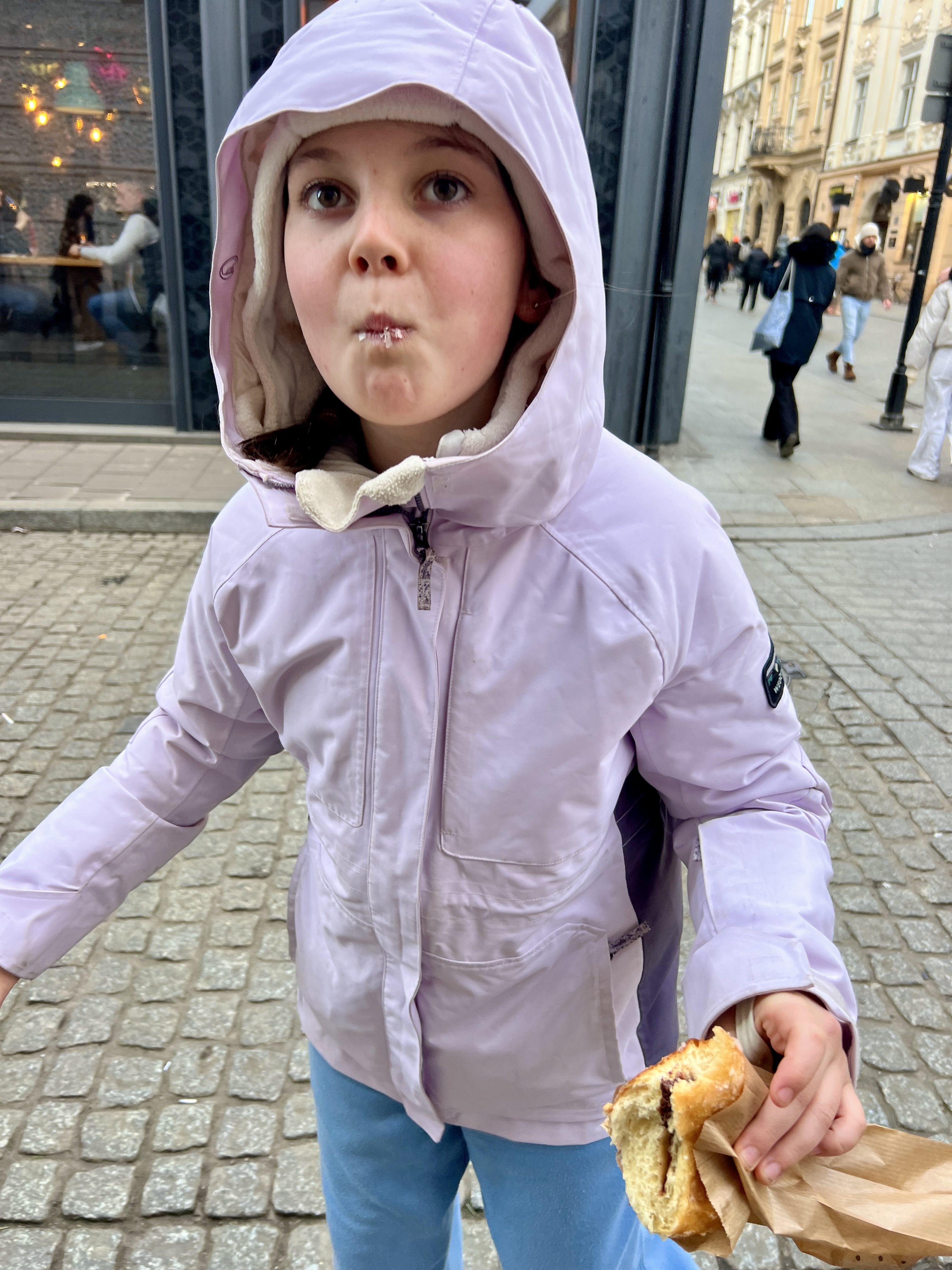
It’s not until you get out of the centre of Krakow, or leave the city altogether, that you start to see the scars of the communist past. Rows of residential towers interspersed with dilapidated blocks are not uncommon outside of the city centre.
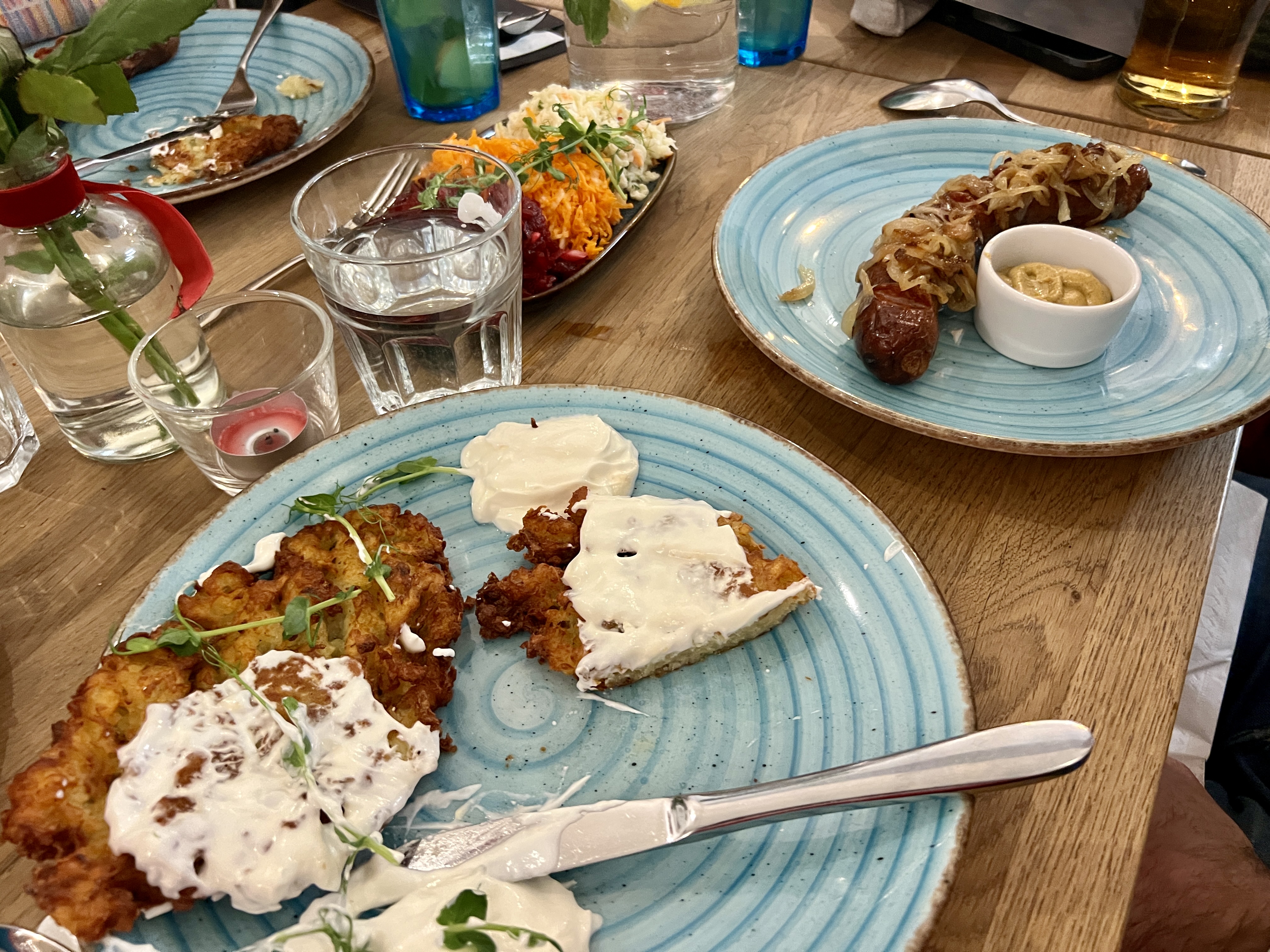
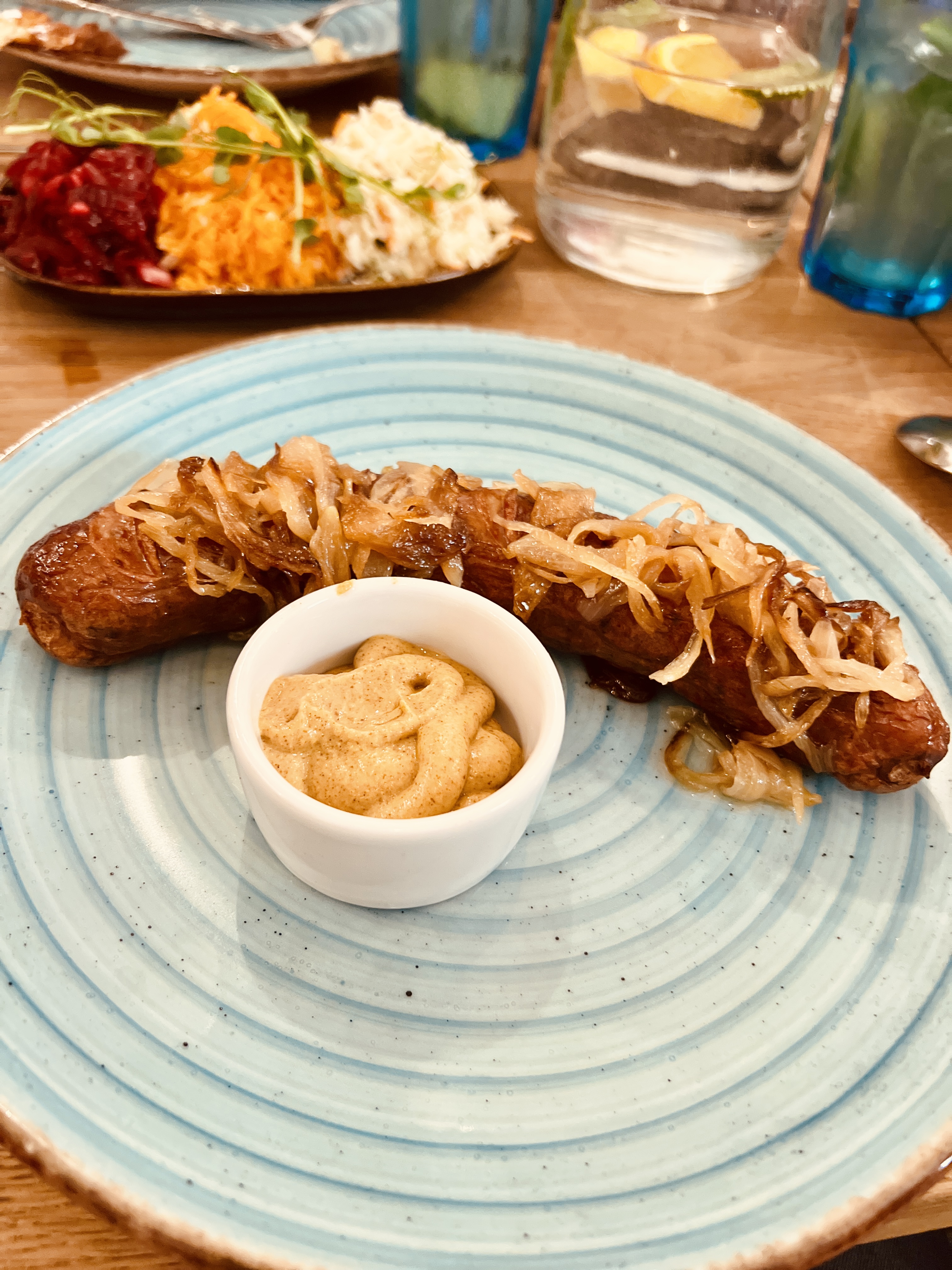
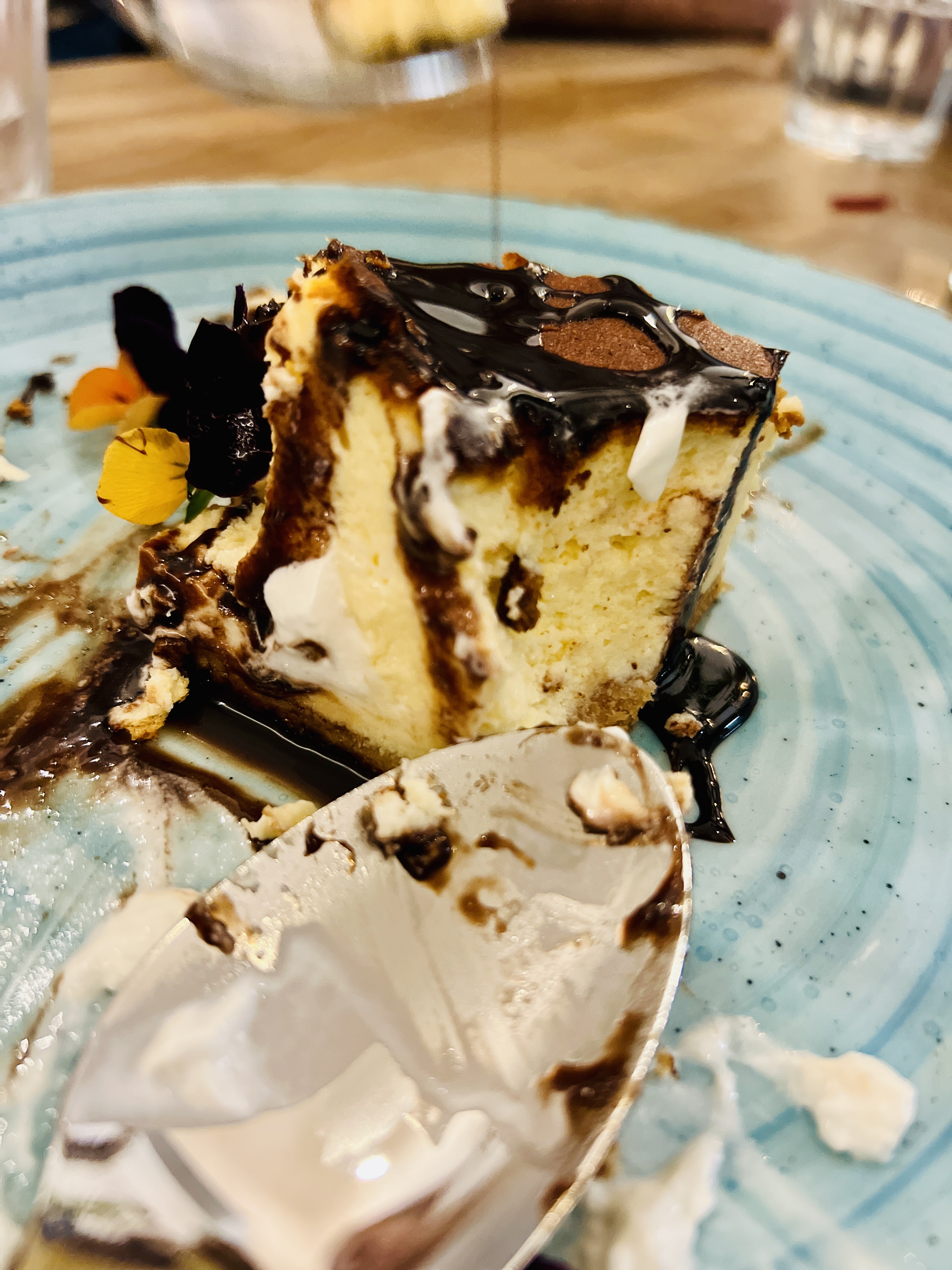
That night we had a great meal at Domowe Przysmaki consisting of latkes, sausage and salad… not to mention the cheesecake.
Our second day in Krakow was spent at the Auschwitz-Birkenau concentration camps. We had debated coming here, not sure if we wanted to expose the kids to so much horror, but ultimately decided that education was the best antidote to the atrocities that were carried out here. That said, we were keen to censor some of the worst bits, particularly from Sienna, but also from Jessie.
We had booked a guide to give us a more detailed history than we could provide ourselves, which included transport. The driver played a video on the one hour drive out to Oszecim, which was probably the most graphic, detailed and distressing history of what happened that we’ve ever seen, complete with videos of the experiments carried out on small children and corpses of babies. 15 mins in we were blasting music into the girls’ ears and literally covering their eyes. So much for the censorship. Half our minds were engulfed in guilt of exposing the kids to such horrific imagery, the other half were busy calculating the lifetime cost of psychologist bills to work through the issues that we were creating.
We were the first people to arrive at Birkenau and we had the place to ourselves for the first 30 mins or so. It was -8 degrees, sunny and perfectly still. The ground was covered in a dusting of snow and frost, so everything was white. It was a far cry from the last time Ant had been here 30 years ago, when it was similarly deserted but a scorching 36 degrees.
Birkenau is immense. There’s no other way of describing it. No other place portrays the sheer scale of the holocaust, or its brutal efficiency. I don’t think it’s possible in 2025 to fully comprehend the scale of what happened.
Unlike Aushwitz I, which was a military facility before the war, Birkenau was explicitly constructed by the Nazis as part of the Final Soution.
They levelled an existing village and build a literal city optimised for the extermination of the Jews (who were some 90% of the 1.3m victims murdered here).
From 1942-1944 Victims arrived in long trains, crammed into cattle trucks from all over Nazi occupied Europe.
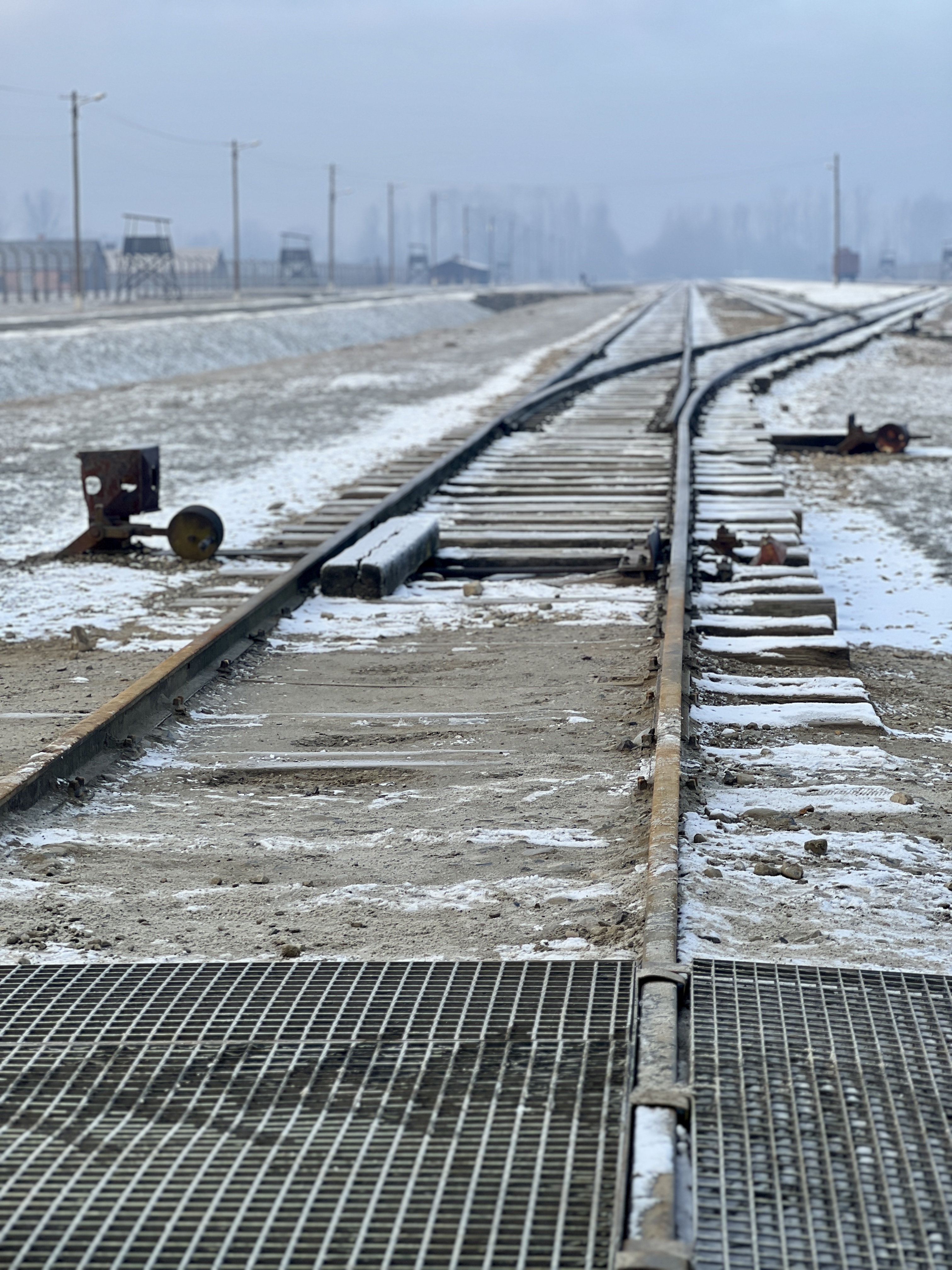
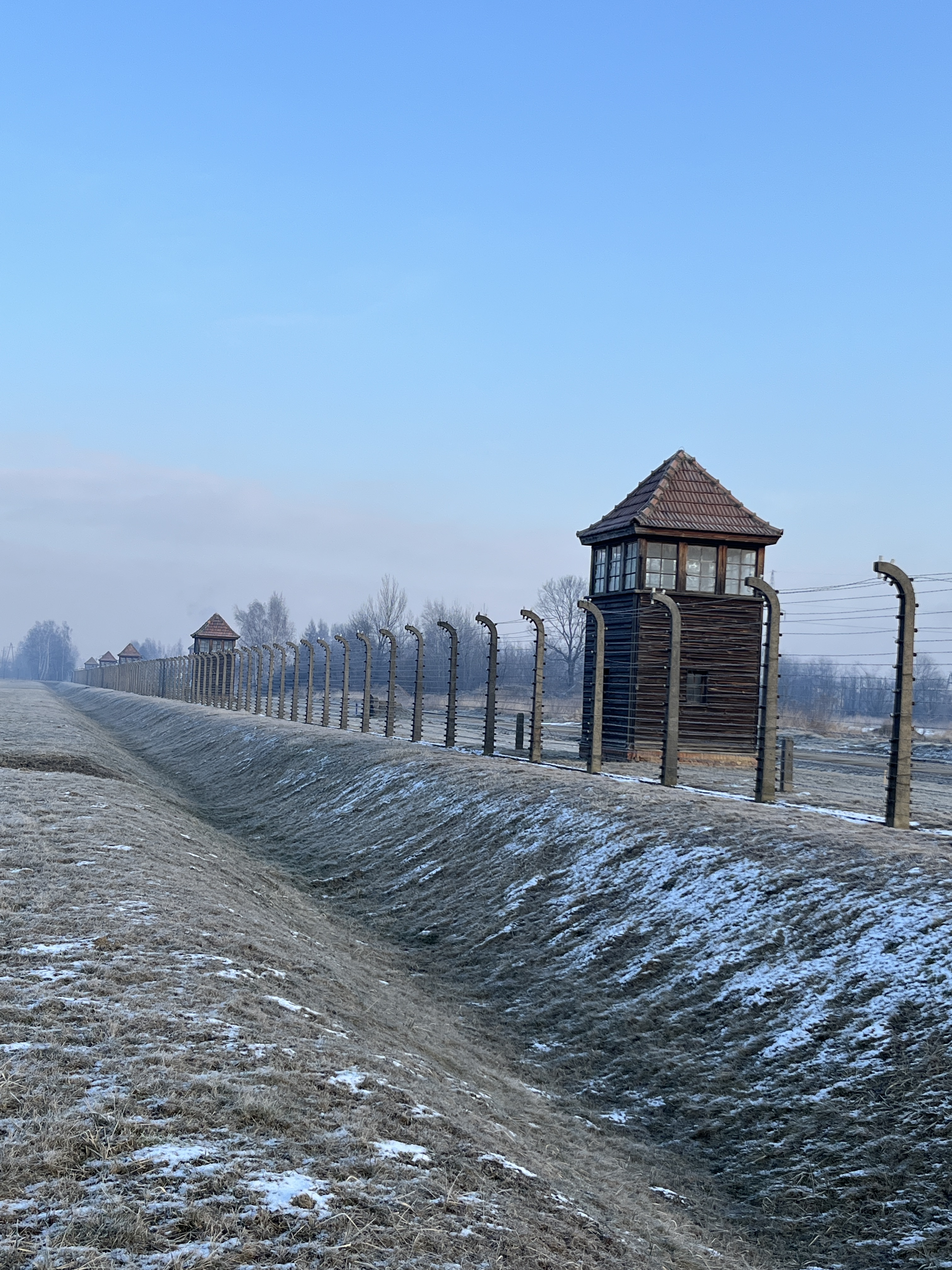
They arrived from deportation camps with 1 bag of their belongings in preparation of being ‘resettled’ from their homes. Ellie and Ant had toured one of these camps outside of Aix a few years ago, and they were horrific enough. Journeys often took 7-10 days in crammed cars with no food, water or toilets. Many died en route.
Arriving in Birkenau, the trains went under the infamous watchtower and stopped behind the electrified barbed wire fences interspersed with sentry points and ditches dug by prisoners.
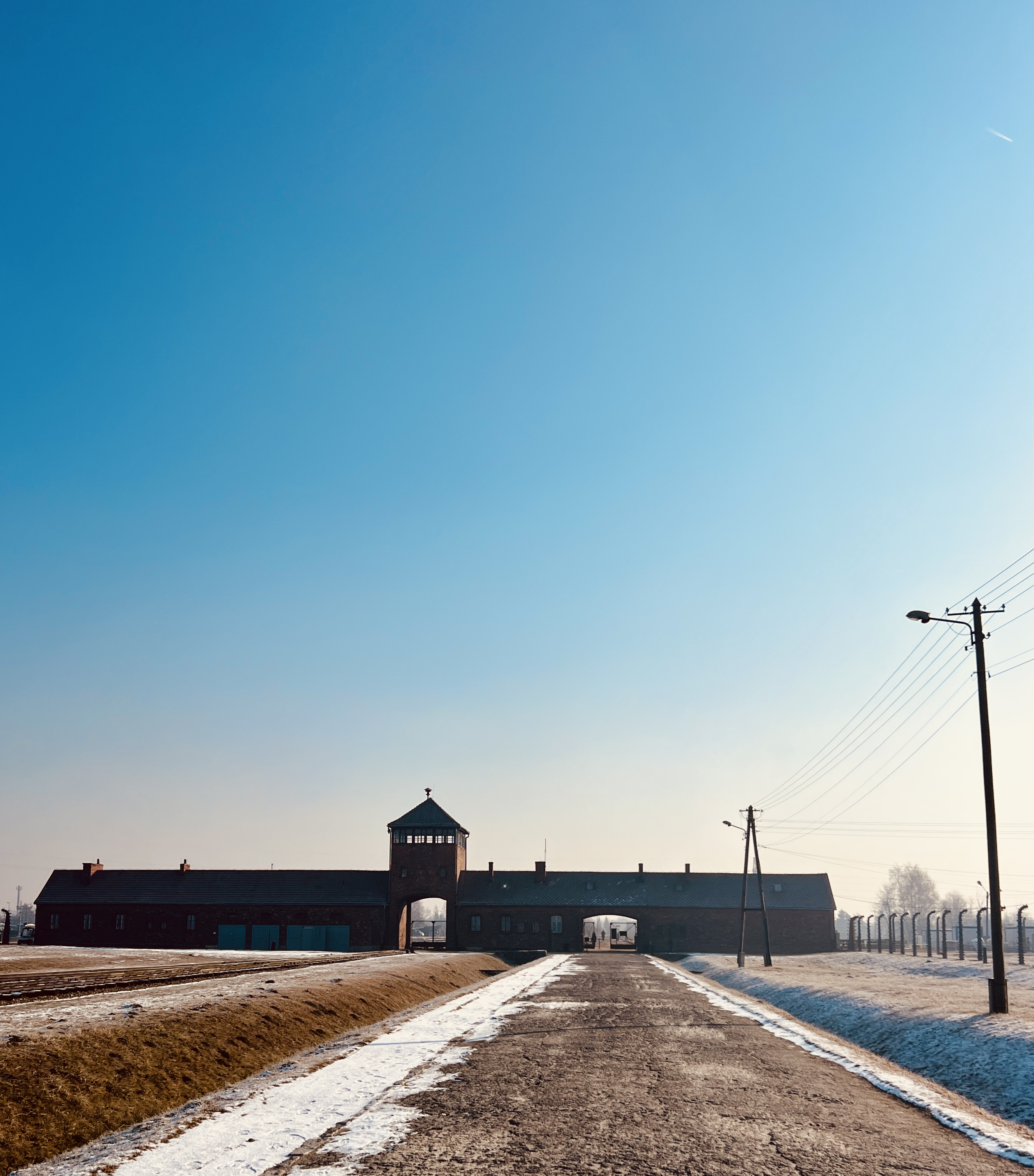
The trains stopped at the platform were the victims were sorted by waiting SS doctors.
Those deemed ‘fit to work’ – some 25% – were moved to the right. They were showered, shaved, registered, tattooed, put in prison grab and moved into the camp to be put to work. Life expectancy was 3 months, until the freezing cold, rampant disease our overwork took them.
Everyone else went to the left. A million of them. They weren’t even registered. They were just sent straight to the gas chambers some 400m down the line and then the crematoria.
The brutal efficiency of the system is gobsmacking, the whole place optimised to kill and dispose of as many people as possible in the shortest time, whilst also profiting from them – from their hair, their gold teeth, their belongings. Nothing went to waste, all went to line Nazi pockets and service the war machine.
There is no question that the place is haunted. It is not possible to understand the sheer scale of what happened. The sheer numbers.
But looking across the camp, with rows upon rows of chimneys, each representing a flimsy wooden hut which housed up to 500 prisoners in horrid conditions, you start to get an idea. The stone chimneys literally stretch as far as the eye can see across the dead flat plain. Only a handful have been reconstructed to show the squalid living conditions – the rows of bunks that housed by to 20 prisoners in 3 levels, the toilet blocks with lines of holes and no actual sanitation.
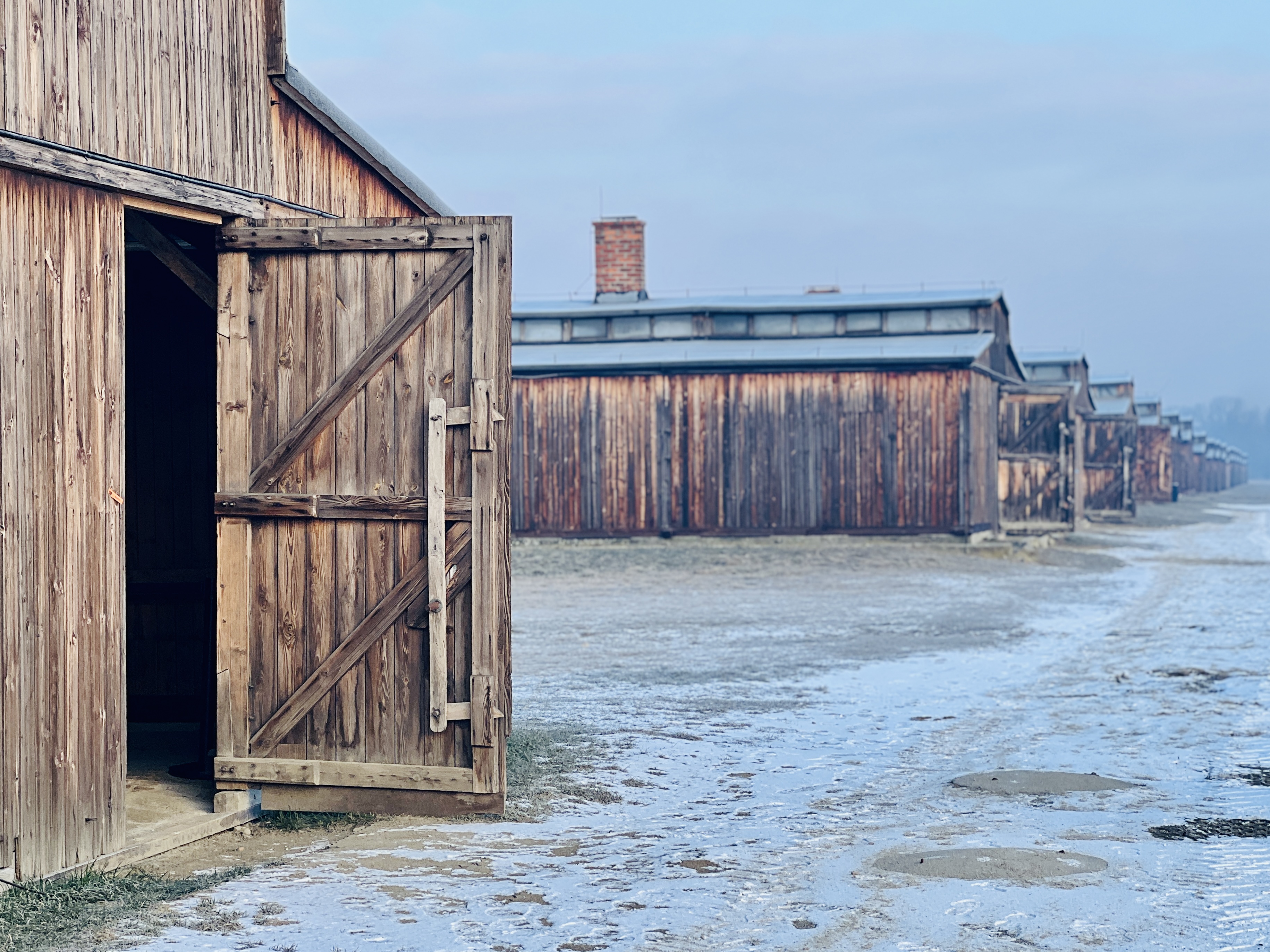
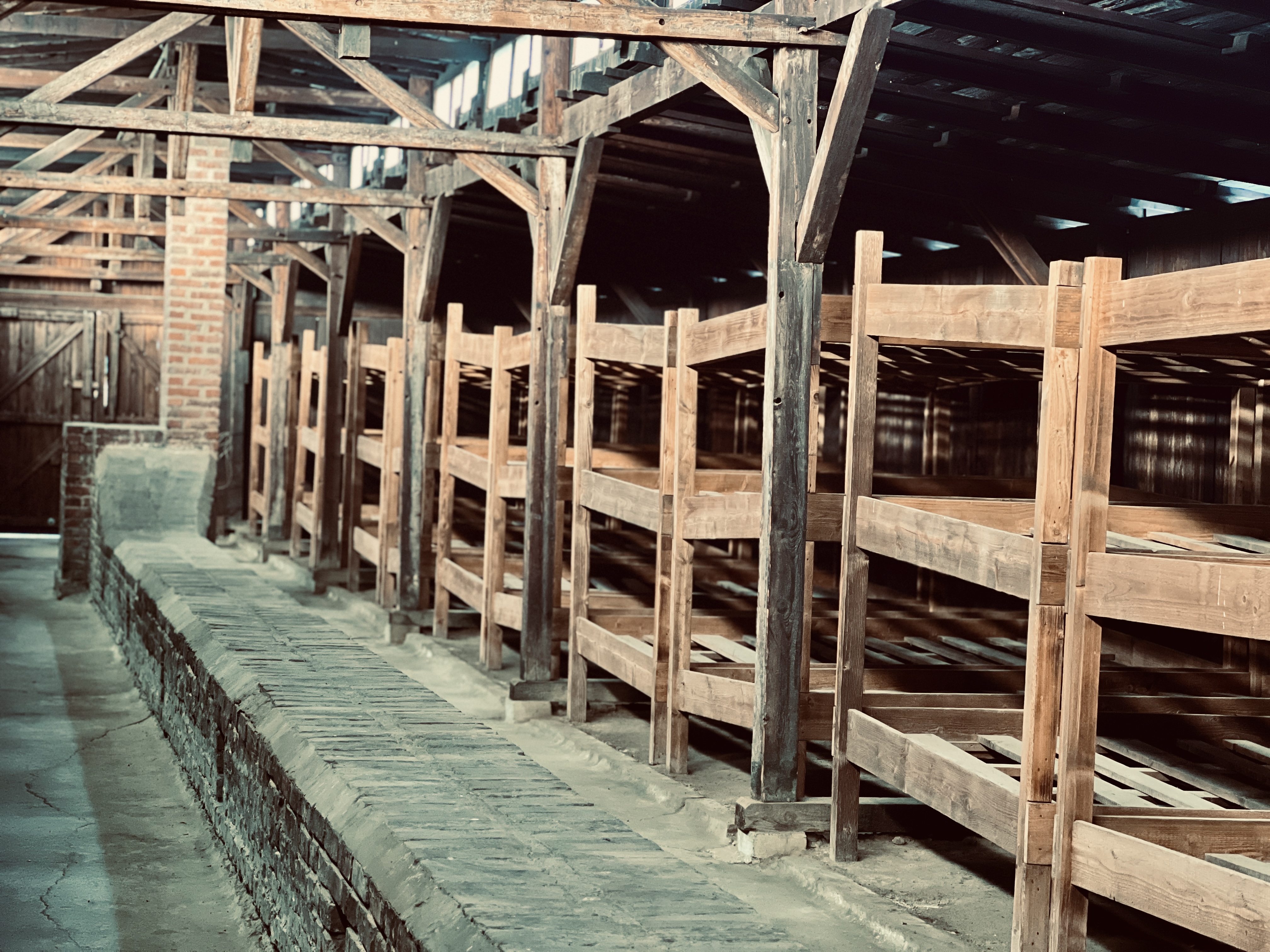
We walked along the barbed wire fence line between the sentry posts, the icy ground crunching beneath our feet, but otherwise warm beneath our thick down jackets, thermals and winter boots. We imagined what it would be like being put to work in prisoner outfits – no more than pyjamas – in similar conditions.
We walked around the barracks, and down the train line to the sorting station, on to the ruins of the gas chambers and crematoria, destroyed by the Nazis in an attempt to cover their tracks.
We had long discussions about how this could happen. The biggest companies in Germany and the best engineers were responsible for the design and build of the camp, including the testing and ‘continuous improvement’ to make it a more efficient death camp. Hugo Boss made the SS uniforms. Volkswagen and BASF were involved in construction and logistics. World War II was a ‘total war’.
It is not possible to believe that ’people’ did not know. They must have. So how did it happen? Was it that they were ‘evil’ – as one of the girls initially suggested? Or is it more nuanced?
We talked a lot about the events that led to the rise of Hitler and WWII. We talked about the threats and coercion that was rampant in Nazi Germany. We asked ourselves what we would have done. We paralleled what was happening around the world today with Germany in the 1930s.
You could see the cogs turning in their minds as they pondered. It was one of those conversations that makes the trip worthwhile (not that we need reason, to be fair).
We left Birkenau just as the tour groups were arriving. Literally hundreds of them braving the cold weather to explore the camp. We were grateful to have been there first; it would be a very different experience sharing this with so many others.
Arriving in Auscwitz I – the main museum and memorial – we hit the crowds. Literally thousands of them.
If Birkenau is the forest, showing the scale of the entire extermination operation, Auschwitz offers a glimpse of the wood and individual trees. It attempts to bring both individuality and scale to something that is beyond our comprehension.
It also requires a bit less imagination than Birkenau. Once you go under the ‘Abeitet Macht Frei’ sign and past the electrified barbed wire fence it is entirely restored – comprising perfectly straight, tree lined streets of red brick buildings, interspersed with gallows and the first gas chamber and crematoria.
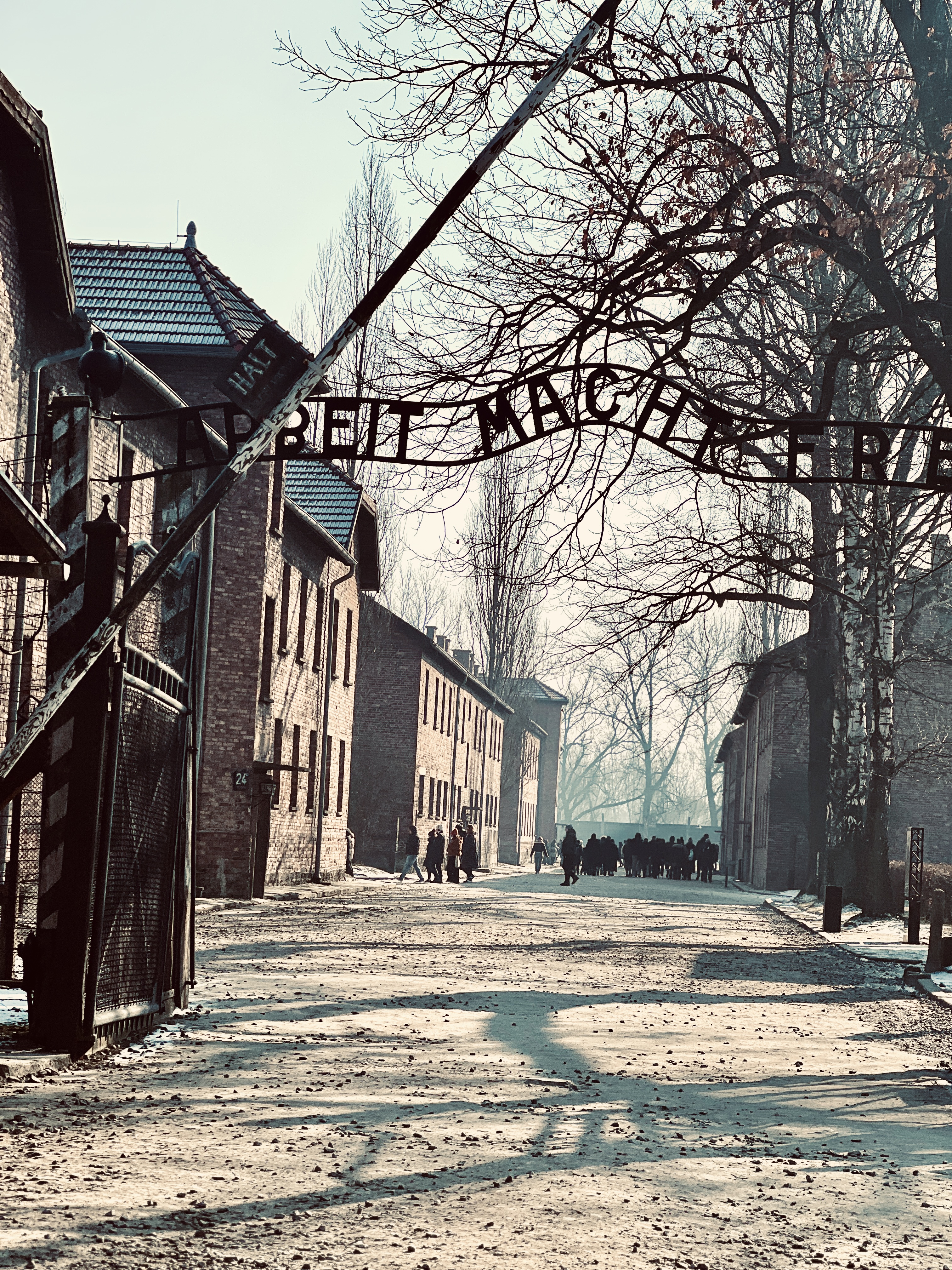
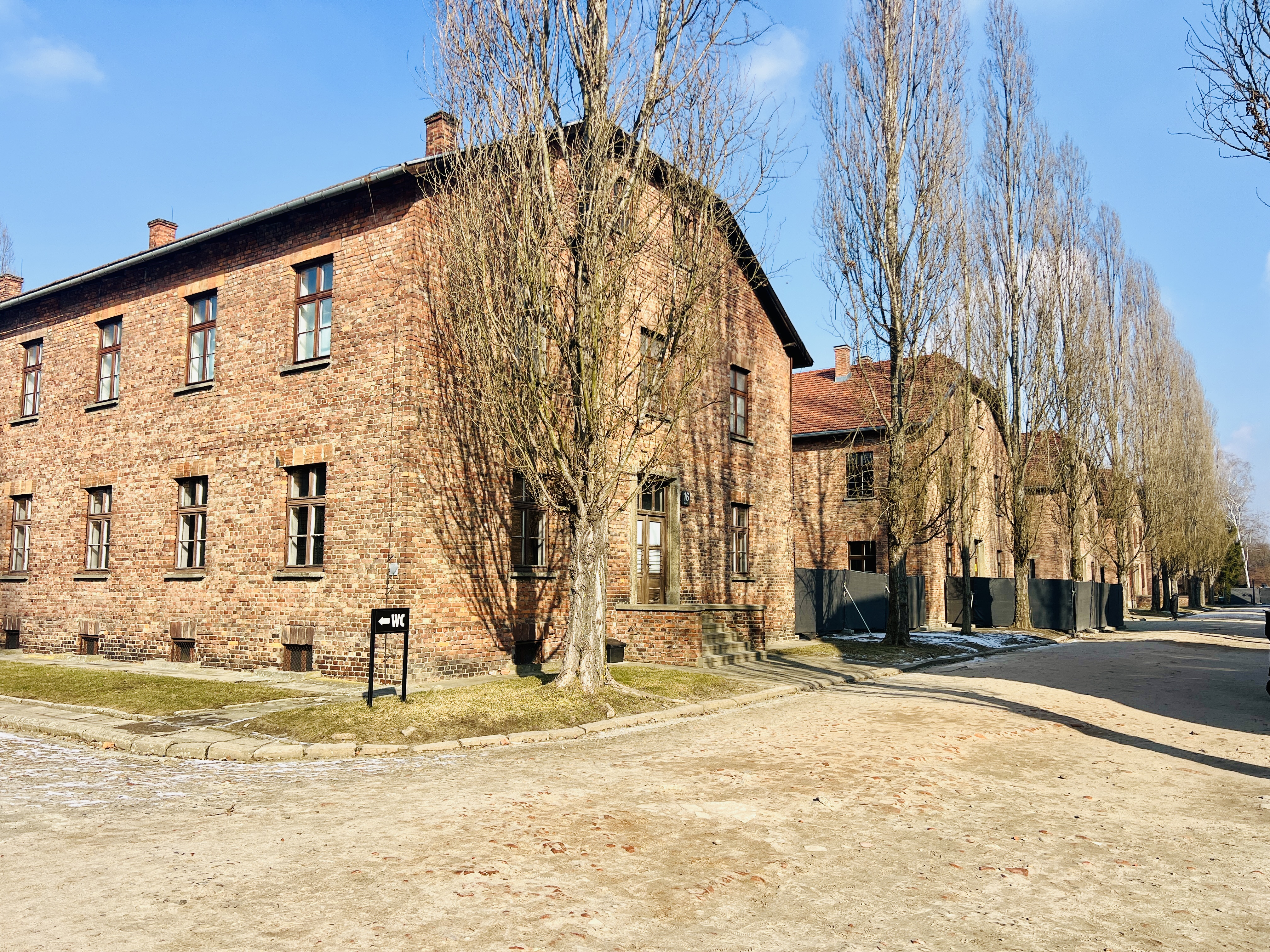
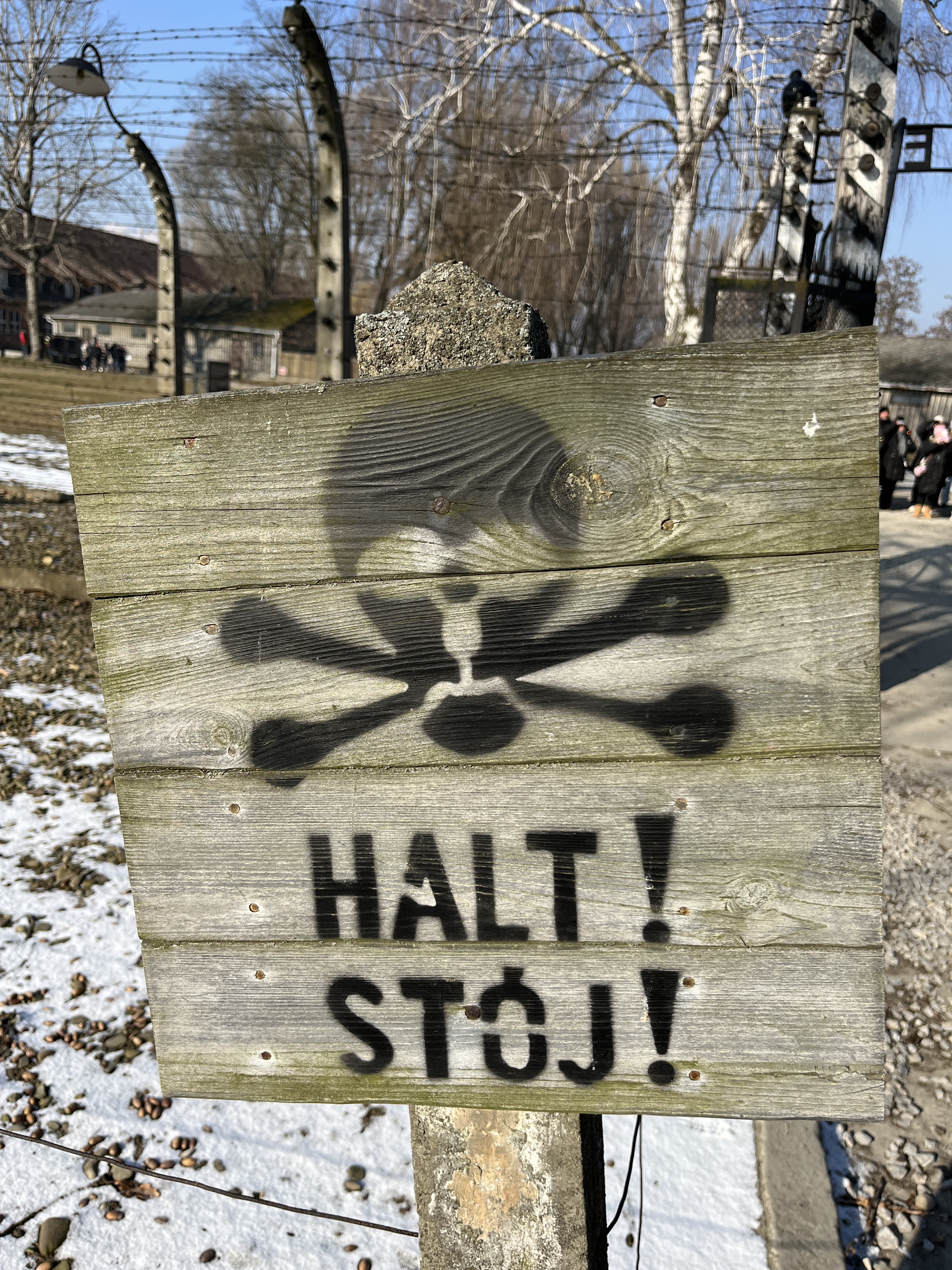
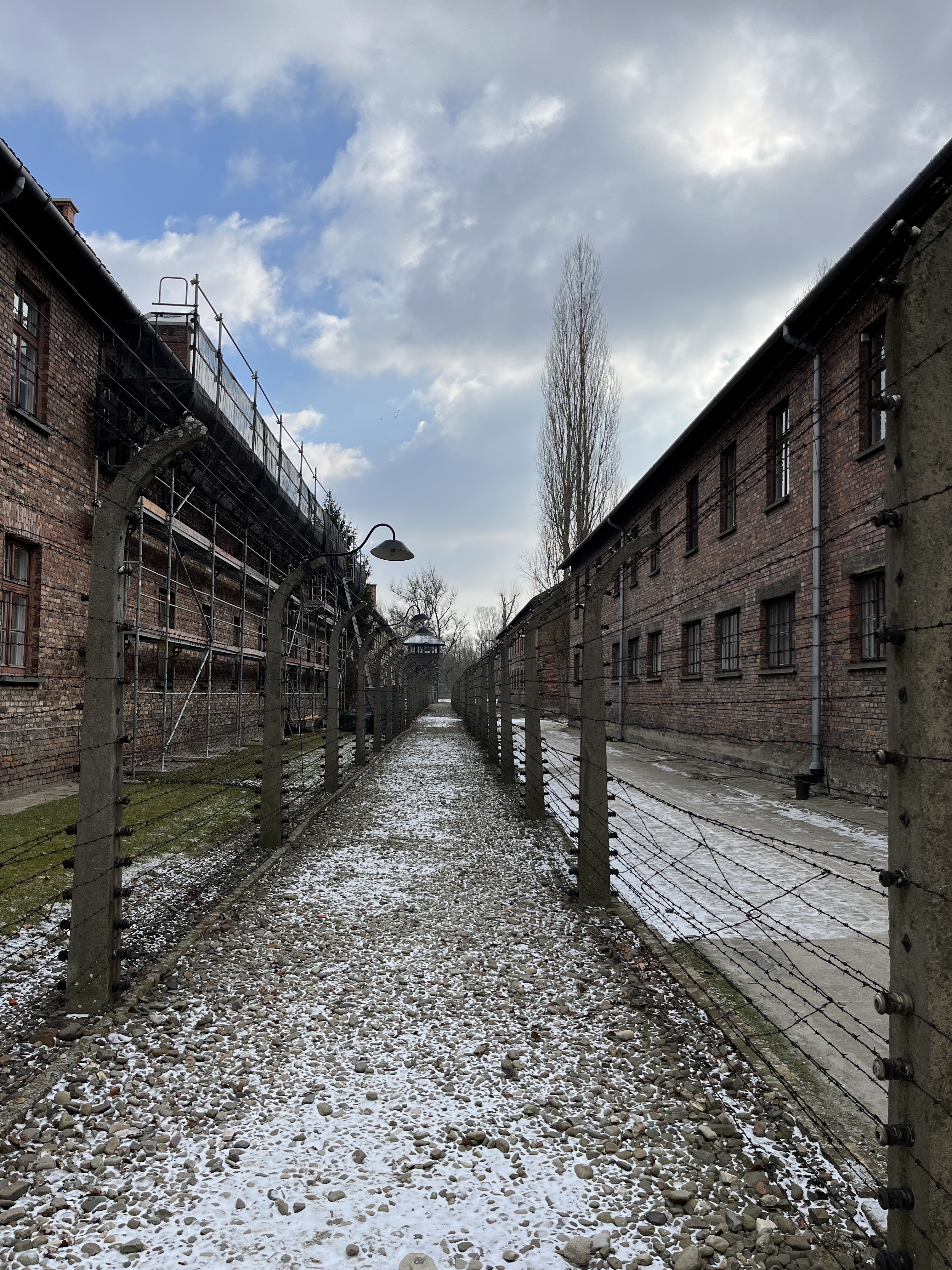
Many of the exhibits are both confronting and horrific – photos of victims, mountains of hair, of glasses, of suitcases and shoes. We found ourselves opting out of some of them, not wanting to subject the kids to the worst of what was there.
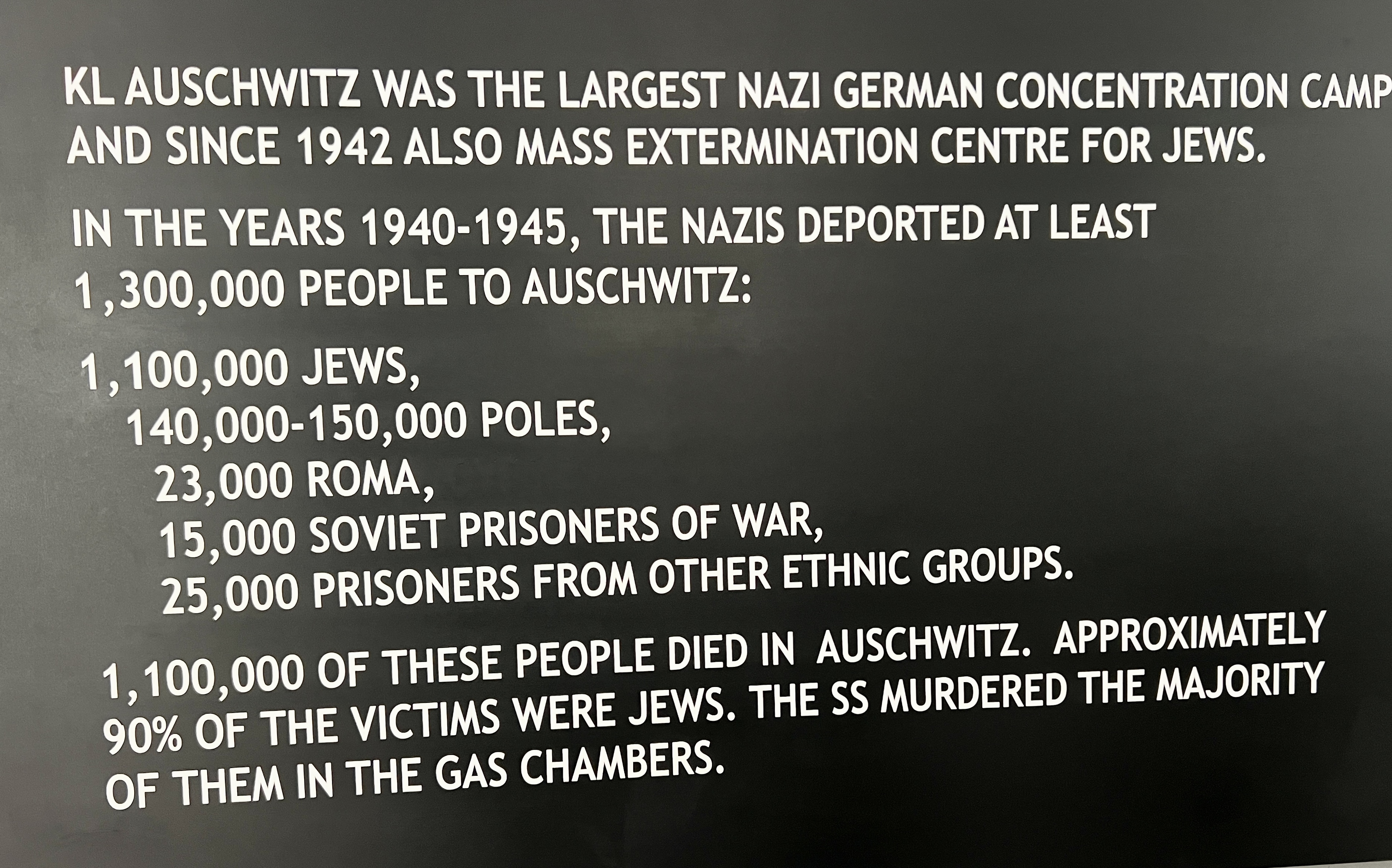
Overall Auschwitz feels like more of a musuem whereas Birkenau is more of a memorial.
Fair to say that the bus ride back was pretty quiet. Thankfully there were no more educational videos to avoid.
It’s hard to find the right words to describe the experience of going to Auschwitz. It is confronting and horrific, but feels oddly appropriate and respectful as well. The worst thing we could do is forget. Better that we learn about what happened and what caused it and never walk past it again.
Fair to say the kids were trashed when we got back to Krakow, so we let them decompress a bit and process for the rest of the afternoon.
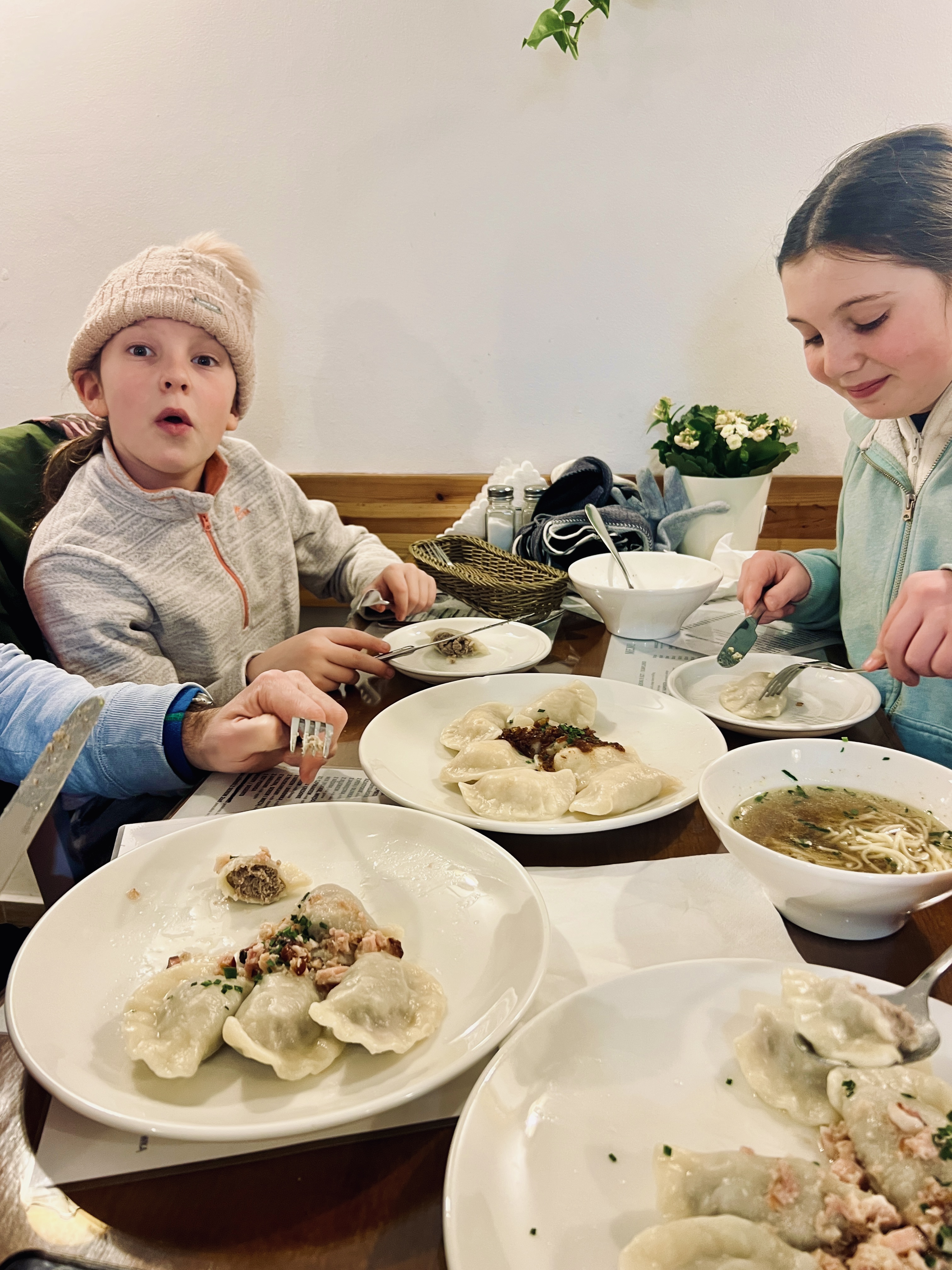
That evening, after a very average dinner (note to self: verify online recommendations) of beef pierogi that smelt (and tasted) like tuna….
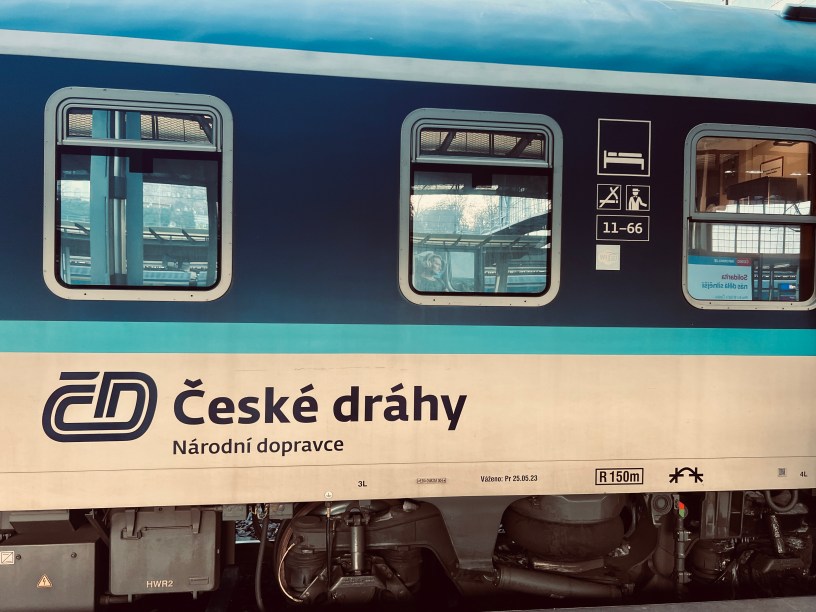
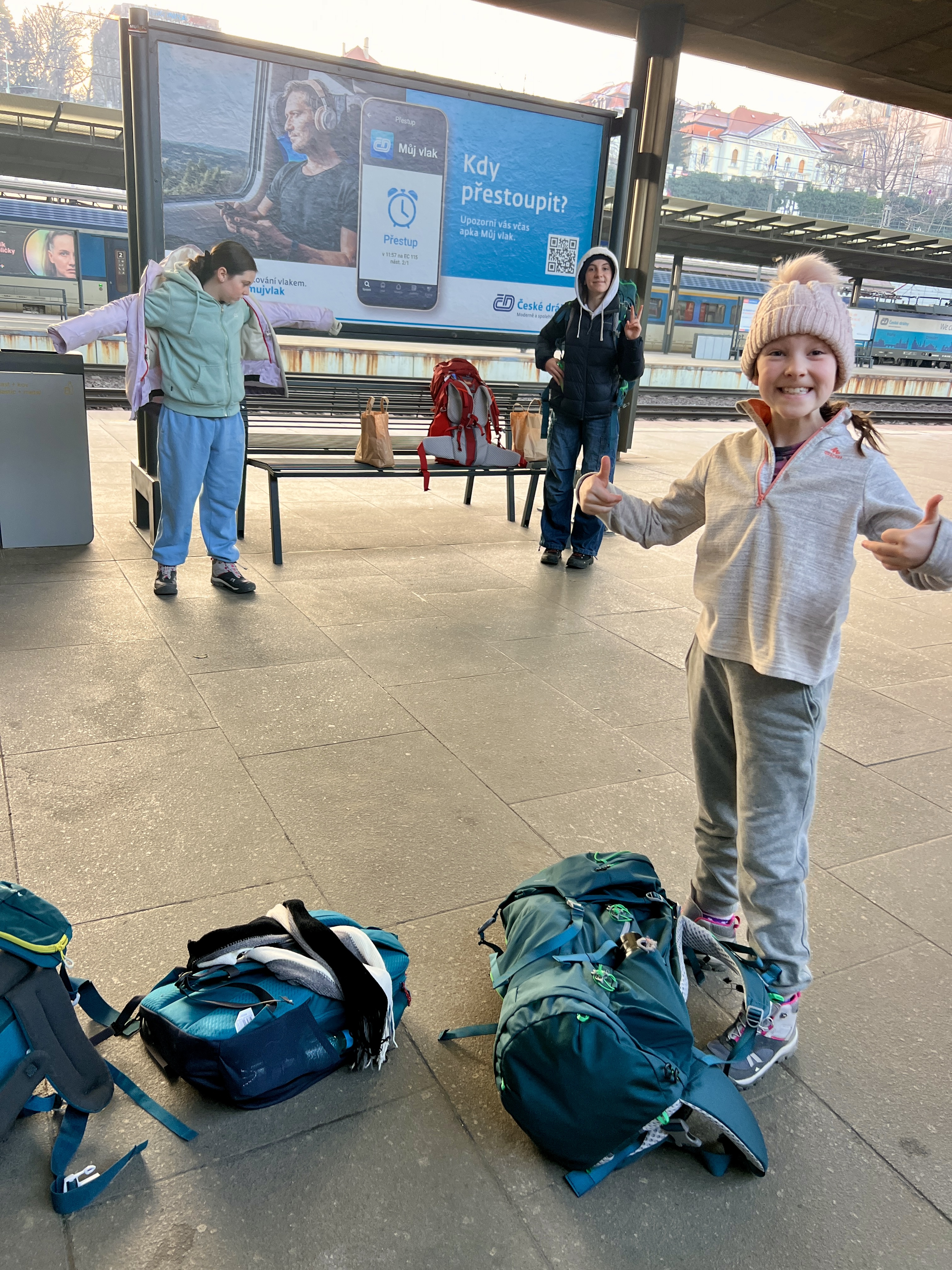
we donned our backpacks and made our way back to the very shiny train station for our night train to Prague.
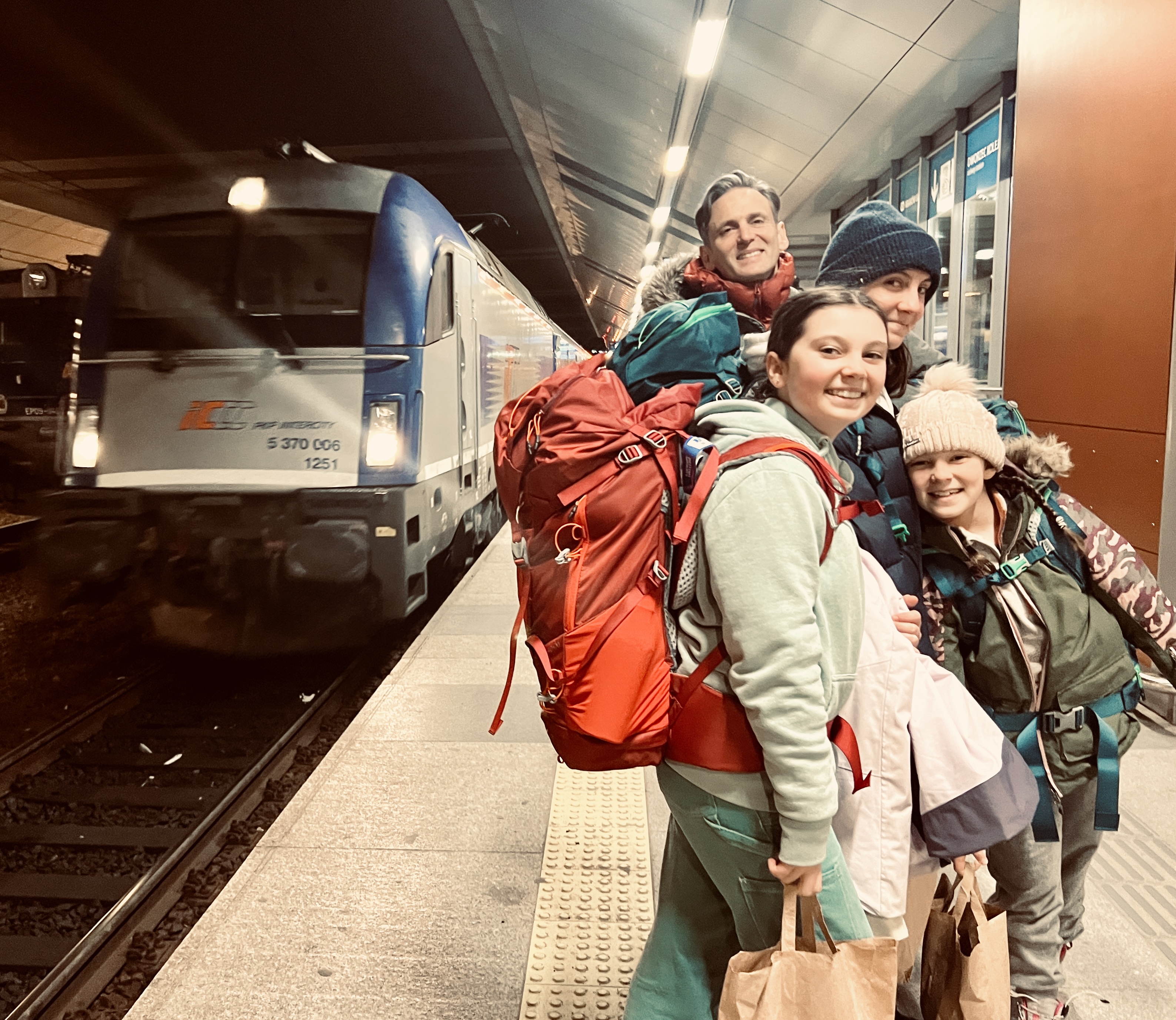
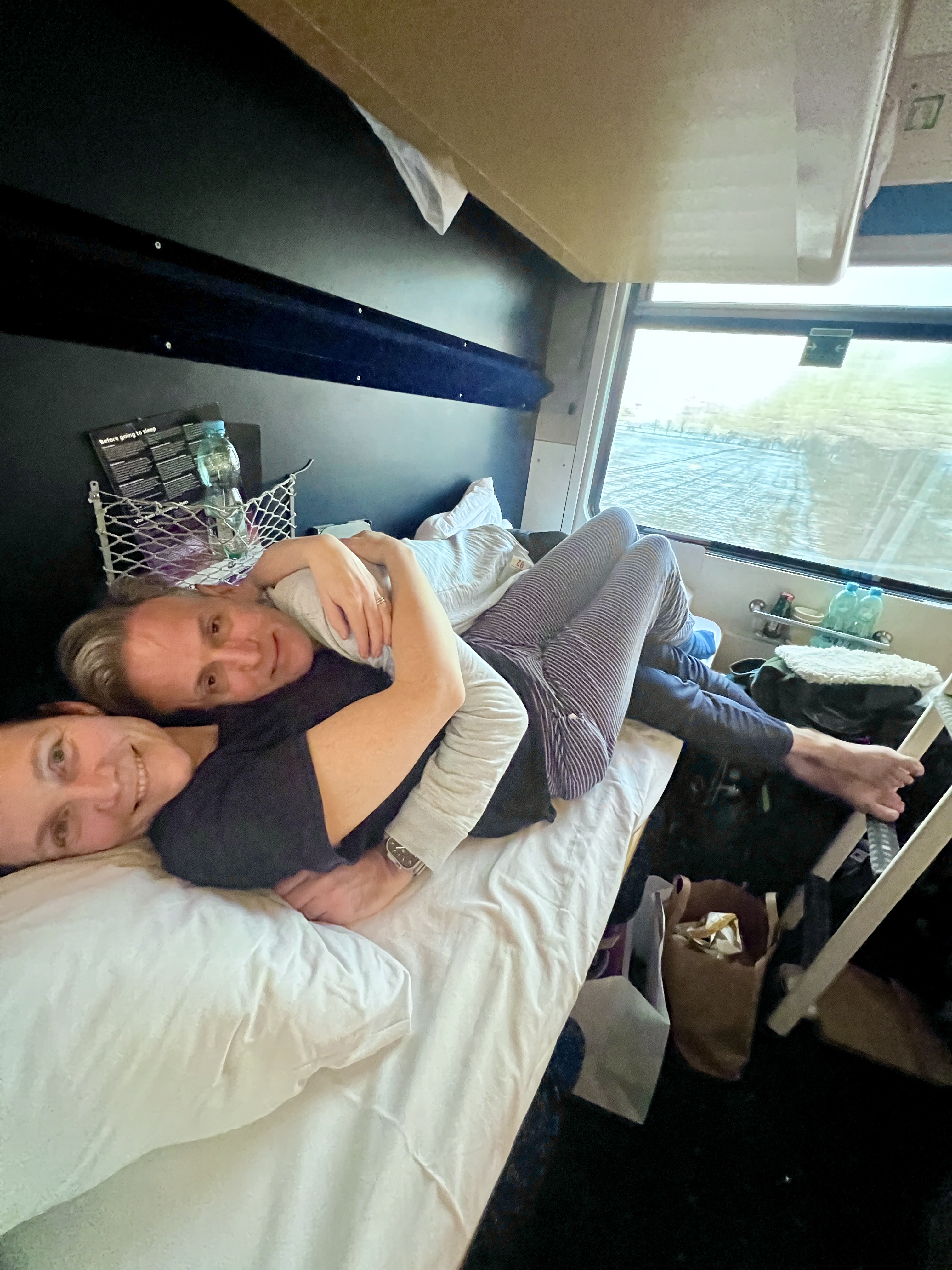
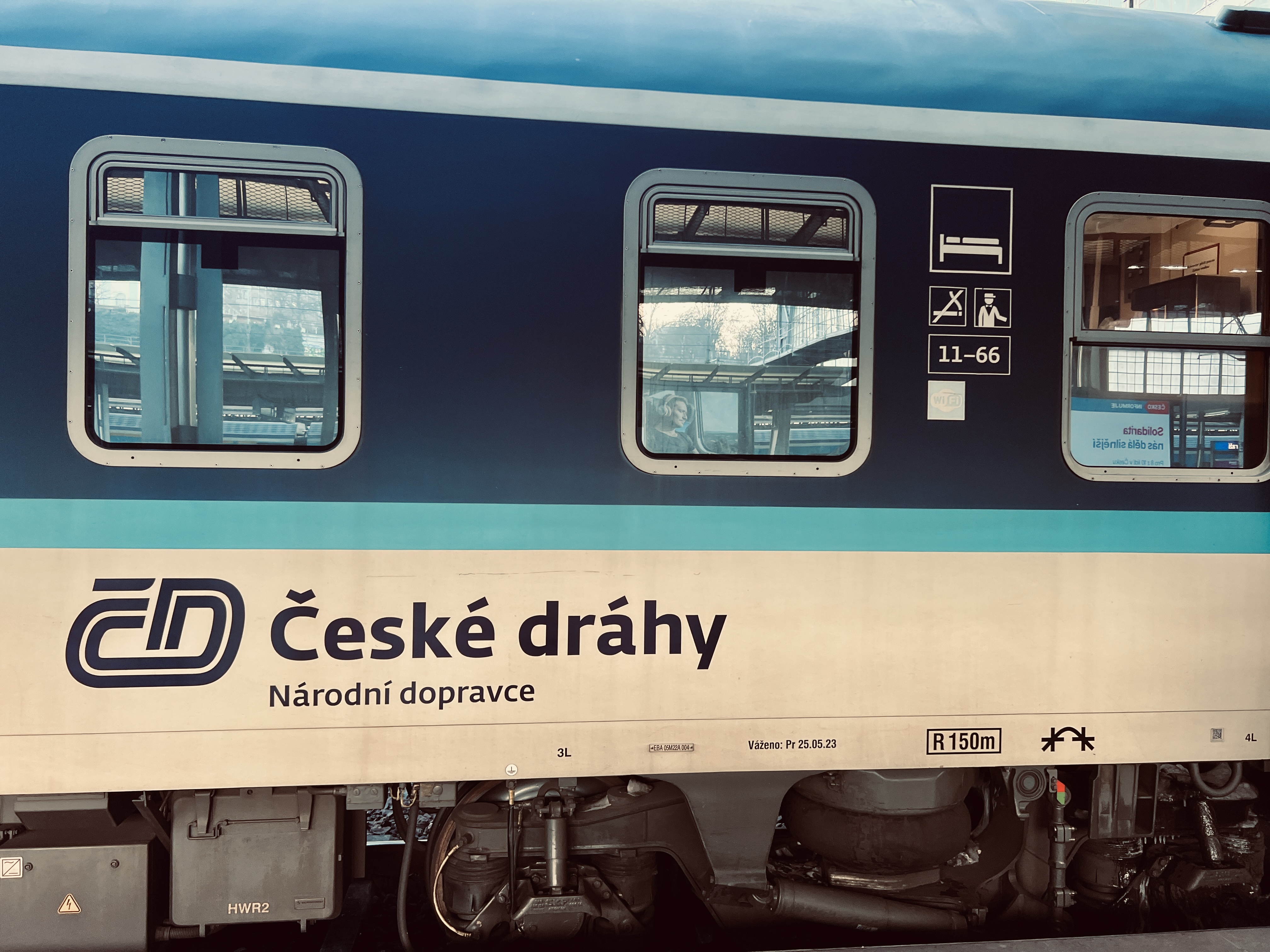
Fair to say we were very excited about this. We had splurged for 1st class, and were travelling in 2 separate couchettes for the 8 hour journey.
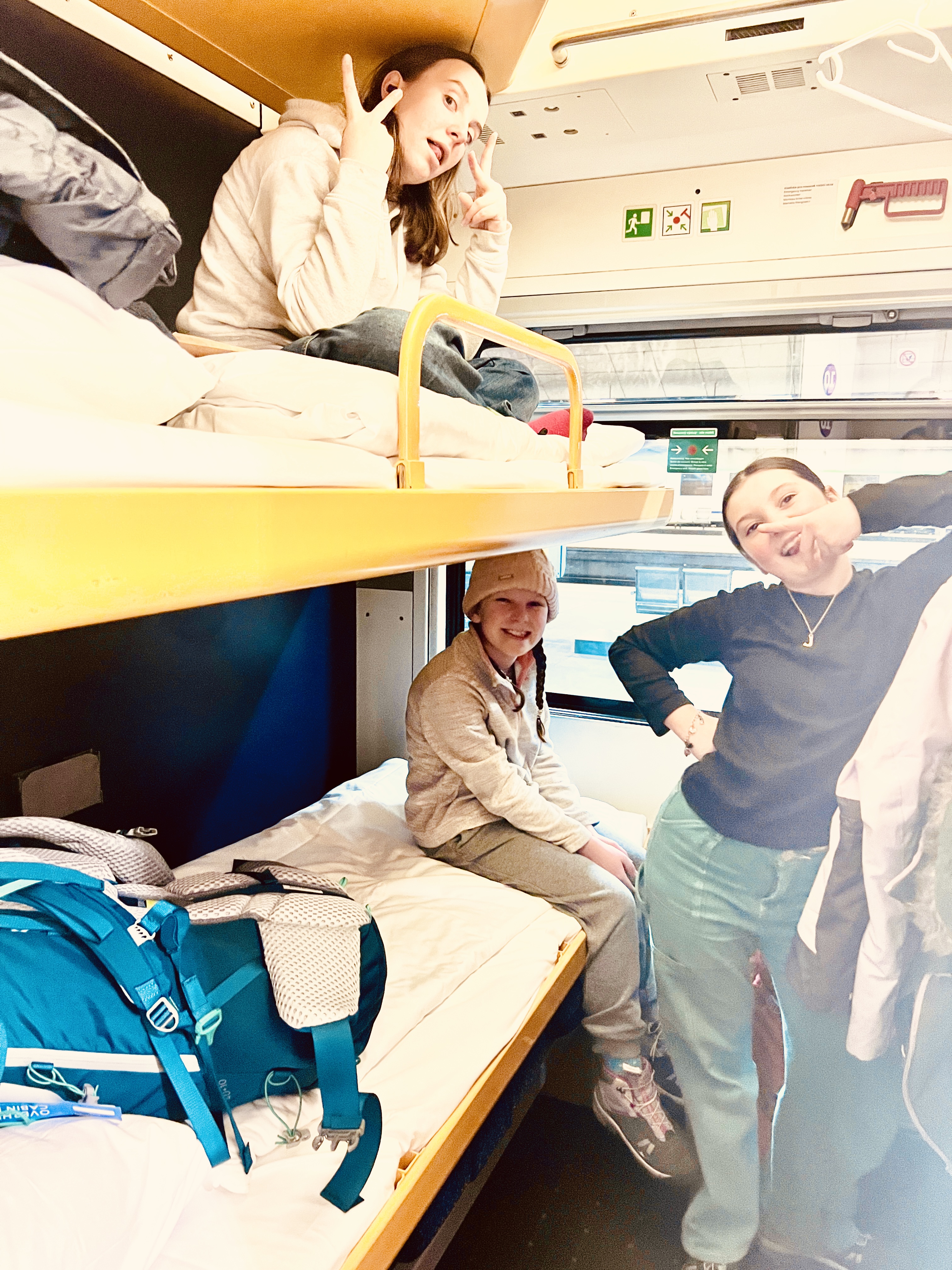
Who doesn’t love a train journey, particularly a night train?
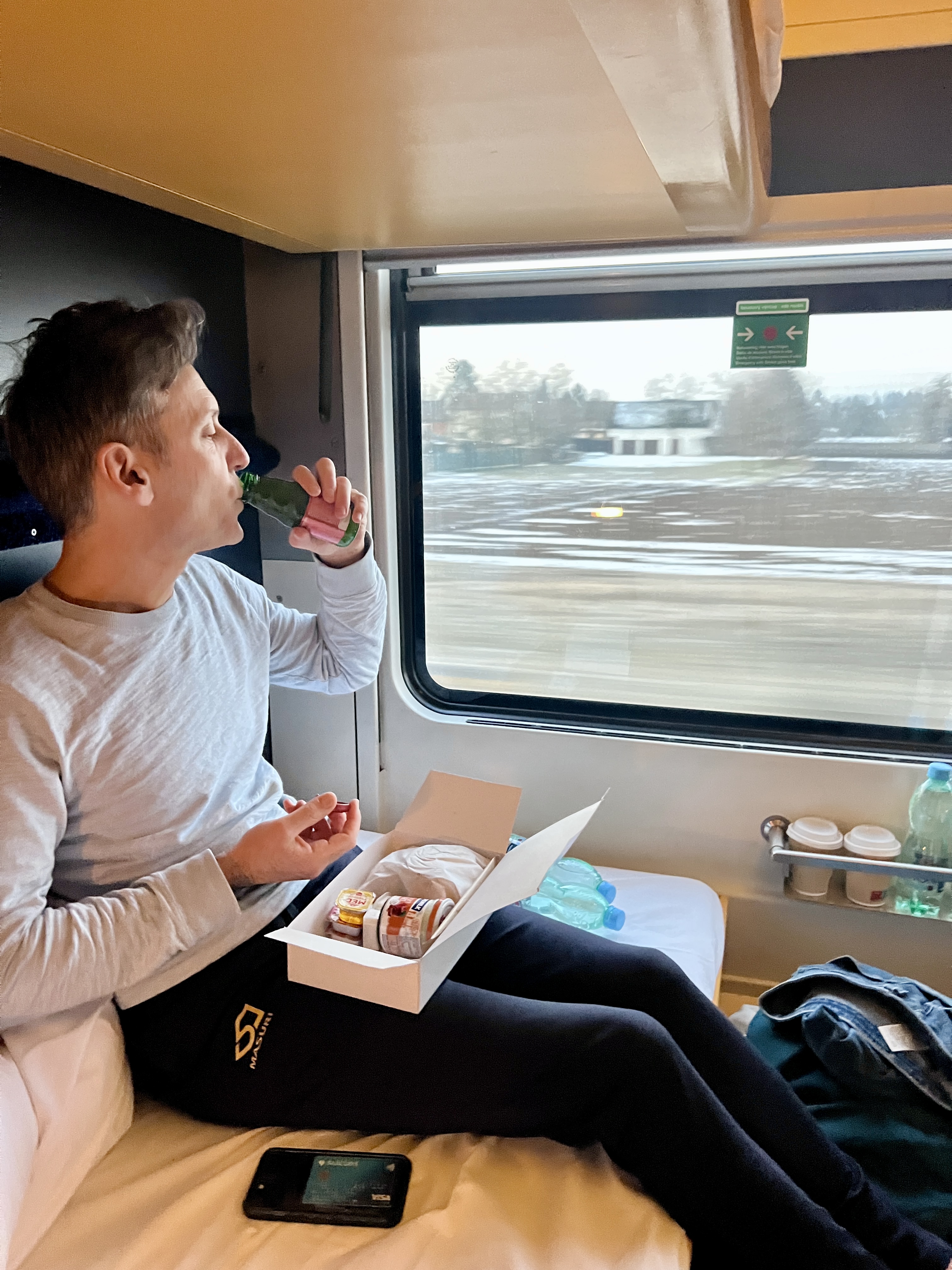
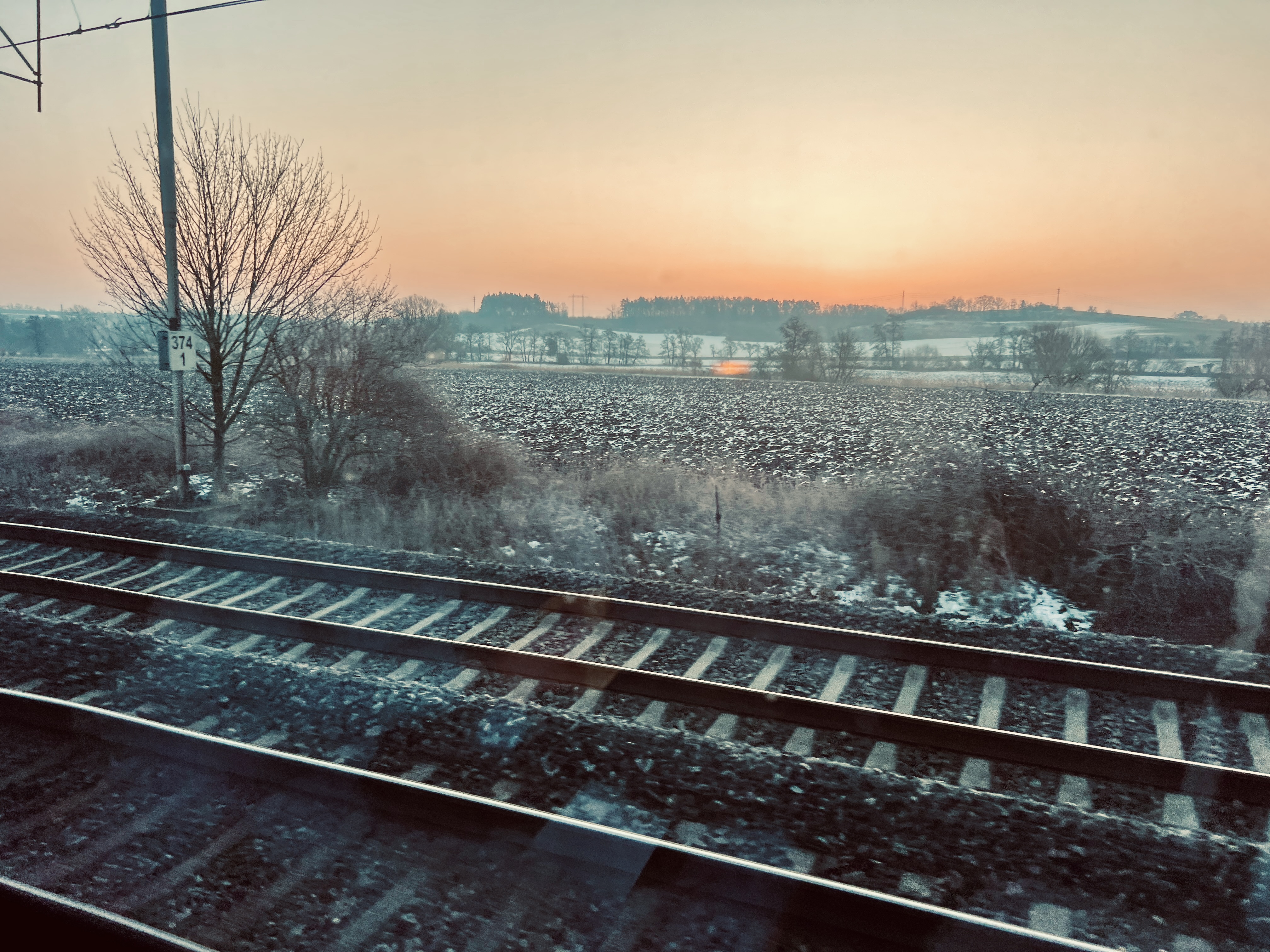
It didn’t disappoint. We spent the night watching the full moon over the frozen landscape as we cruised across Poland into the Czech Republic, arriving into Prague for breakfast. All very civilised – it’s such an awesome way to travel.
Prague
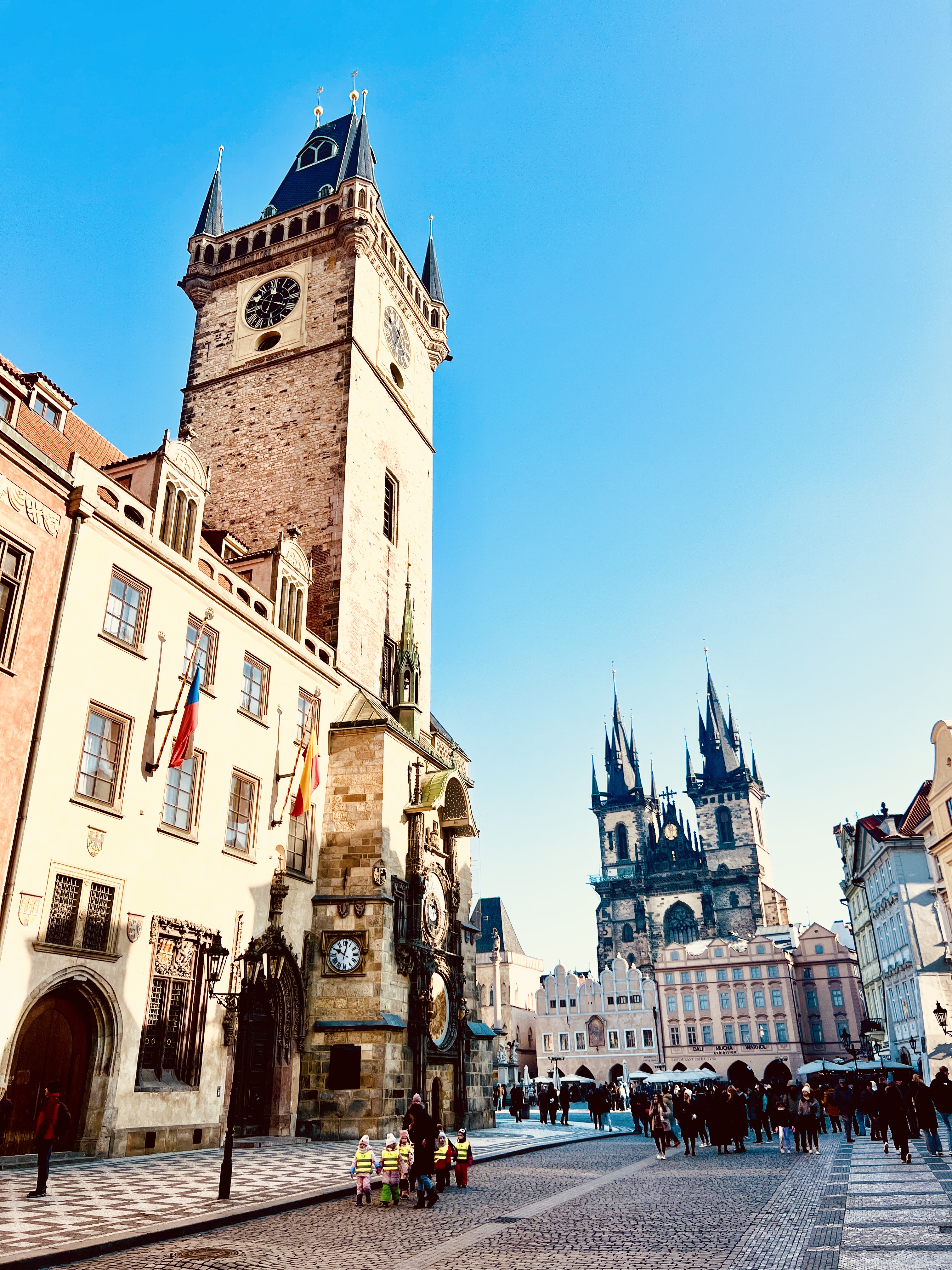
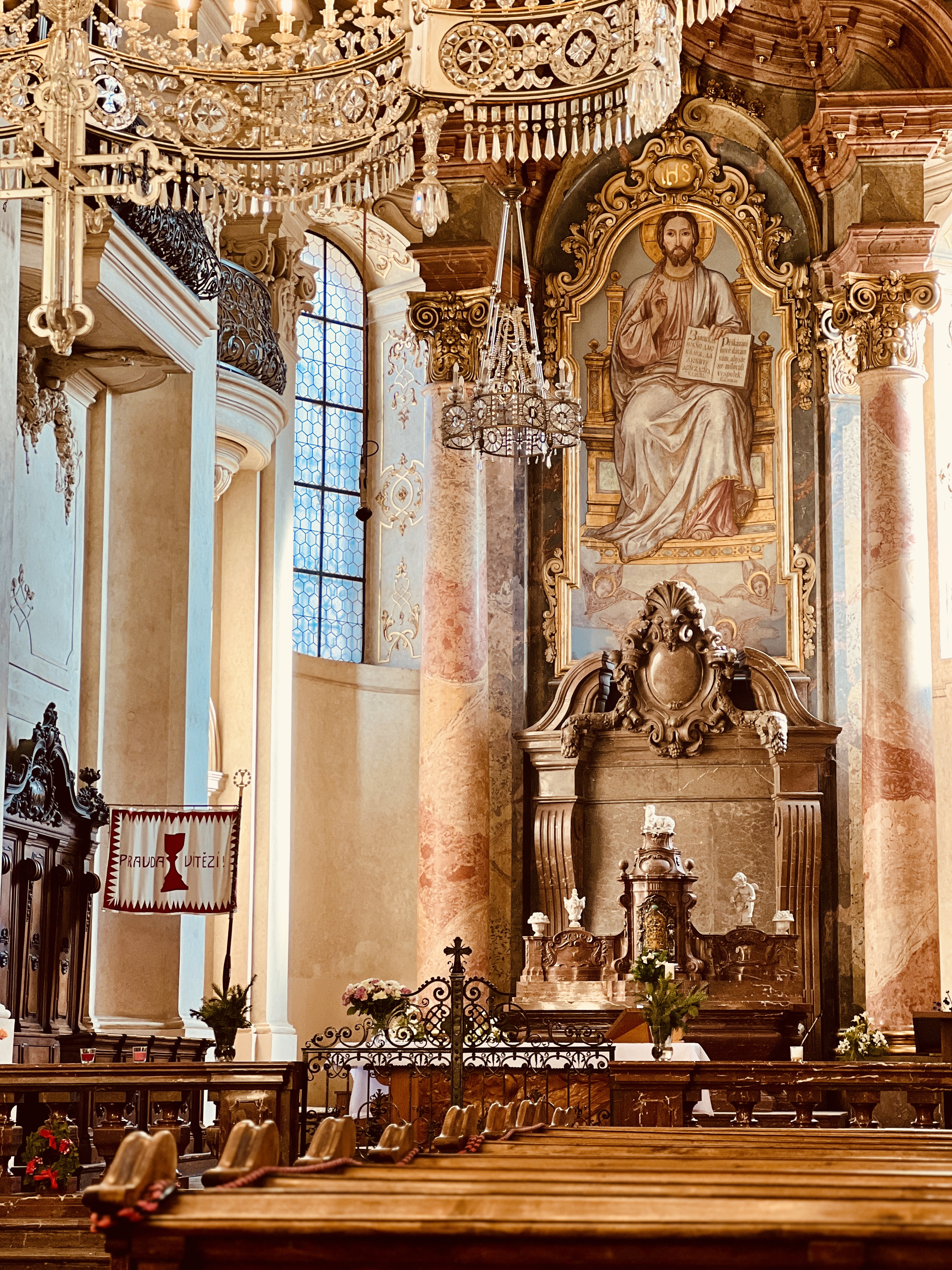
Prague had been on Liz’s list for years but we had never quite got there, so she was excited to explore it. Fair to say it delivered. The architecture of the city is genuinely astounding. It has been the seat of the Kingdom of Bohemia for more than 1000 years and escaped WWII without significant damage (to it’s buildings at least). For a country that is almost 100% agnostic or atheist, there are literally 100s of spires that watch over the centre of the city.
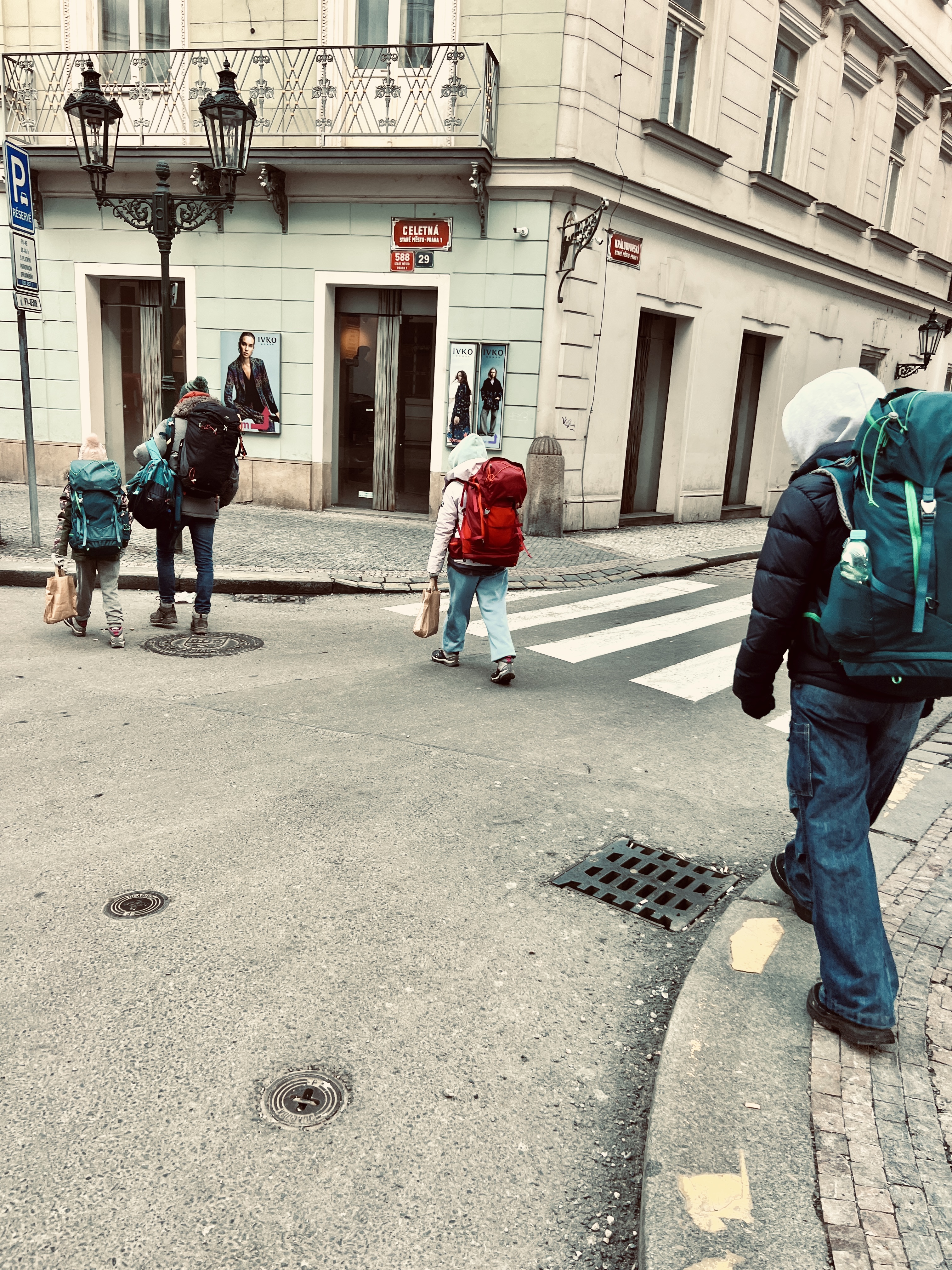
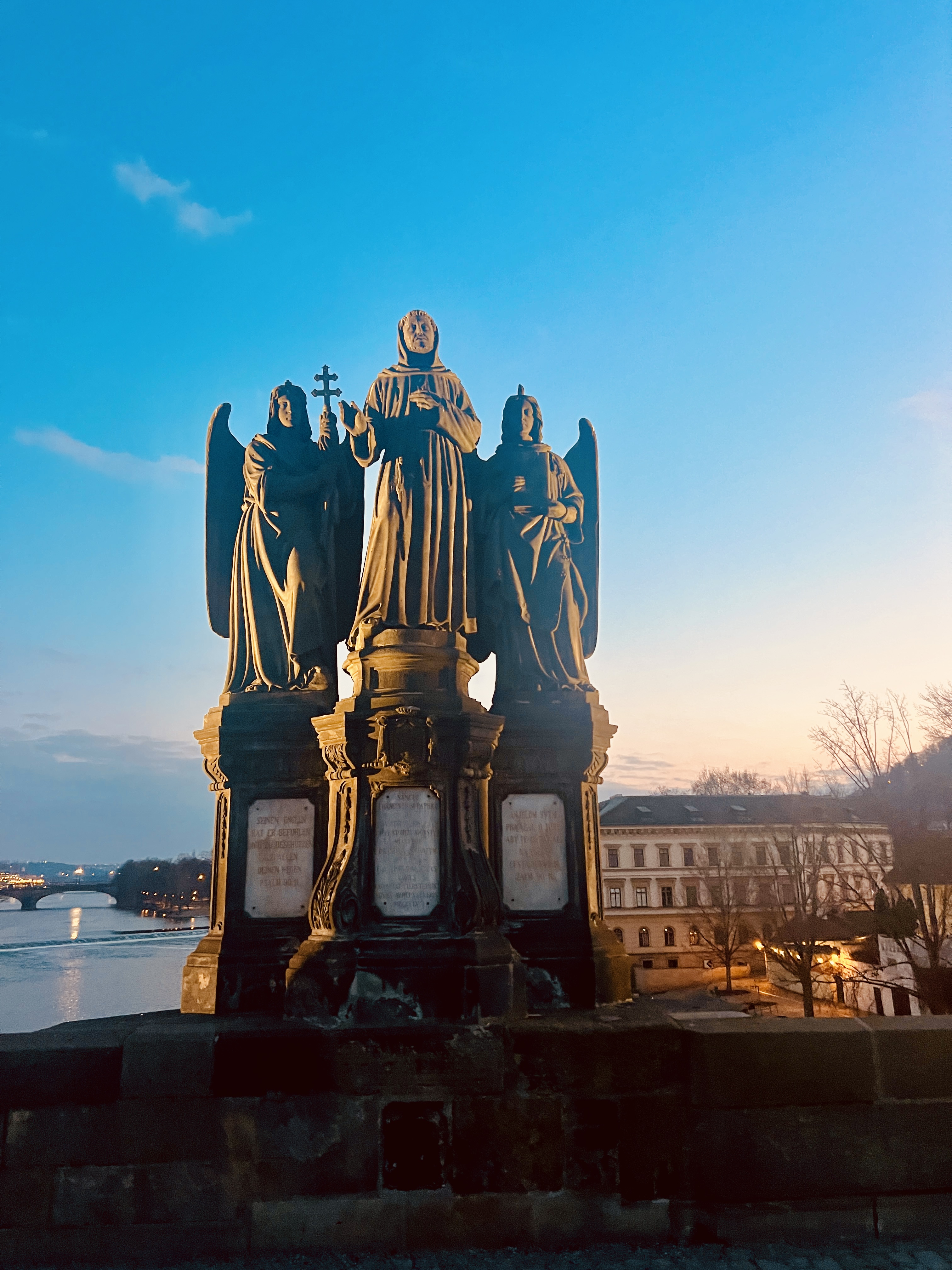
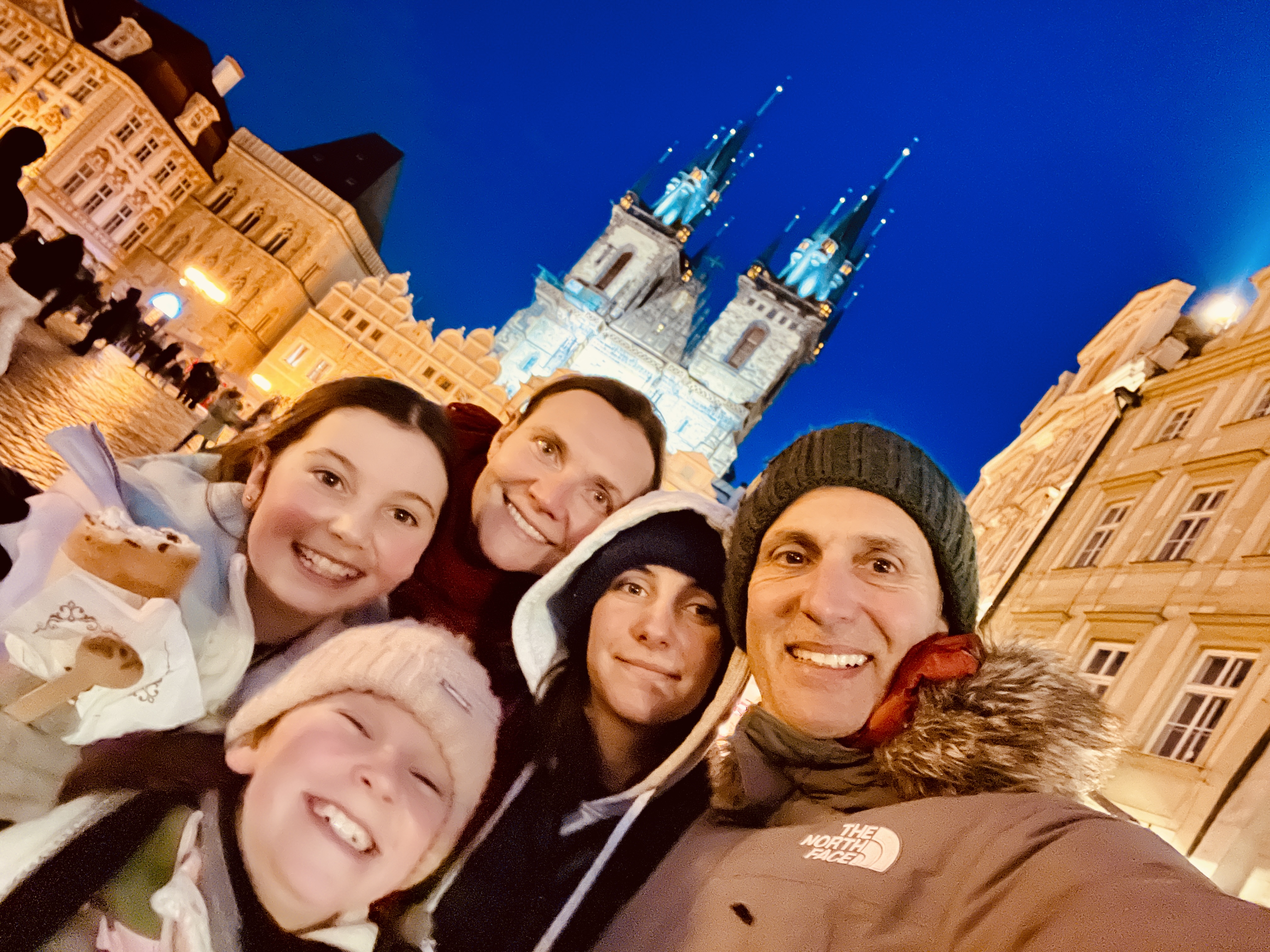
After dumping our bags (in our amazingly central apartment – thanks Liz!), we spent the morning exploring the Old Town including the fun astrological clock in the main square and, of course, the beautiful Charles Bridge.
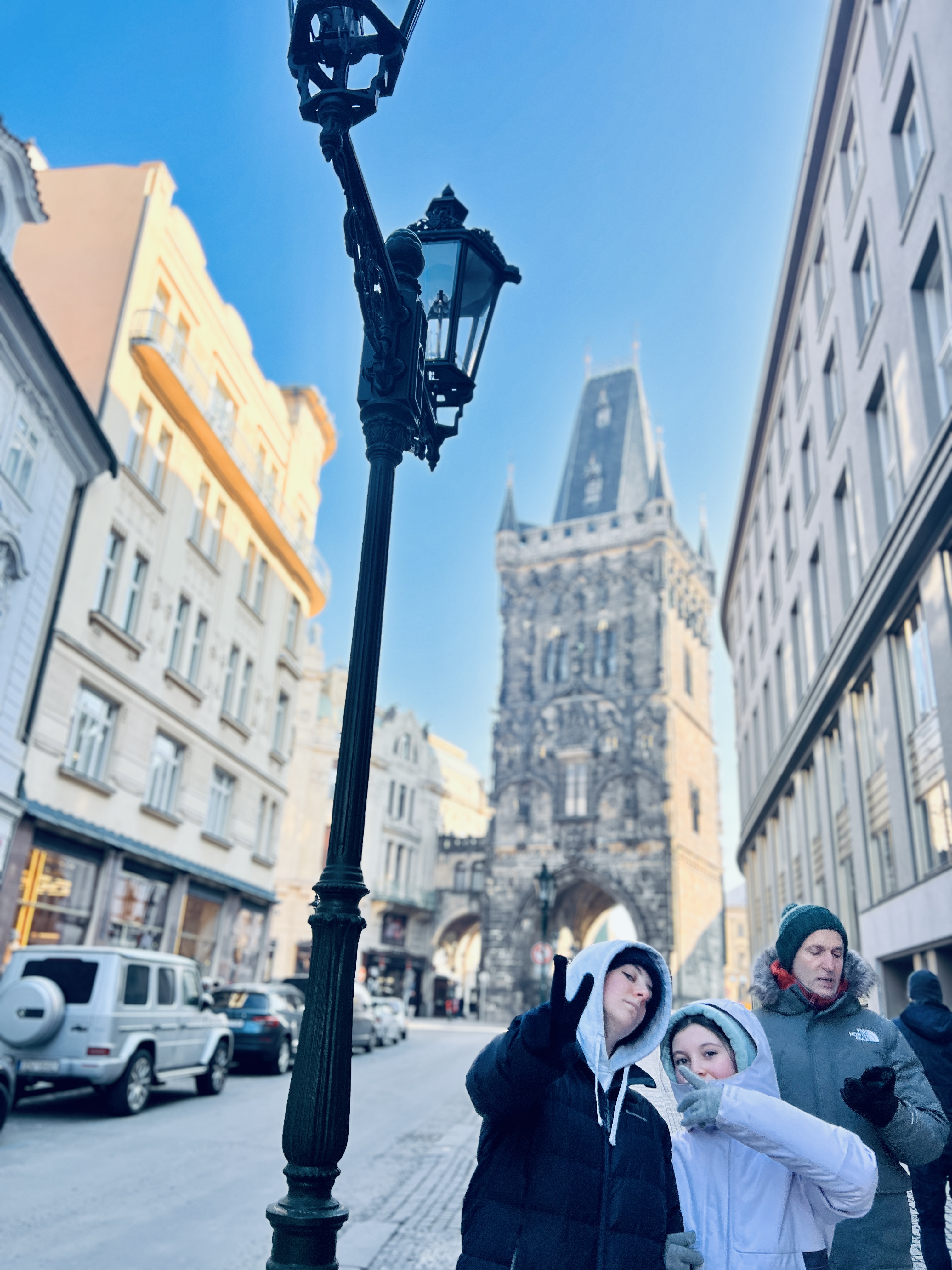
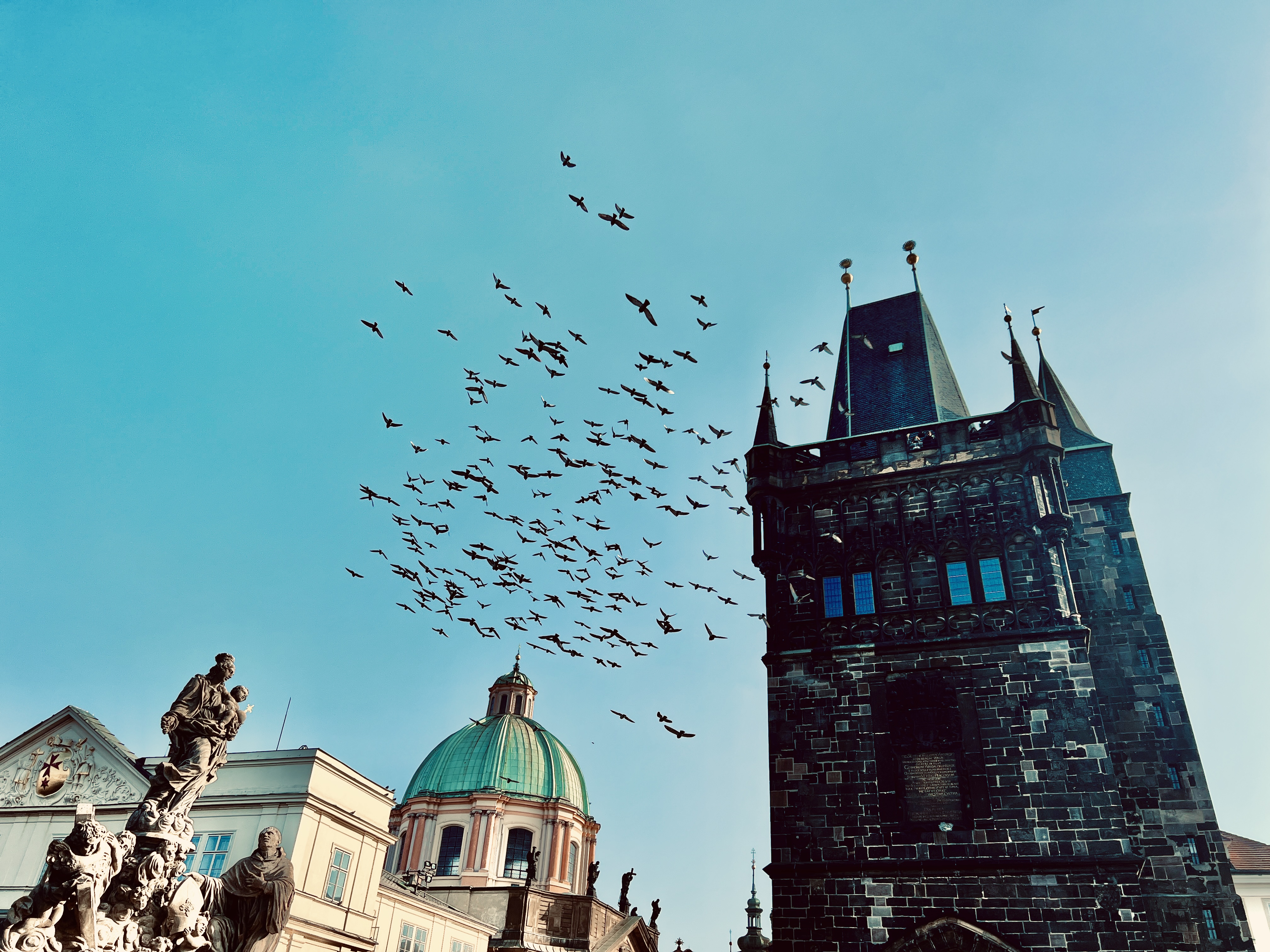

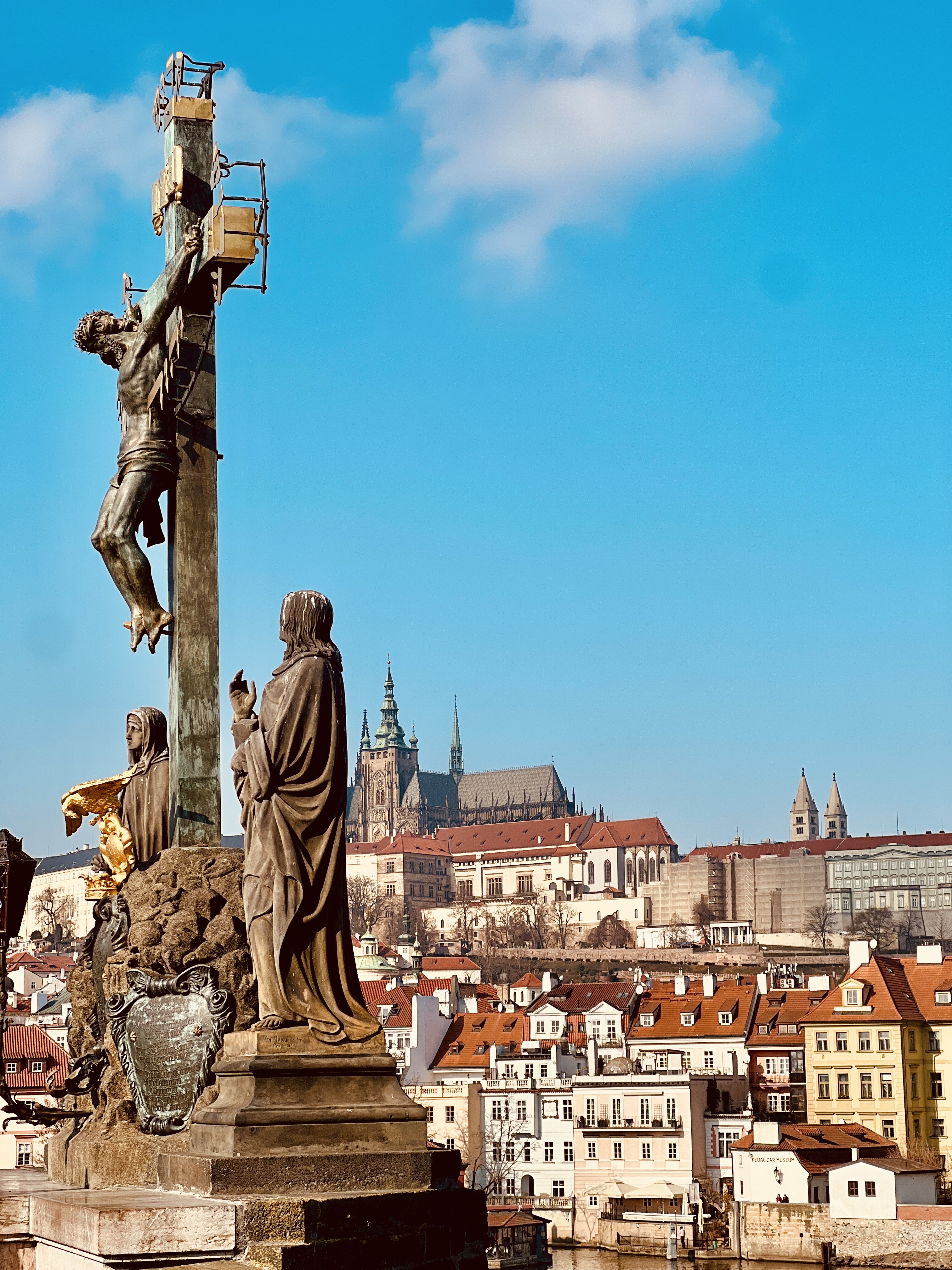
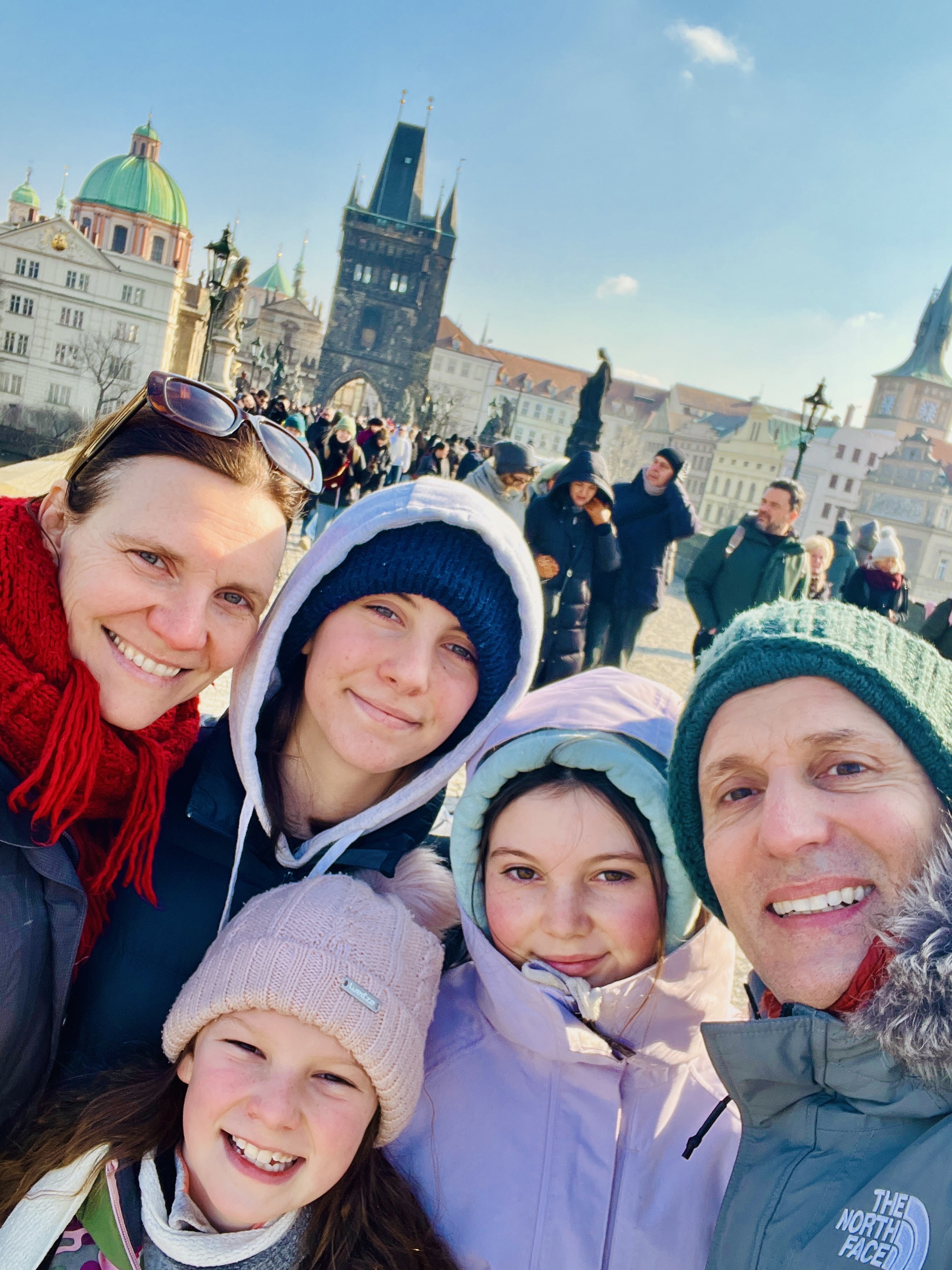
We took a GuruWalk tour in the afternoon around Prague Castle area which has been the seat of power here since the 900s. The Palace is one of the largest in Europe – they literally don’t know how many rooms it has. In addition to the various Bohemian Kings, famous guests include Hitler (who stayed here after the Nazis took Prague immediately after they were screwed by the Allies at the start of WWII) and Barack Obama in 2008.
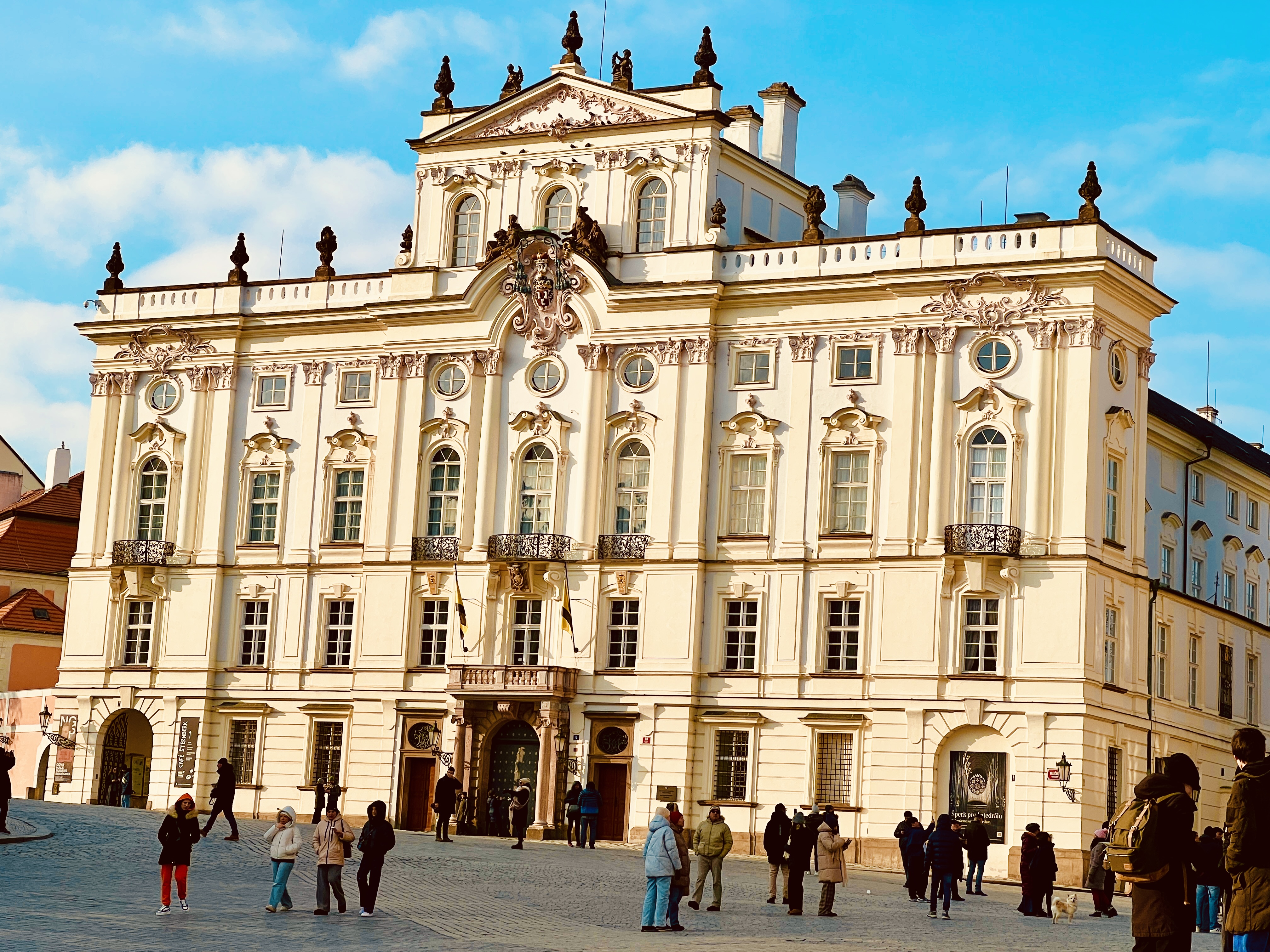

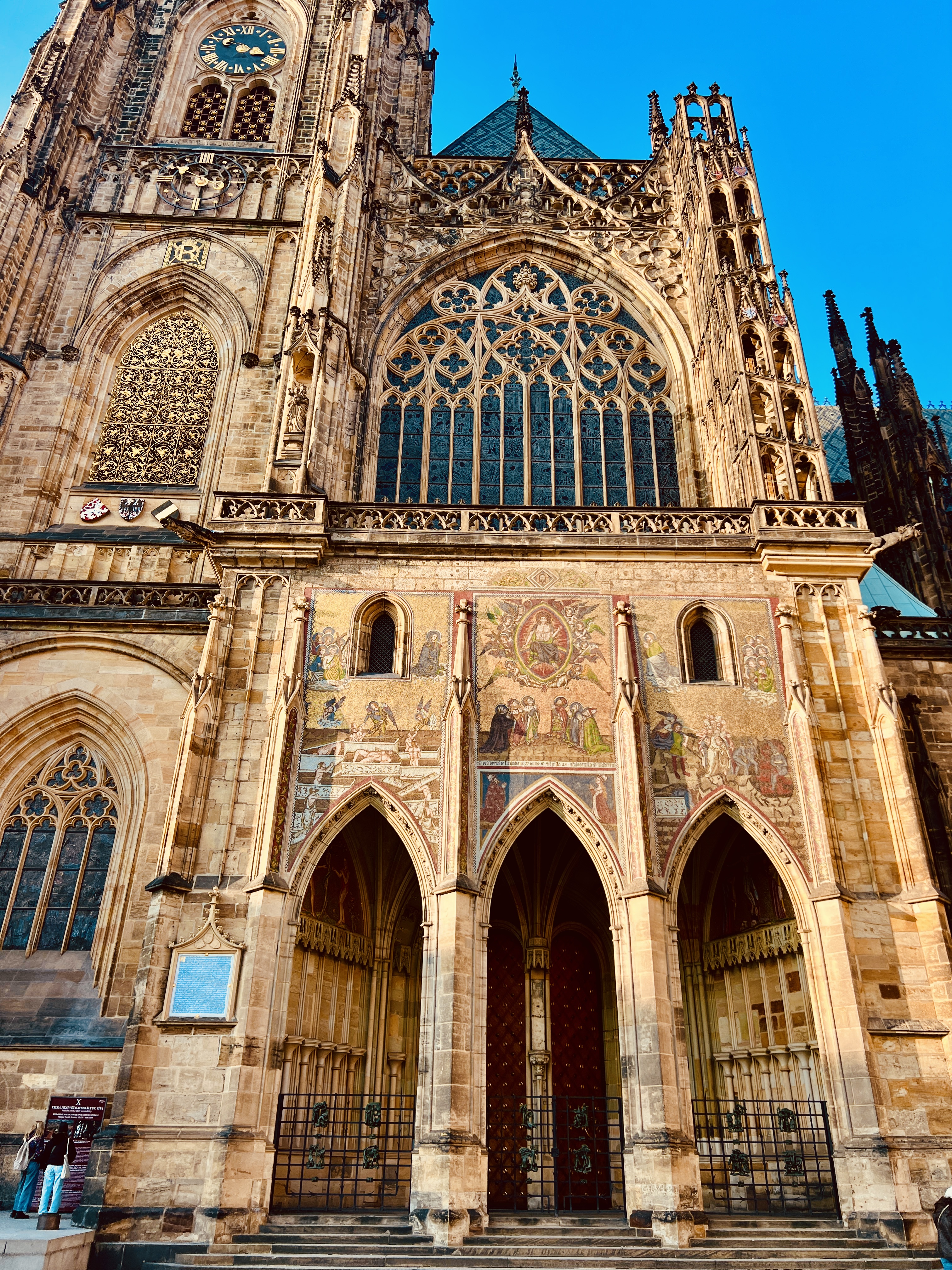
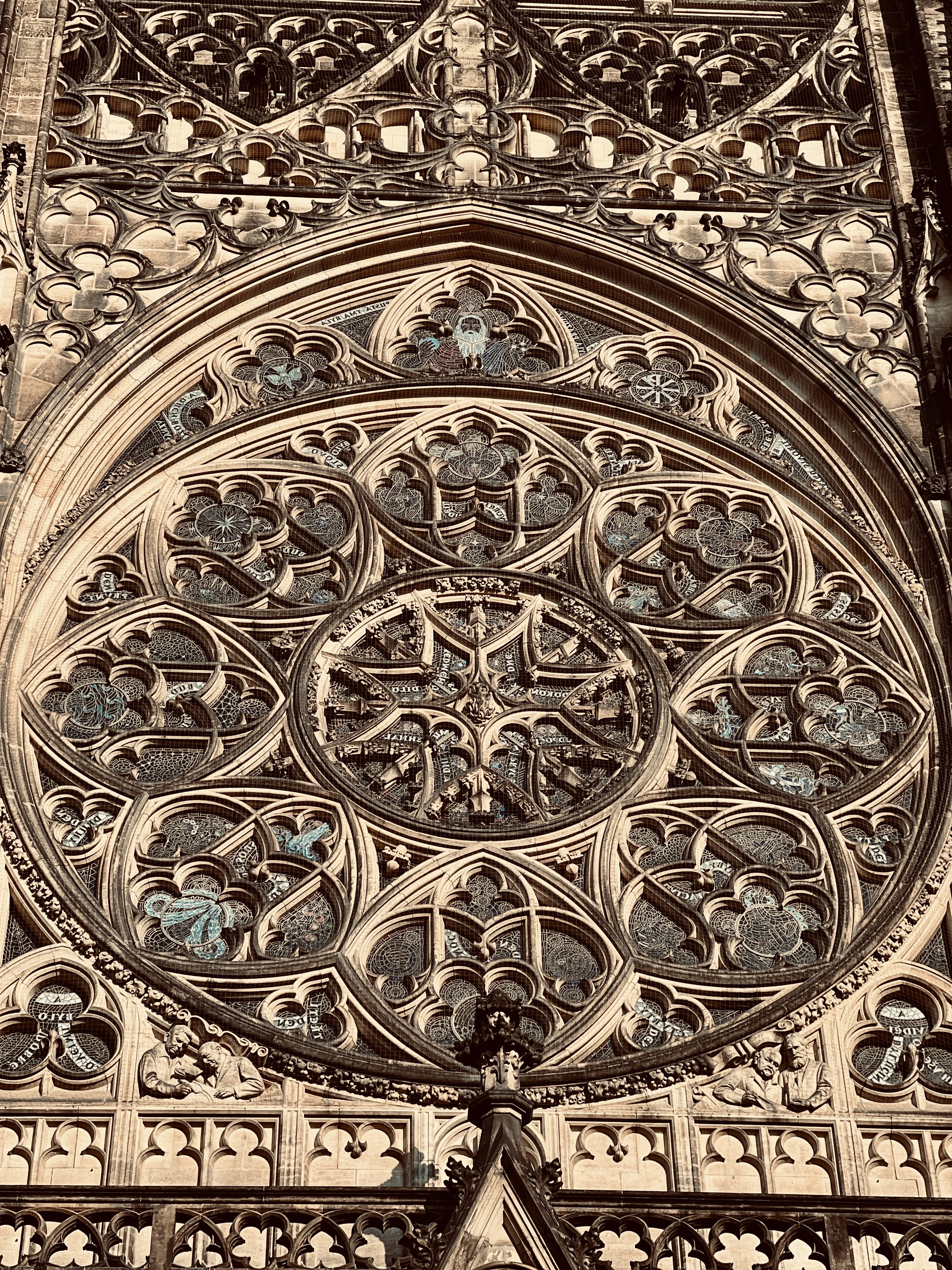
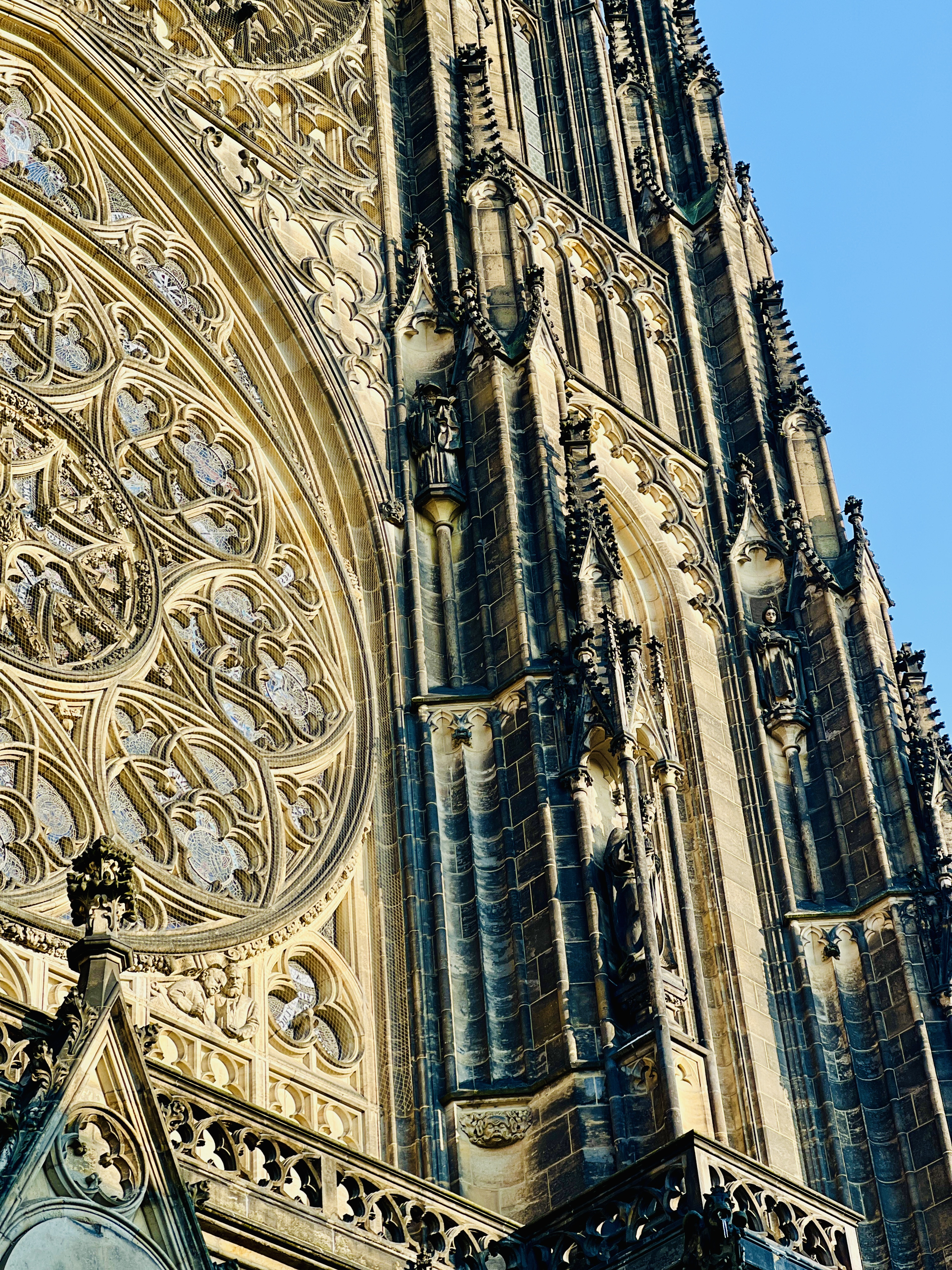
The architecture of the palace complex and, in particular, St Vitus’s Cathedral, is incredible.
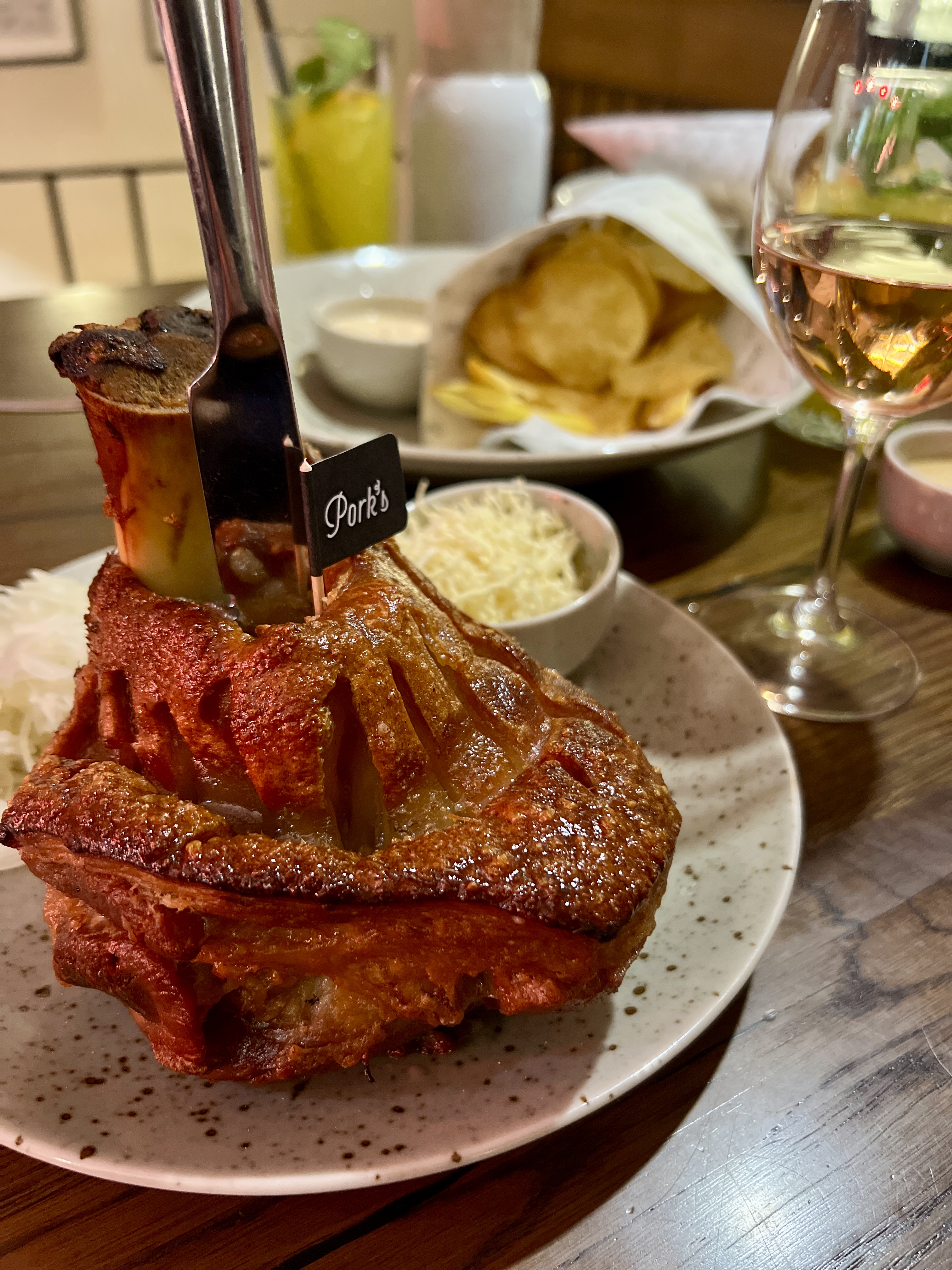
Also incredible was our visit to ‘Porks’ immediately after our tour – the least Kosher restaurant that ever there was, and a very bad place to be a pig. They turn out literally hundreds of schnitzels, chips and gallons of excellent Czech pilsner. What could possibly be bad about that – particularly off the back of walking around outside in -5 for 3 hours. So good.
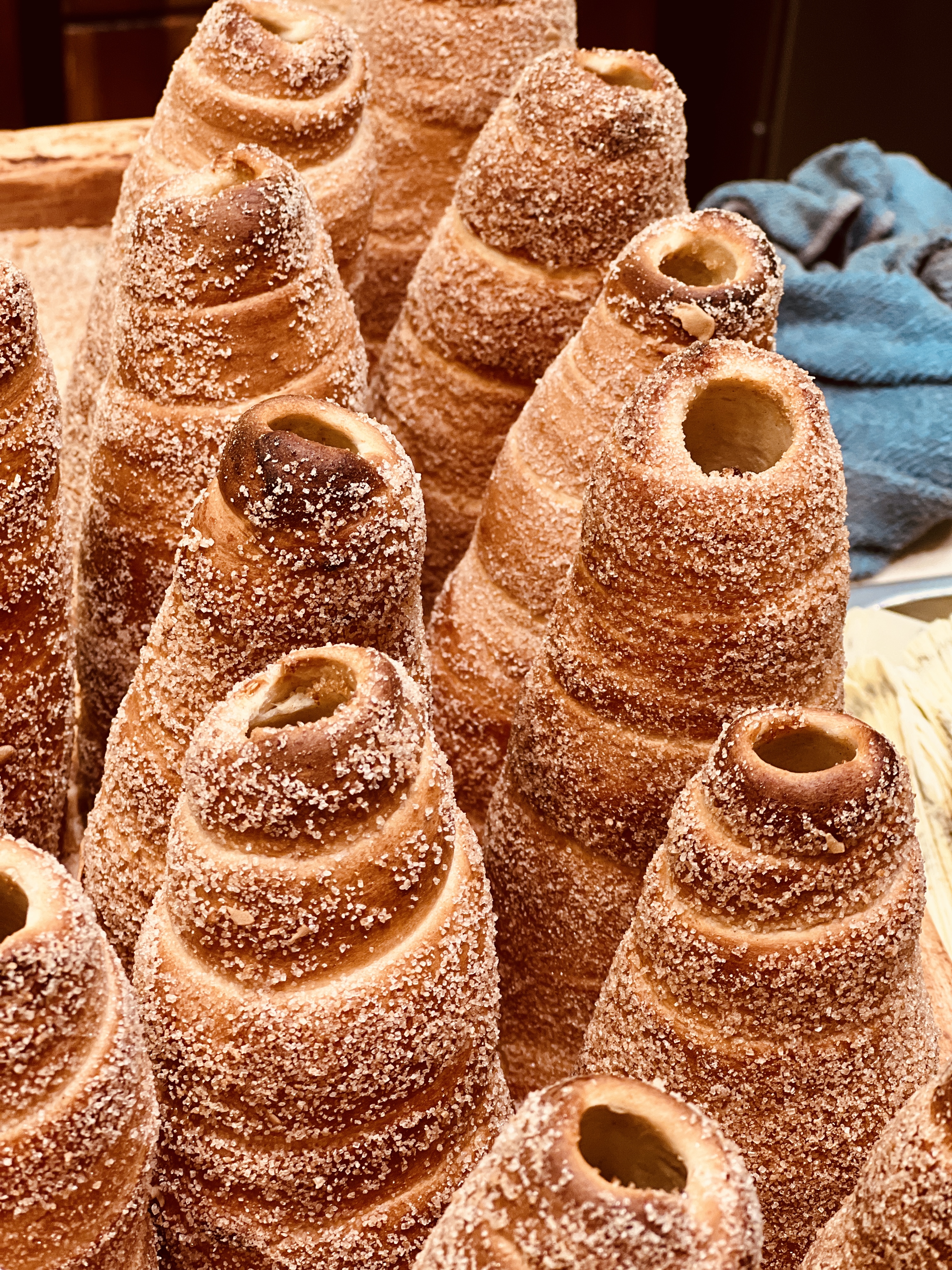
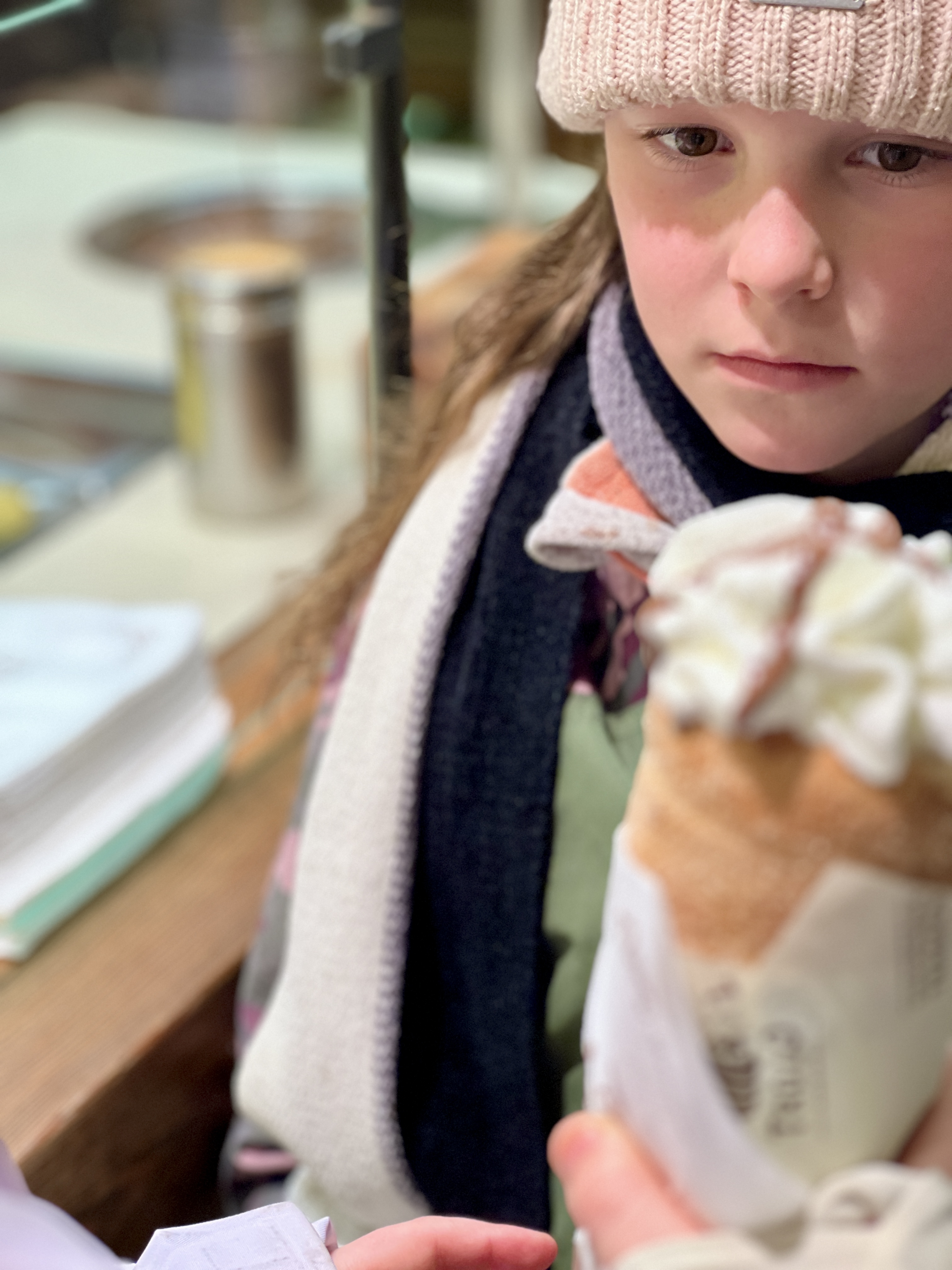
The walk home was stunning and finished off with a chimney cake.
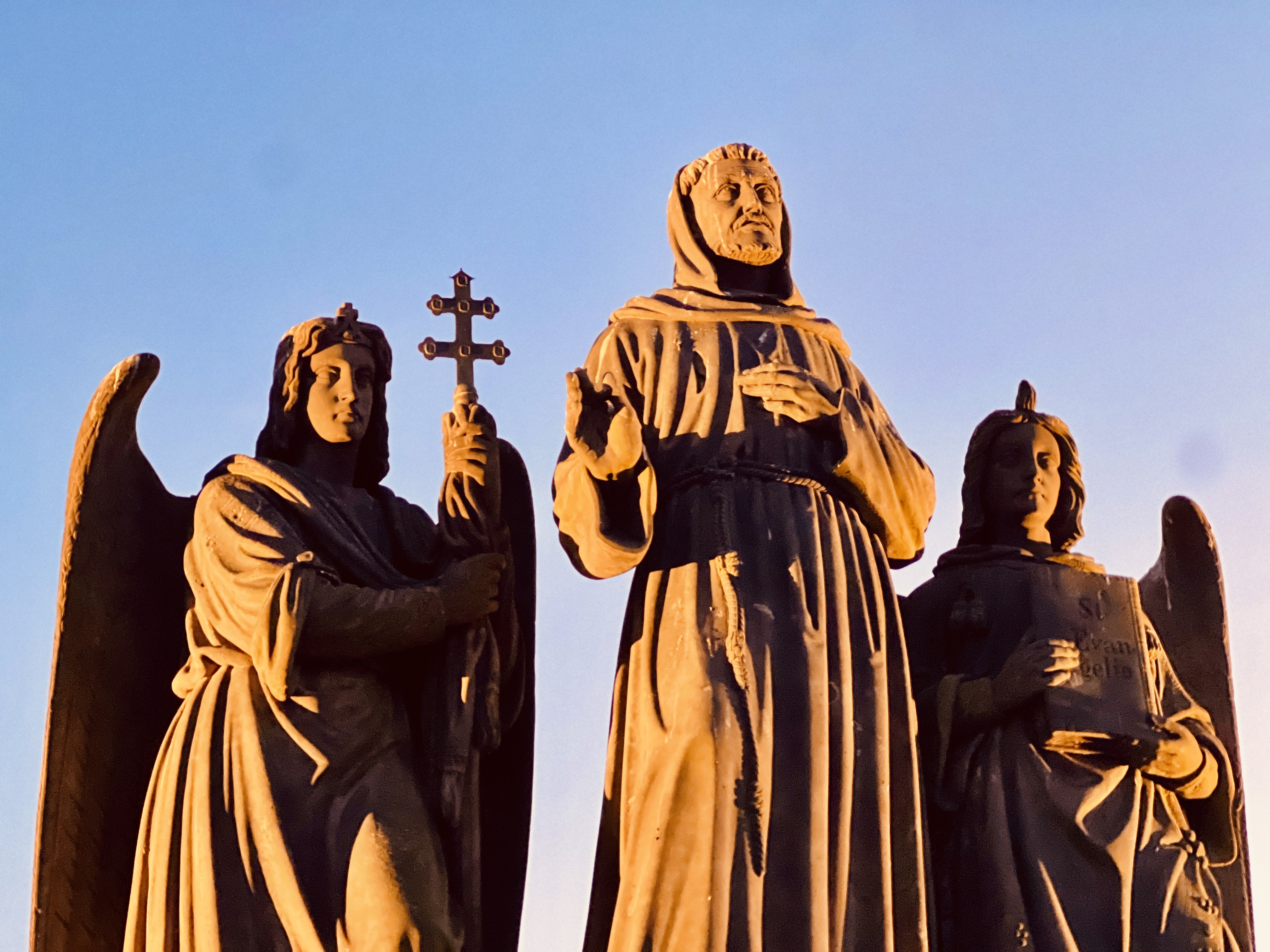
The next day we signed up to another tour (quick side note – we have become big fans of the city tours as a way of keeping both us and the kids engaged with new places), this one was focussed on Prague in WWII and during Soviet times. We spent the morning walking through the Old Town and Jewish Quarter, hearing about the role of Czech pilots in the Battle of Britain (significant), the Prague Ghetto and plight of the Jews (almost all sent to Auschwitz or other camps) and the role of the Czech resistance at the end of the war. One of the most moving parts of this are the brass plaques embedded on paving stones (called Stumbling Stones) around the city which are memorials to those who were taken from their homes around Prague into camps.
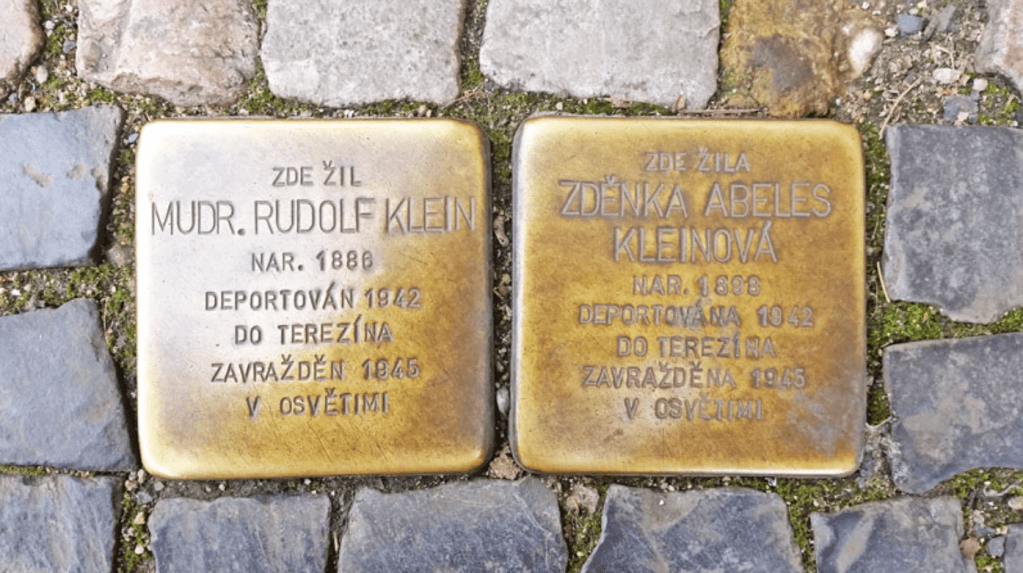
We were then taken through the start of the communist government in 1948, the Prague Spring in 1968 and the Velvet Revolution in 1989. All absolutely fascinating – and just underscored how much seismic change there has been through this region over the 20th Century.
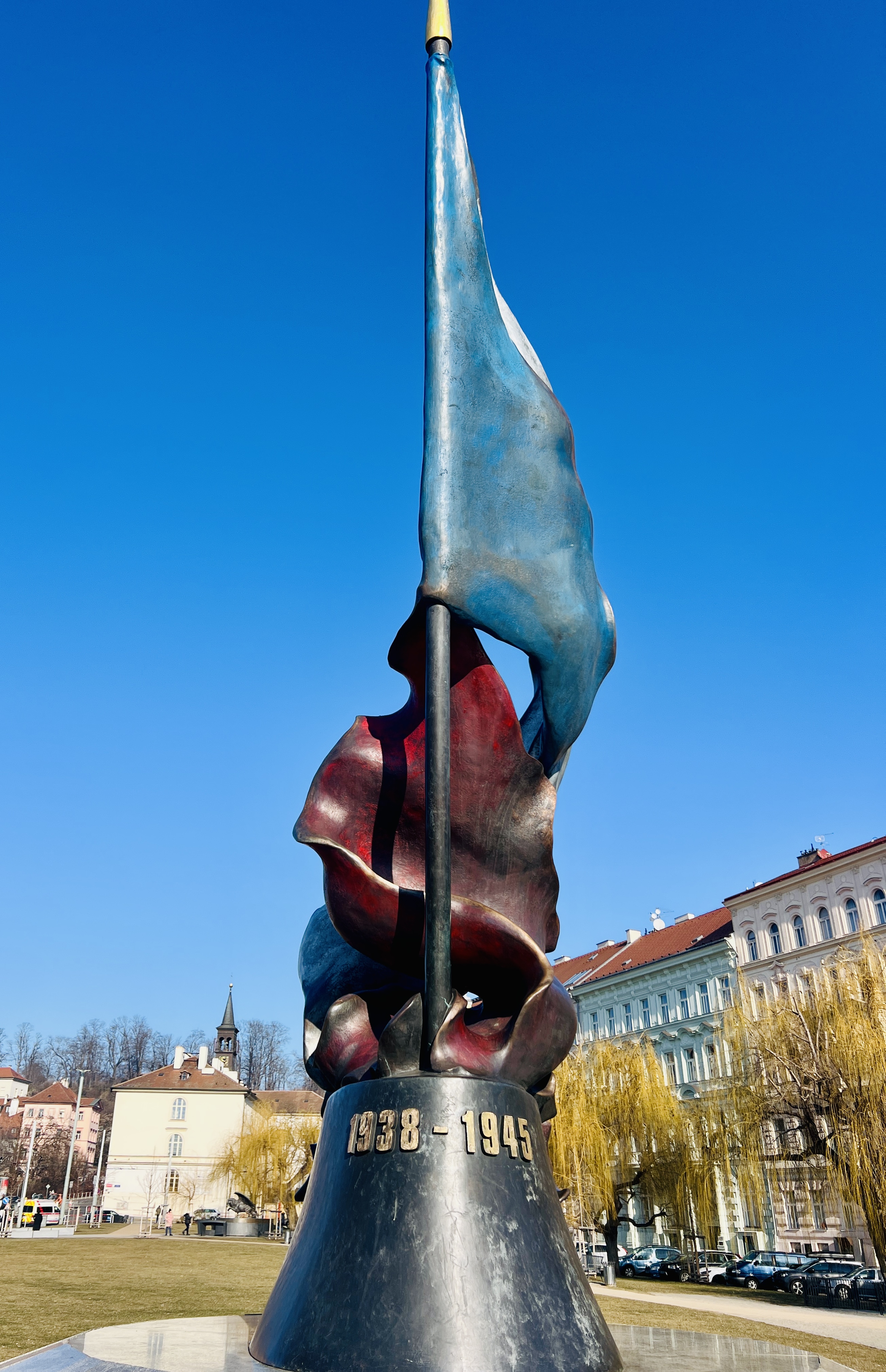
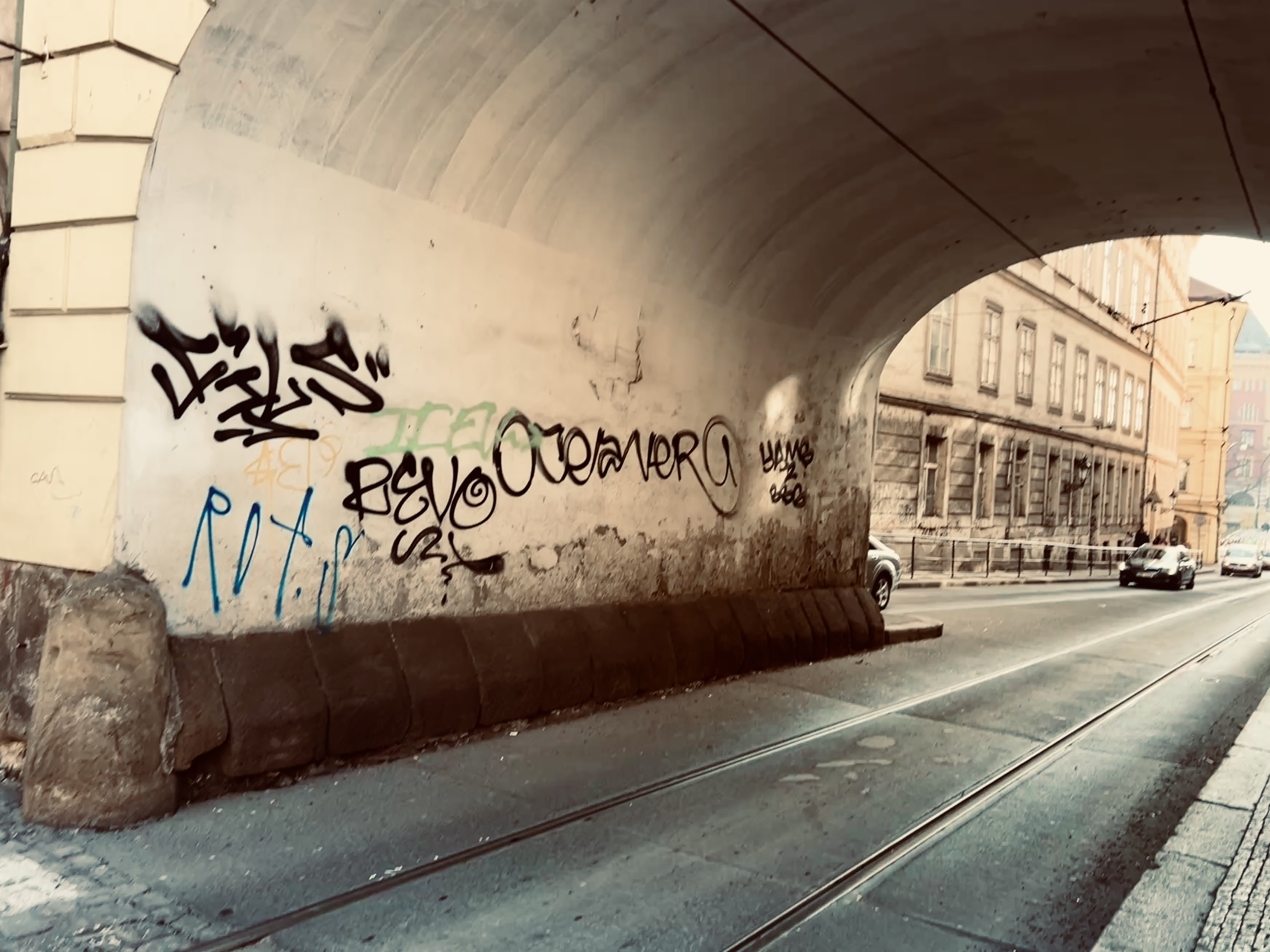
One of the (many) things we loved about Prague is the mix of old and new. The old city, castle and churches are beautifully maintained and preserved but seem to exist seamlessly next to vibrant shopping areas and modern art. This feels like a city that respects and appreciates its past (and no doubt the tourism revenue that comes a result) but also looks forward to the future.
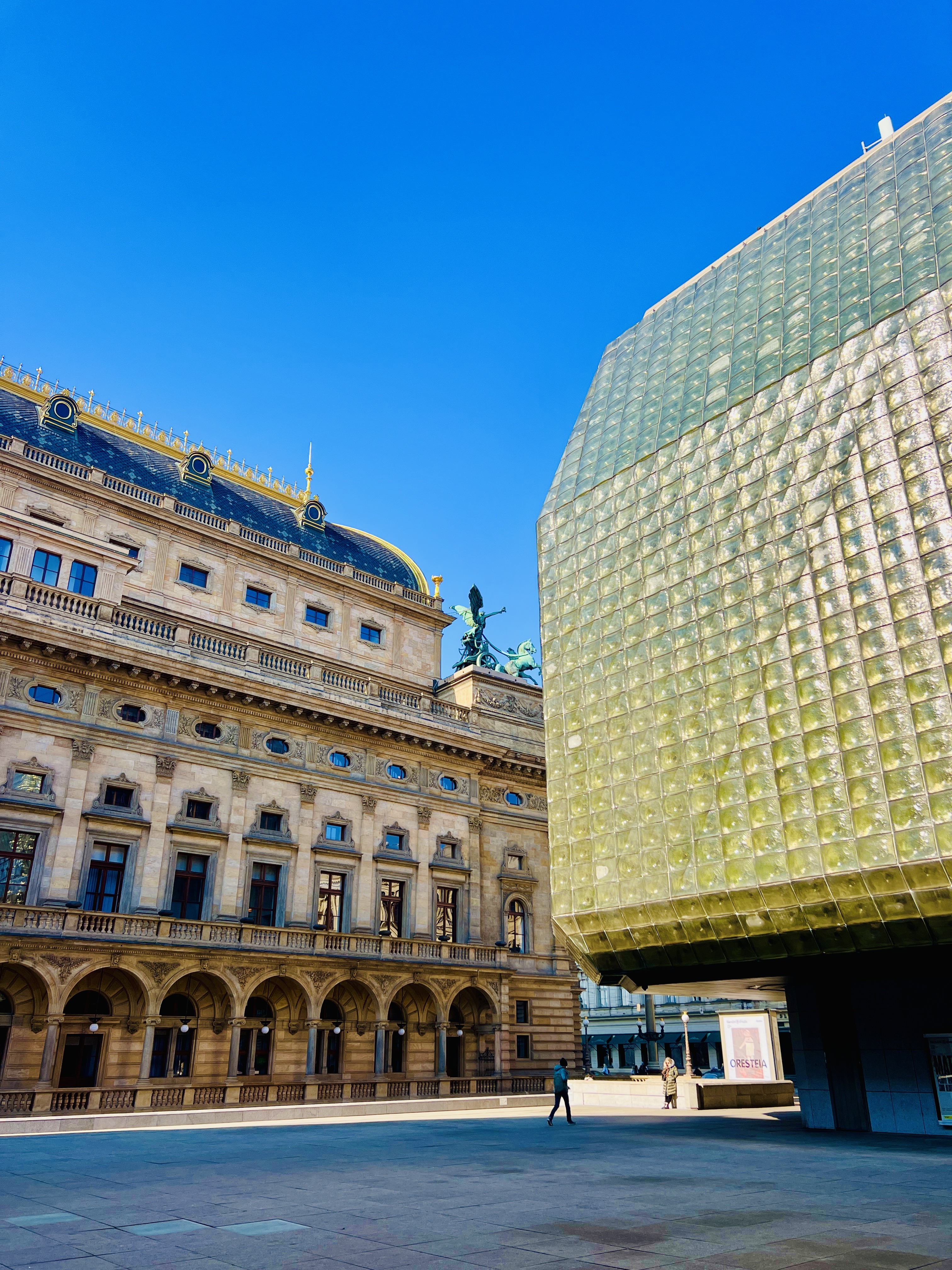
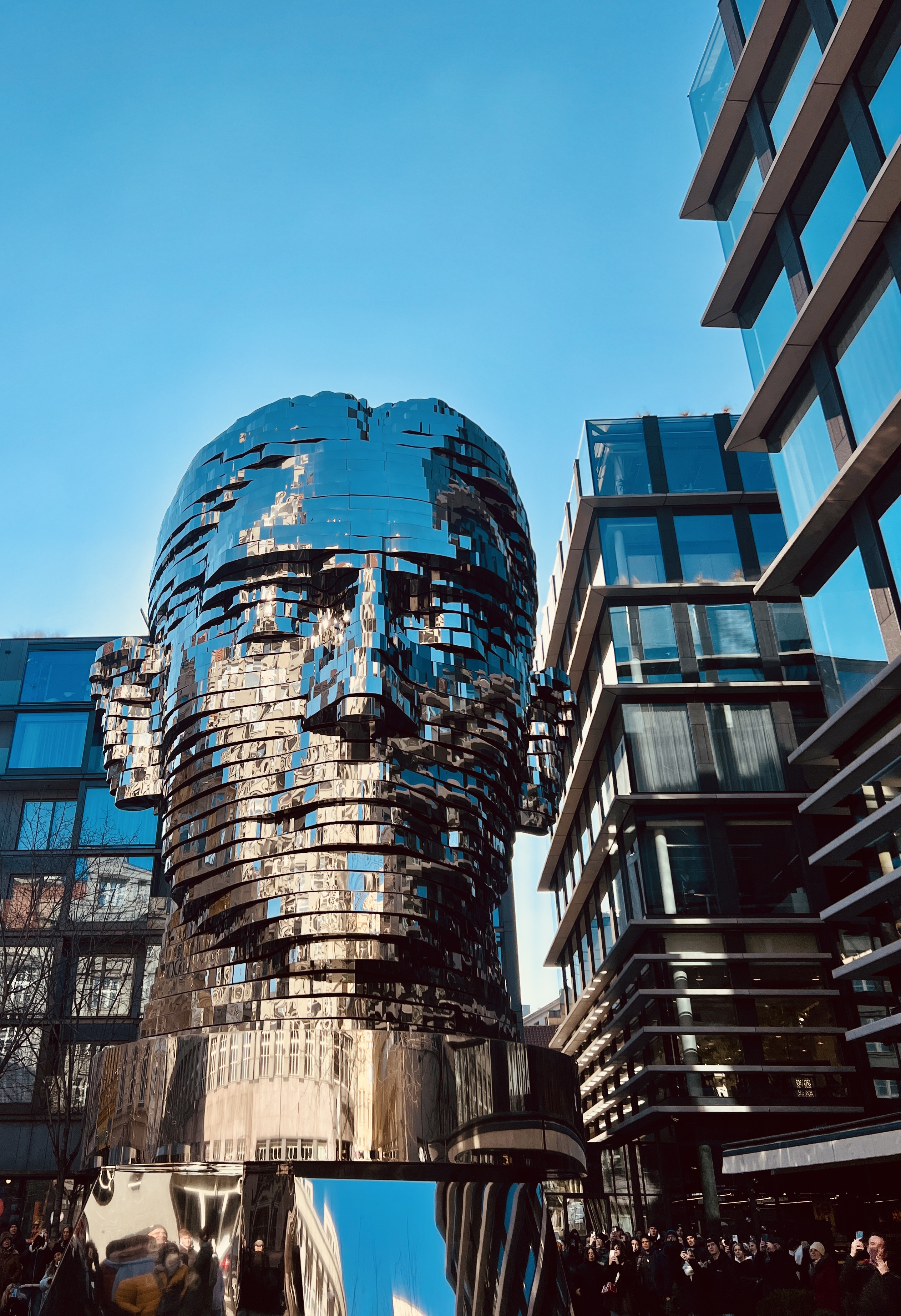
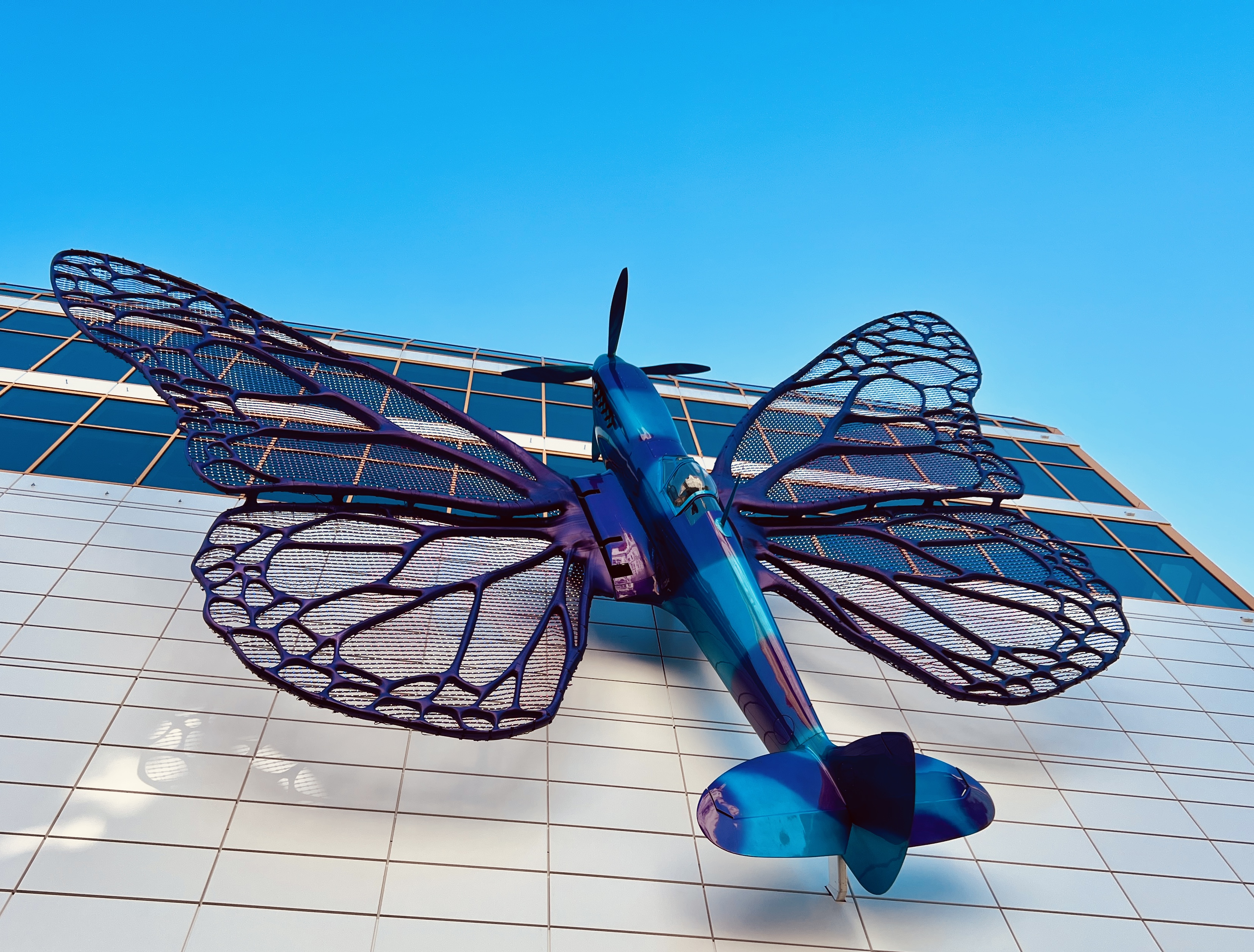
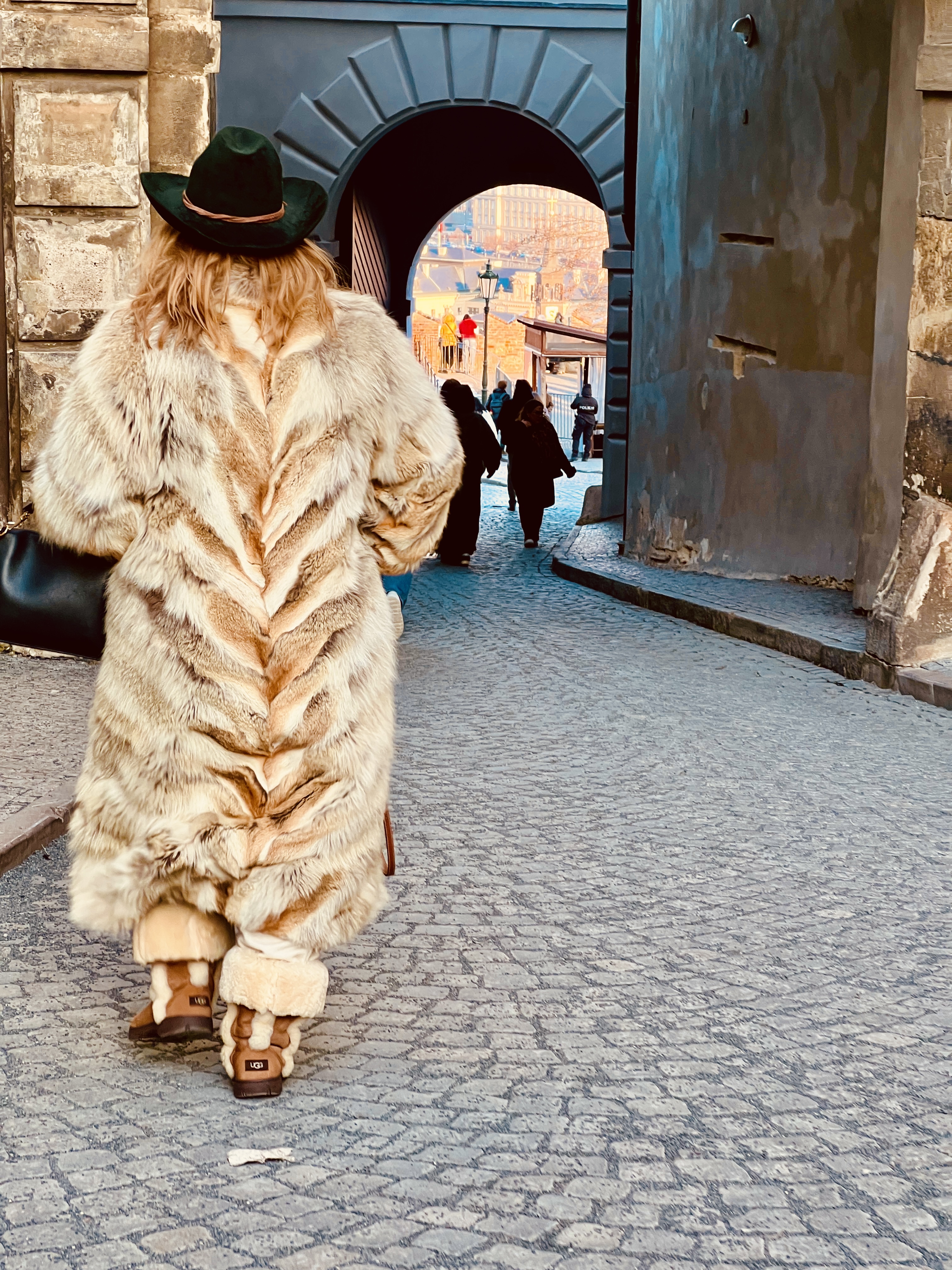
We loved the vibe and energy of the place. We also couldn’t believe how busy it was with tourists – despite the fact that the temperature hovered between -10 and -2 for the time that we were there. If this is what its like in winter, we imagine you wouldn’t be able to walk through the Old Town in summer!
Final dinner was at Lokál Dlouhááá – a 1970’s stye Czech pub priding itself on its beer and honest food.
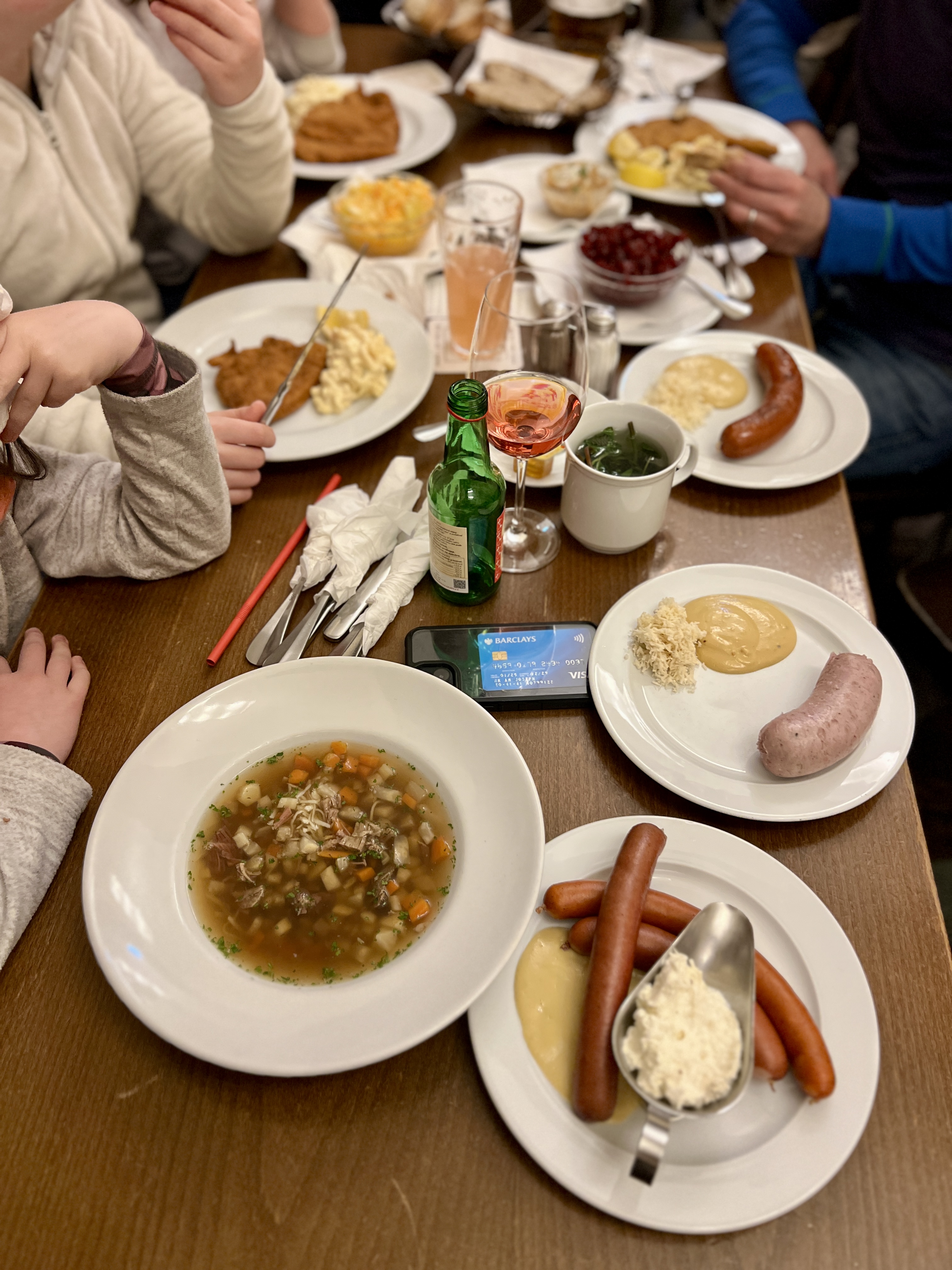
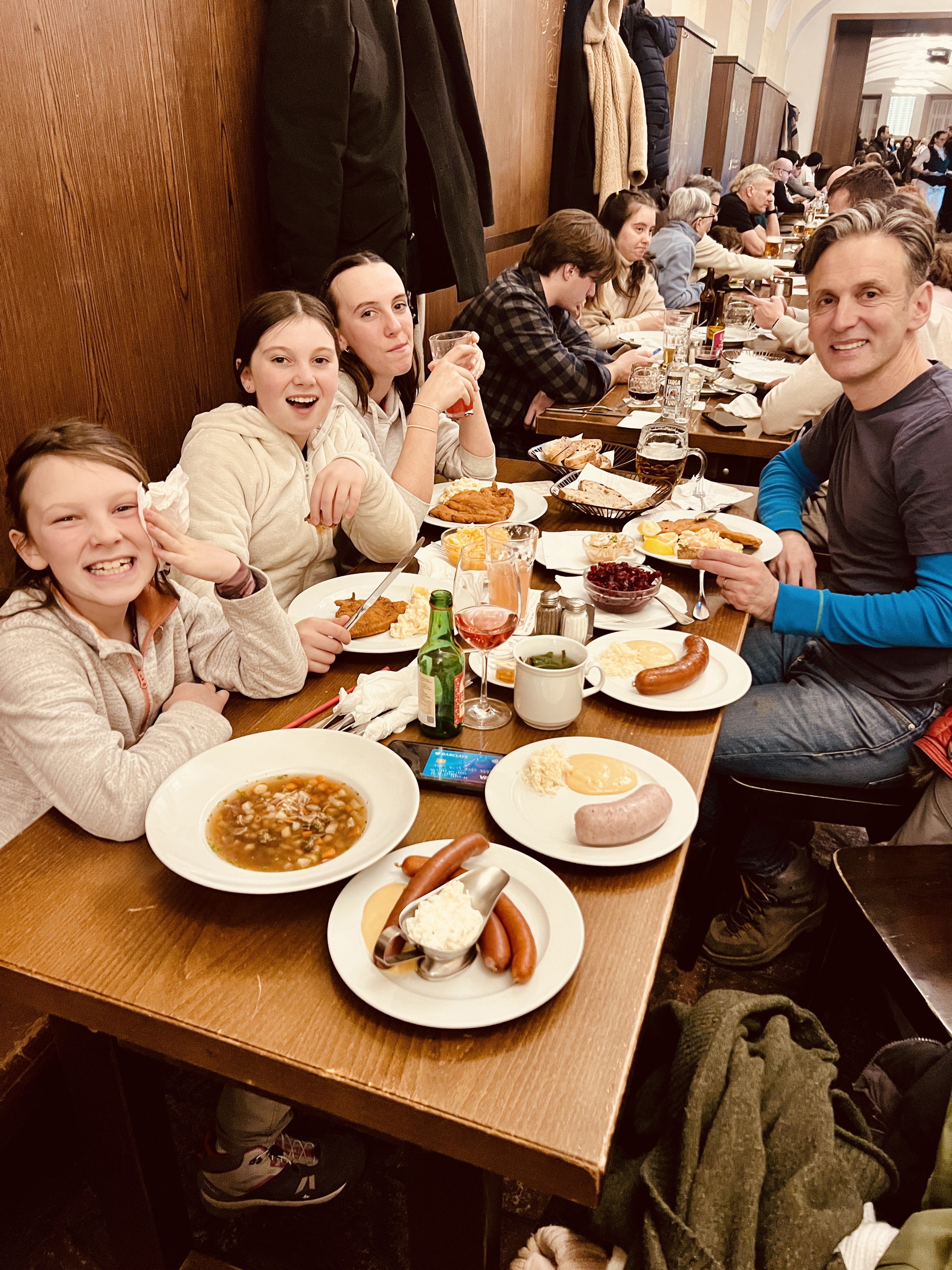
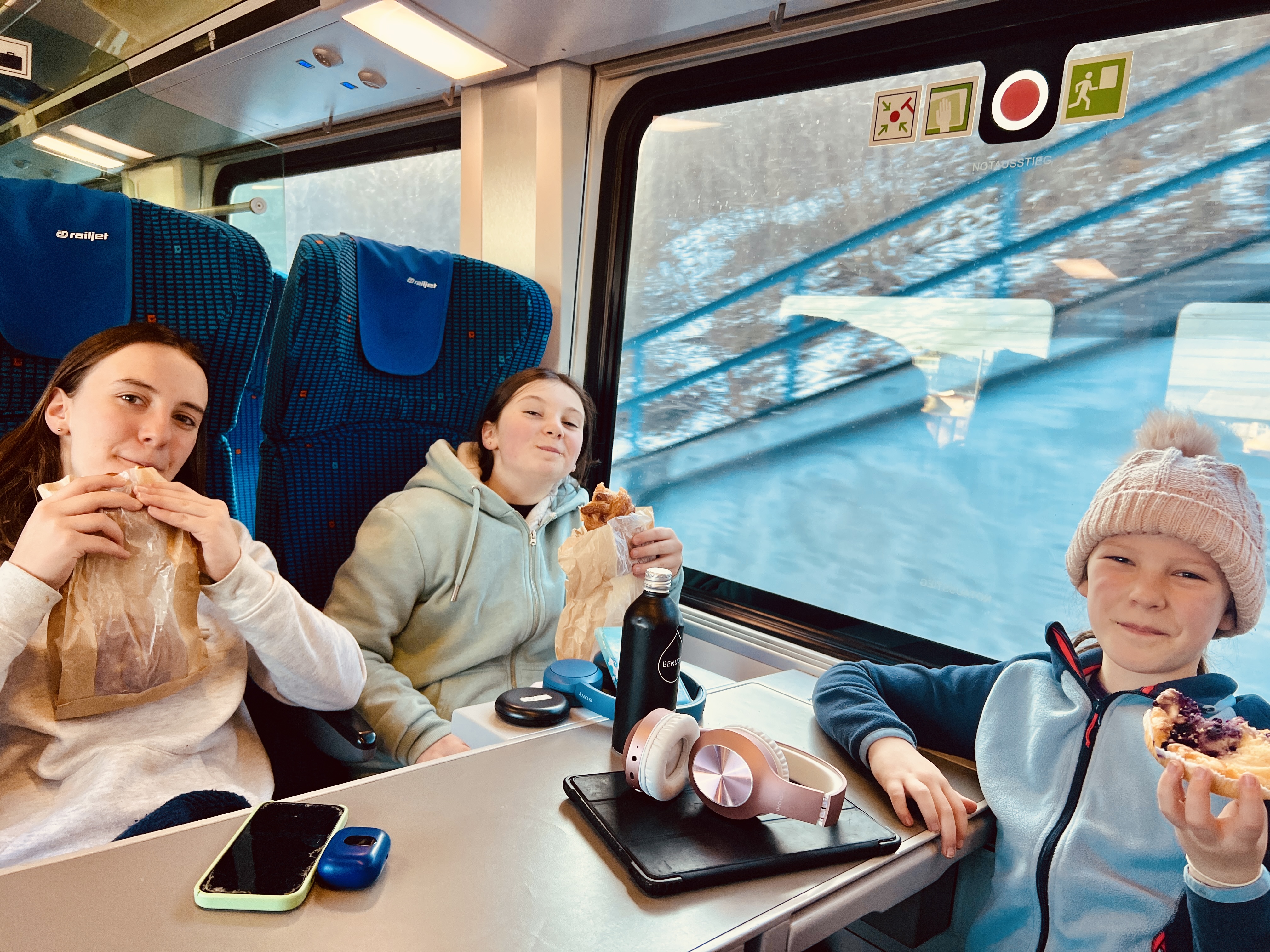
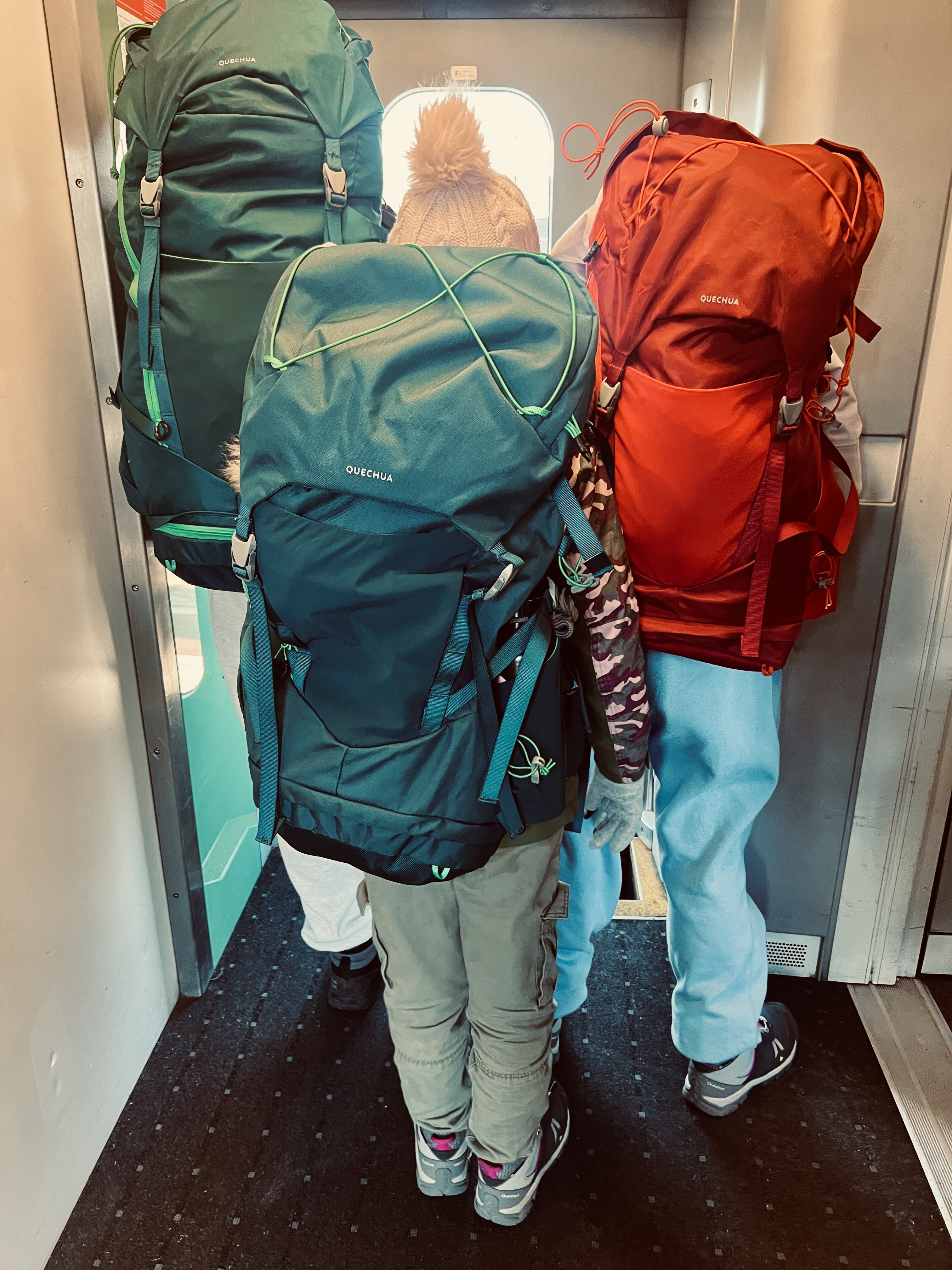
And just like that, it was time to don our backpacks again and make our way back to the train station for the next leg of our travels – a 4 hour morning train to Vienna. For the train ride we had prepared a playlist for the ages – 3 songs each, each with story behind them. This is the good stuff about travelling.
Vienna
Vienna for us was mainly about the 3 S’s – schnitzel, strudel and symphony. This, and to give Jess the opportunity to practice her German – were the main reasons we were here.
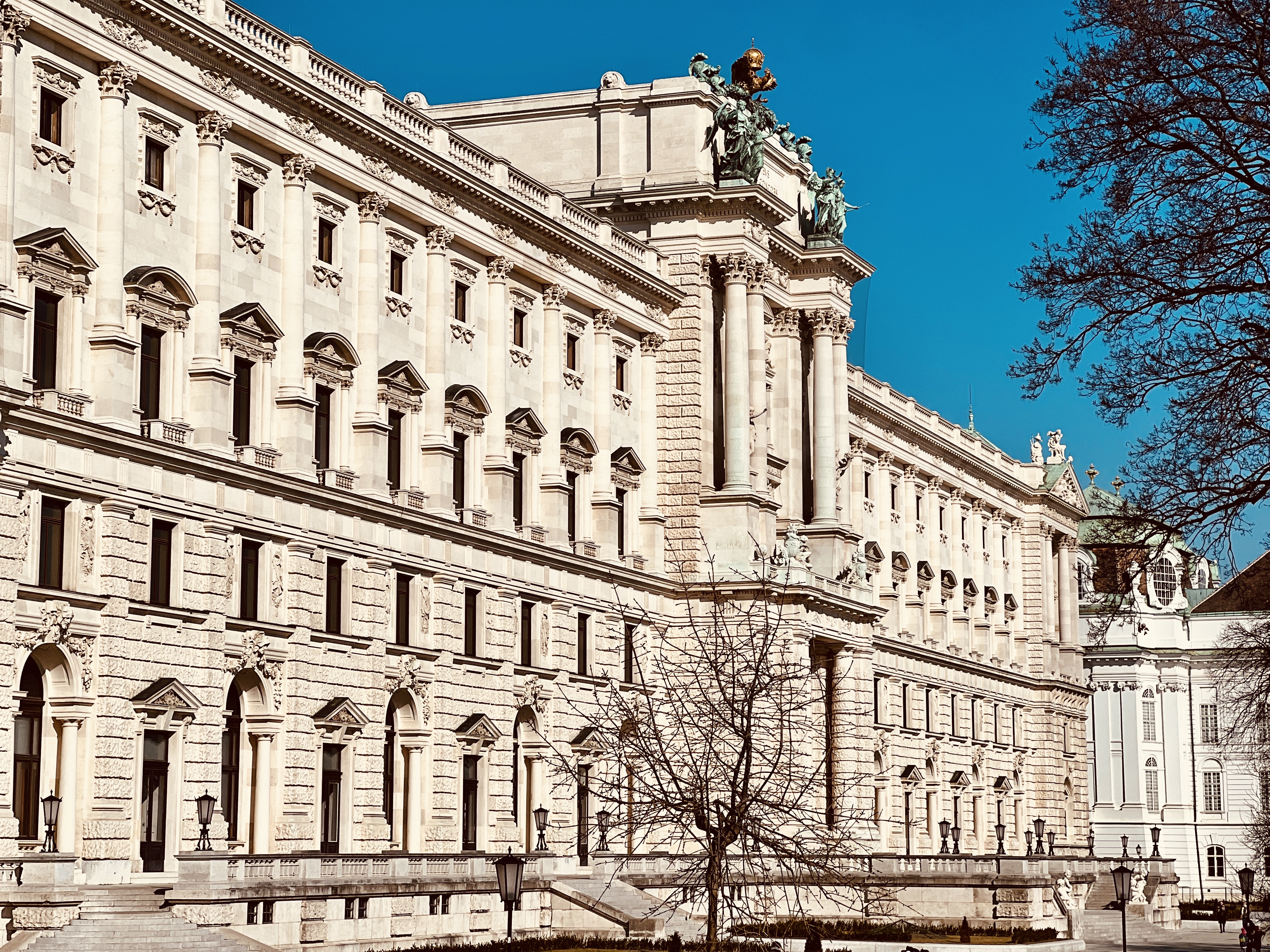
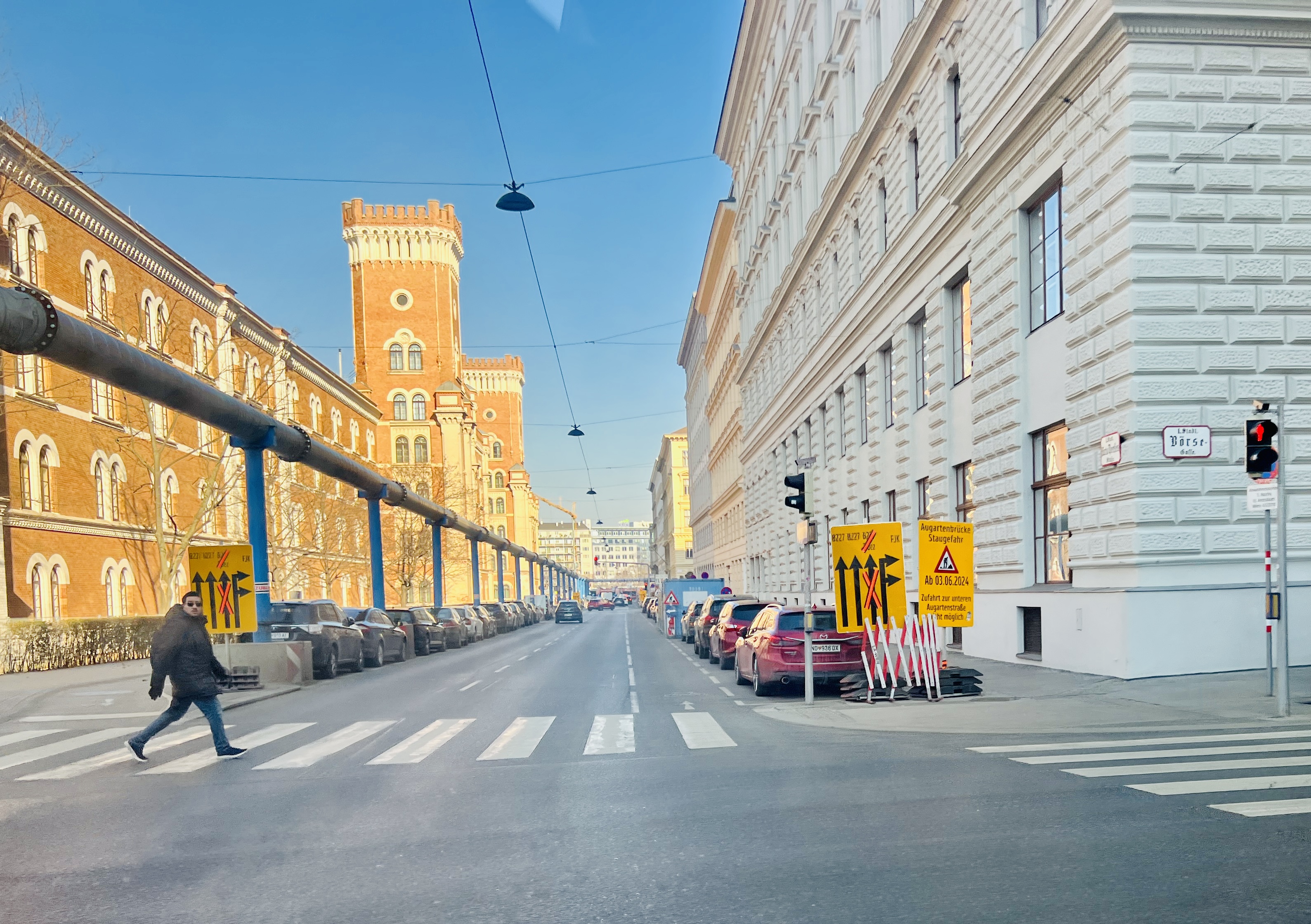
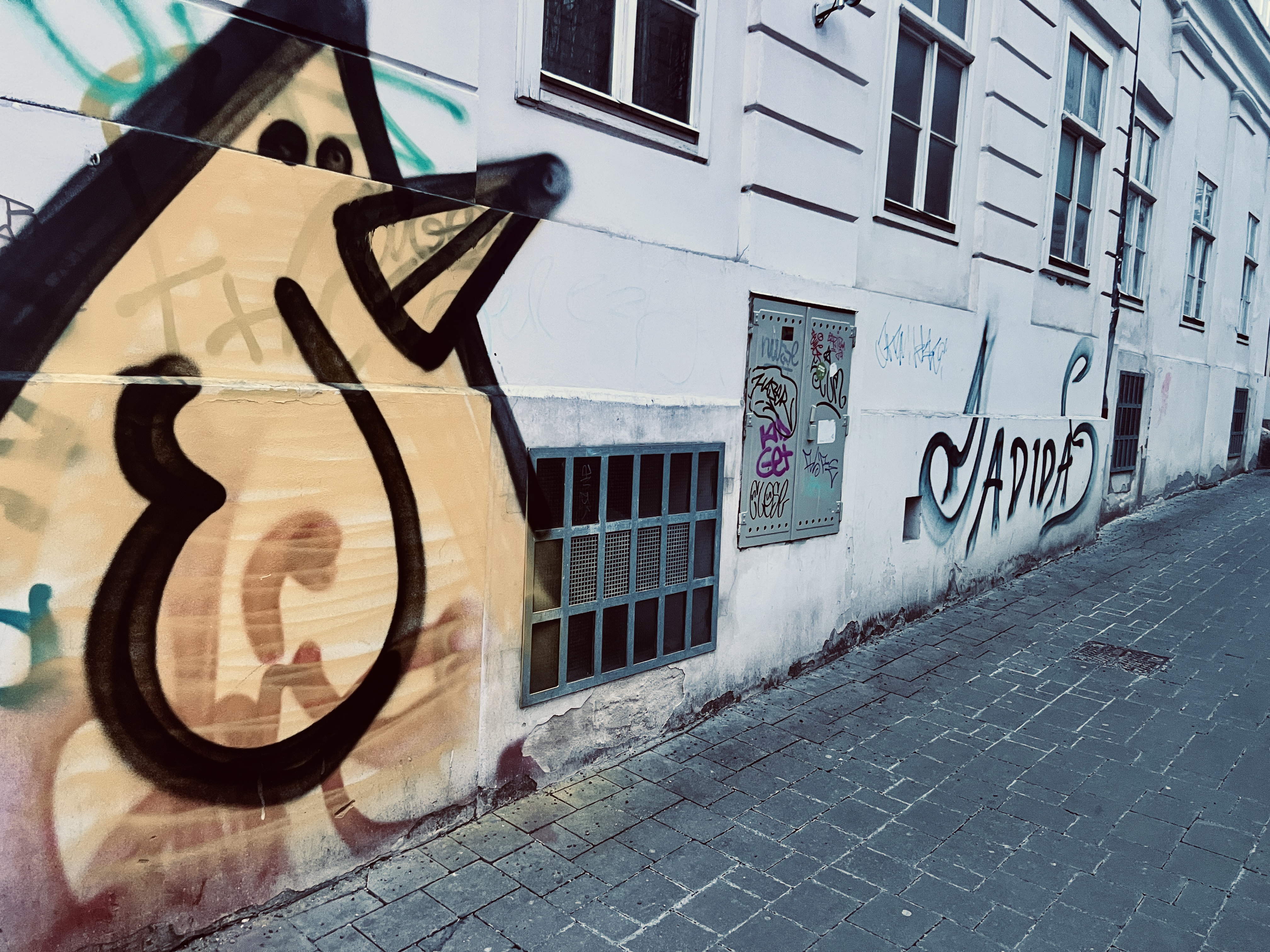
Vienna is a much bigger city than Krakow or Prague (some 2m people) and was the seat of the Austro Hungarian empire leading up to WWI. The centre of the city is dominated by a series of jaw dropping palaces including the Hofburg, Belvedere and the UNESCO listed Schoenberg, towering spires of the various churches, cathedrals, the wonderful Rathaus and a myriad of other spectacular sites. Everywhere you look there was something else to marvel at.
Austria is the one country that was ‘liberated’ by the Soviet Union that did not turn communist in the aftermath of WWII. Instead it remained occupied by all 4 allies until 1955 when the state of Austria was established. From then until now it has managed to thread the needle of needle of neutrality between east and west, joining neither NATO or the Warsaw Pact, and only joining the EU in 1995.
The city feels quite big and distances between sites can be large, so a city pass on the incredibly efficient tram/metro/bus network is a must, and we were soon zipping around, seemingly never waiting more than a minute for a transport option.
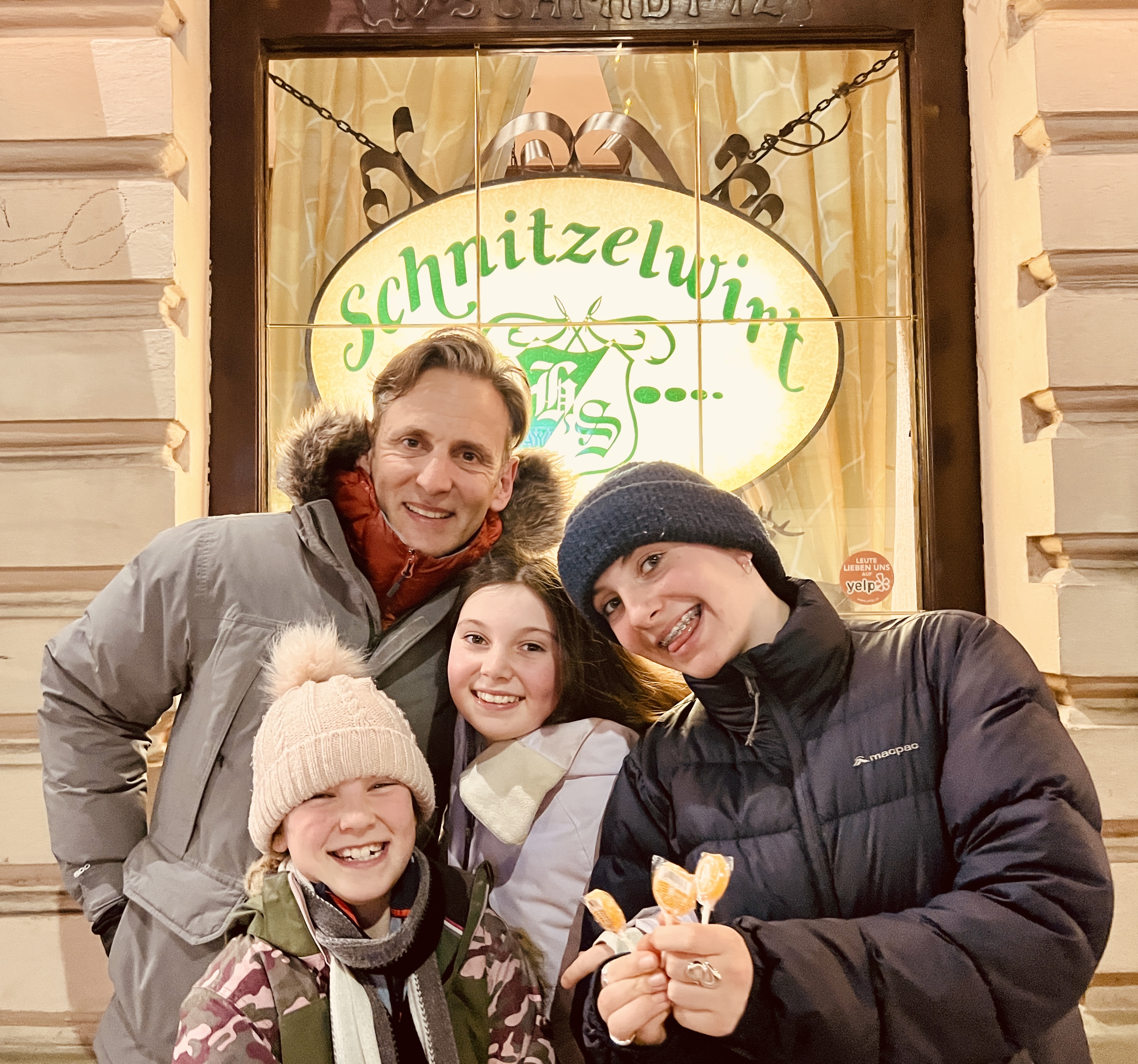
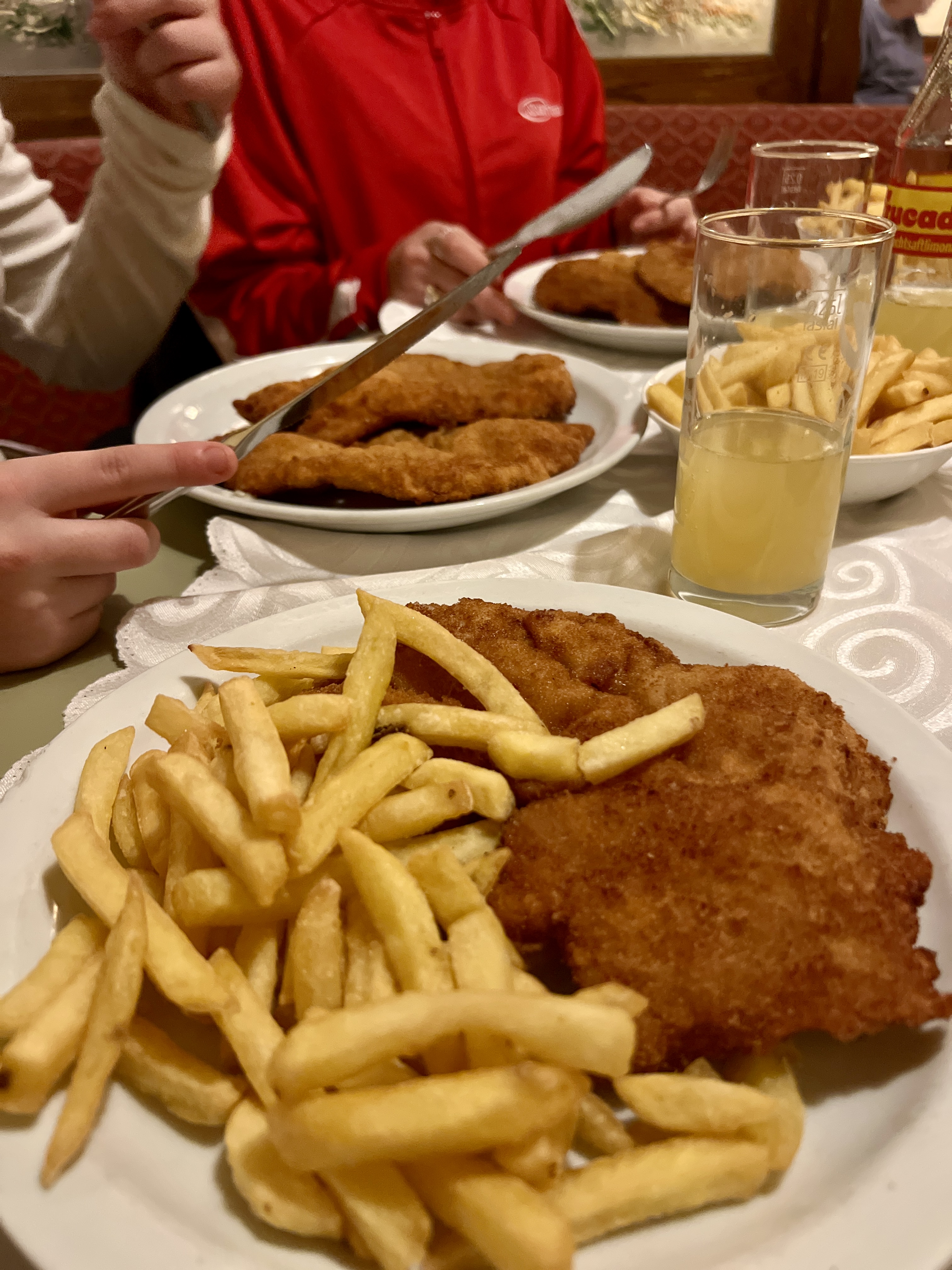
The first night we were there, we went for dinner at the appropriately named Schnitzelwirt – a family run schnitzel house that served schnitzel in all of its forms. It also served both lettuce and cucumber salad, which was the first time we had seen a vegetable that didn’t come from the ground since we started our trip.
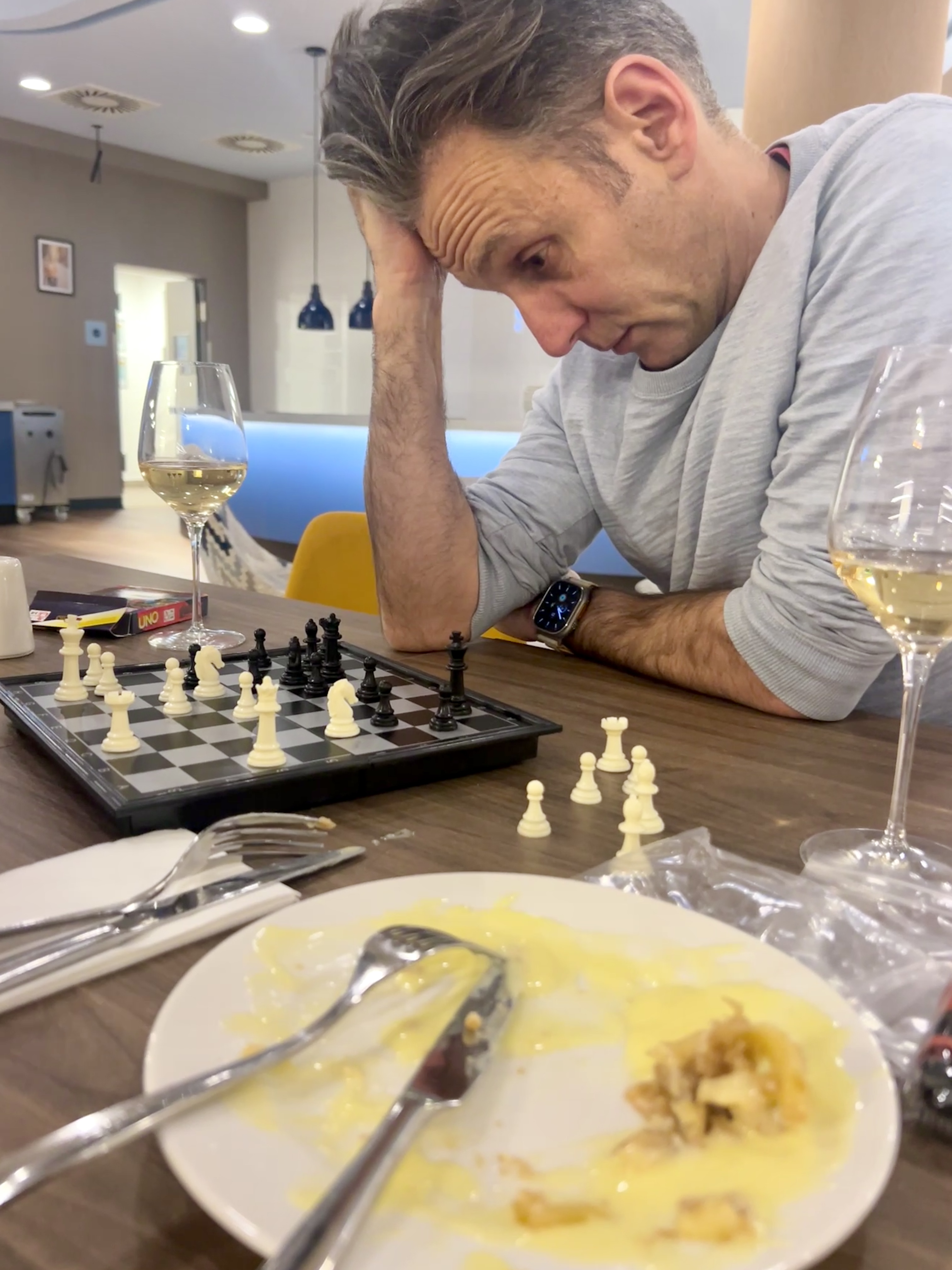
After dinner we went on a strudel hunt – locating the excellent Cafe Kreuzberg where we stopped for strudel and a nightcap. This awesome local bar provided chess and various other games, and soon became the highlight of Sena’s trip, as we spent the rest of the evening playing chess. So fun.
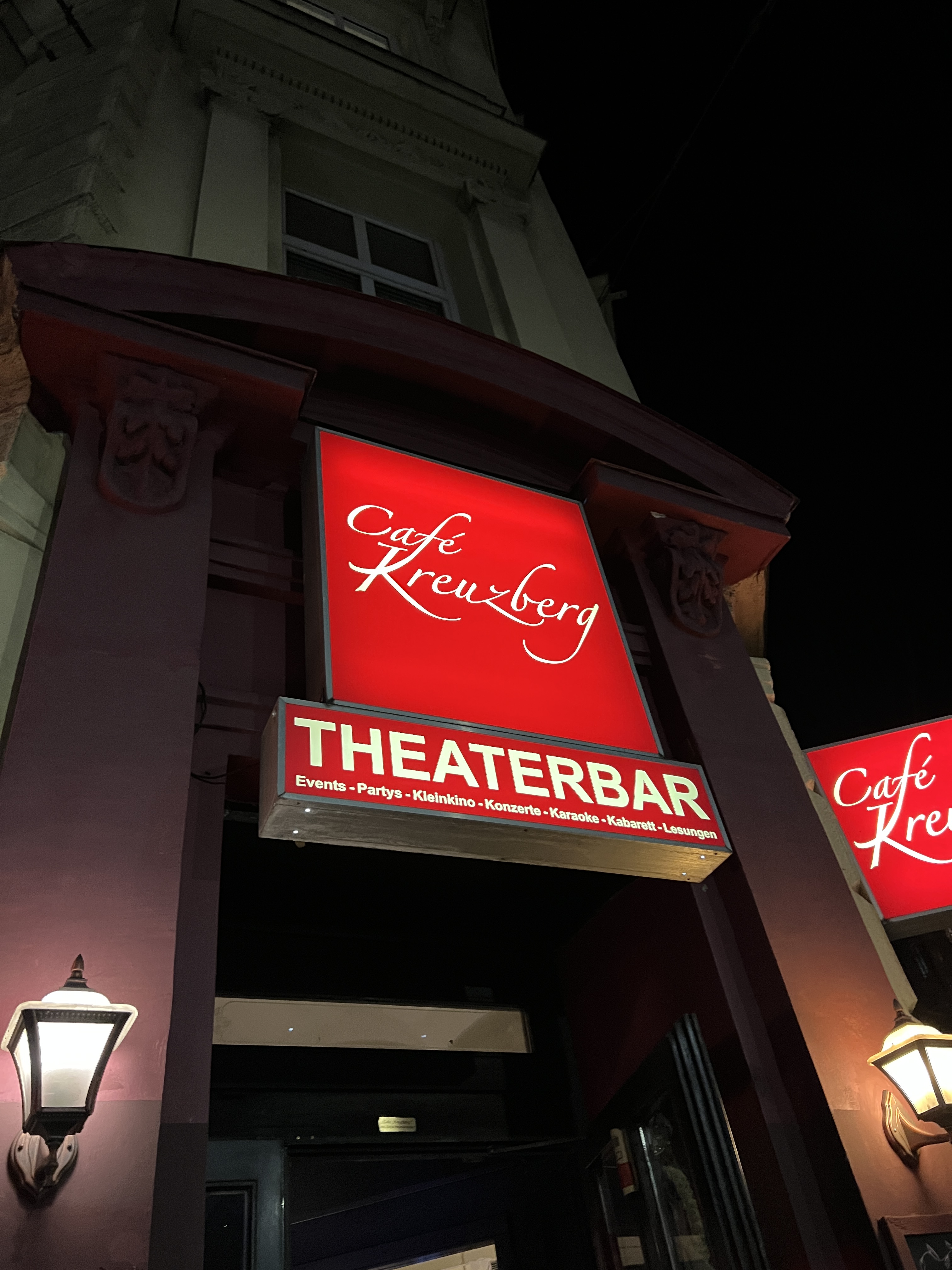
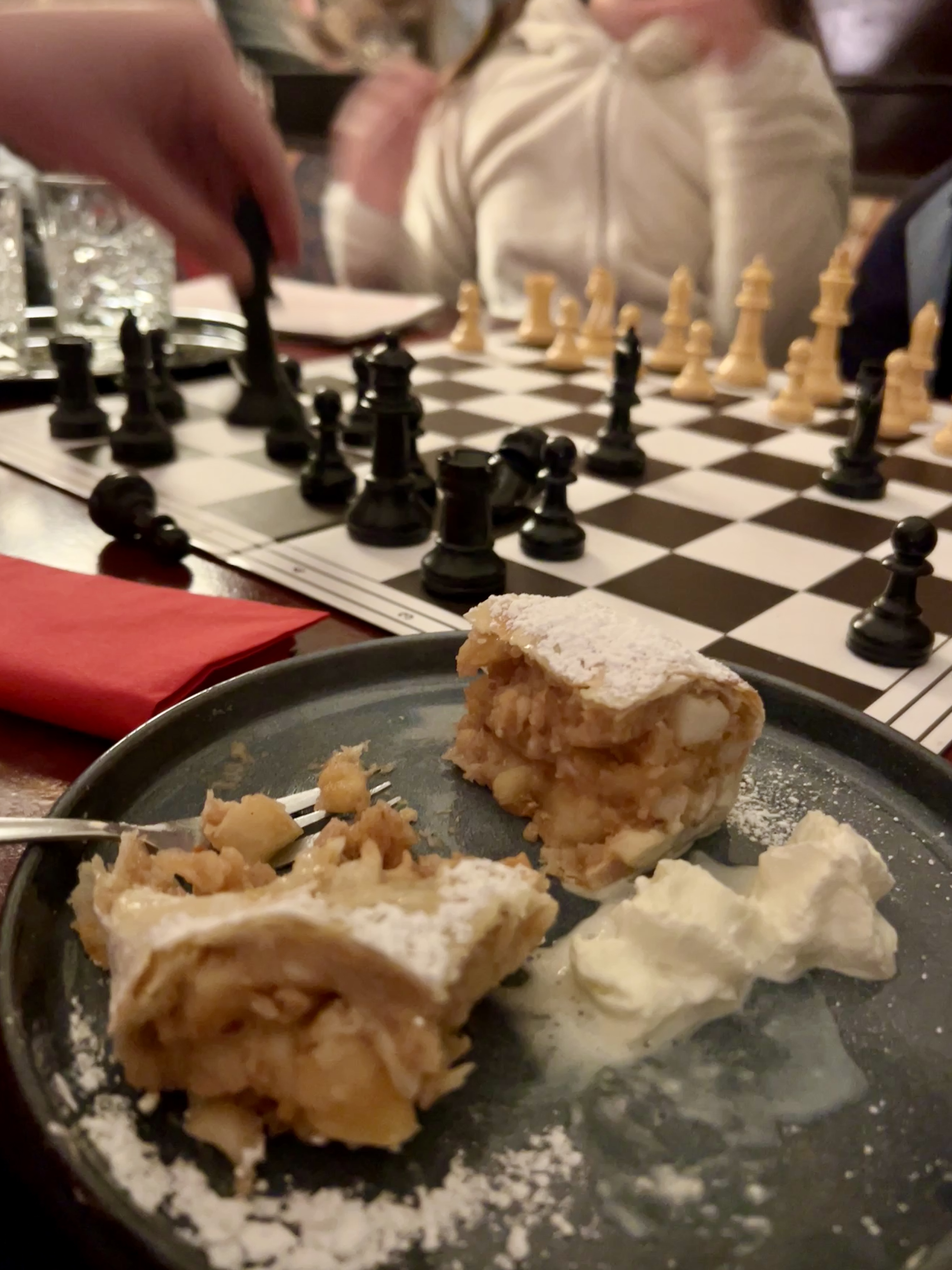
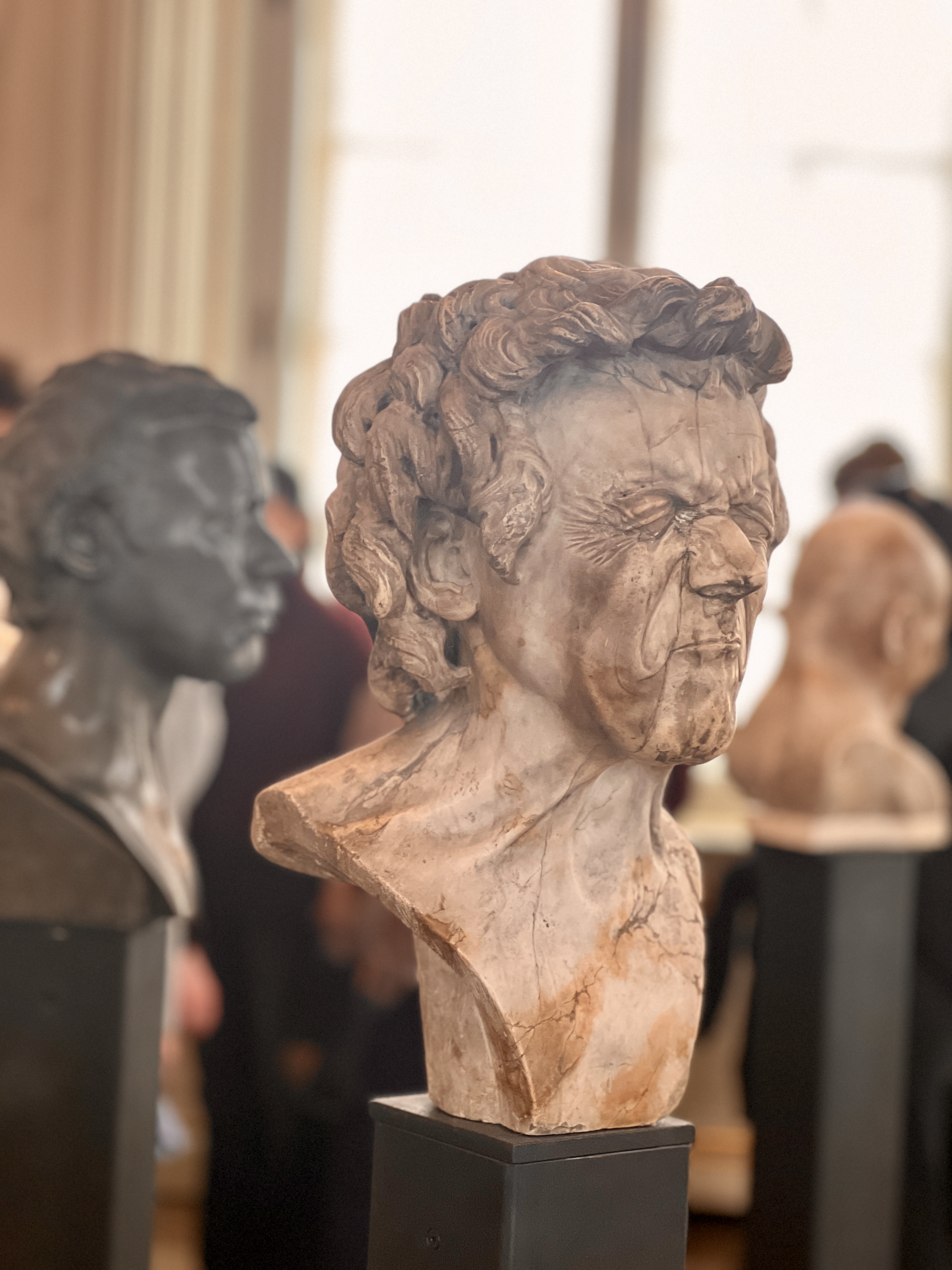
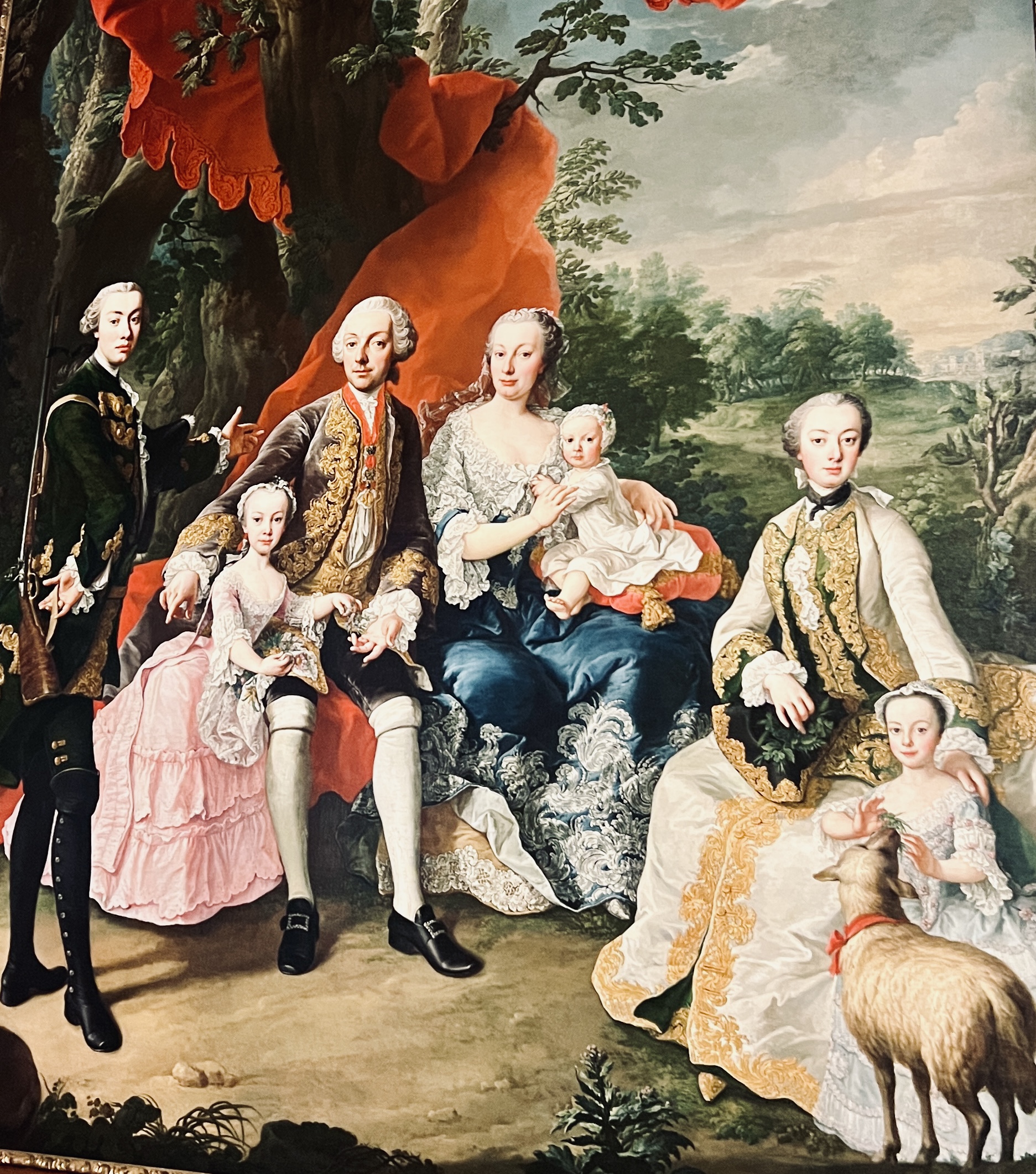
Our second day in Vienna was spent exploring the beautiful Belvedere Palace and art gallery, enjoying the art from Klimt, Monet and others. Not before Sienna hunted down and consumed yet another strudel for breakfast.
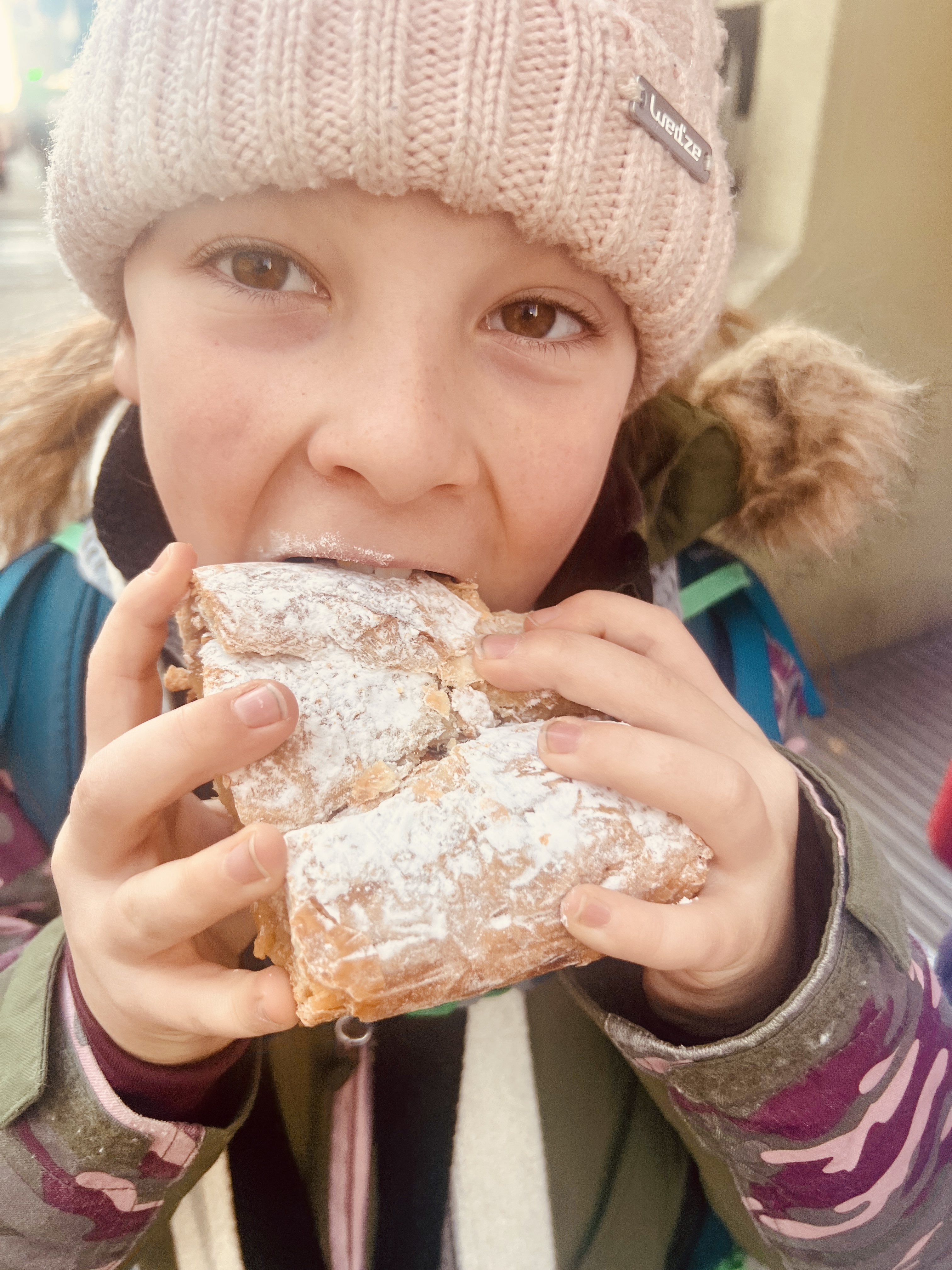
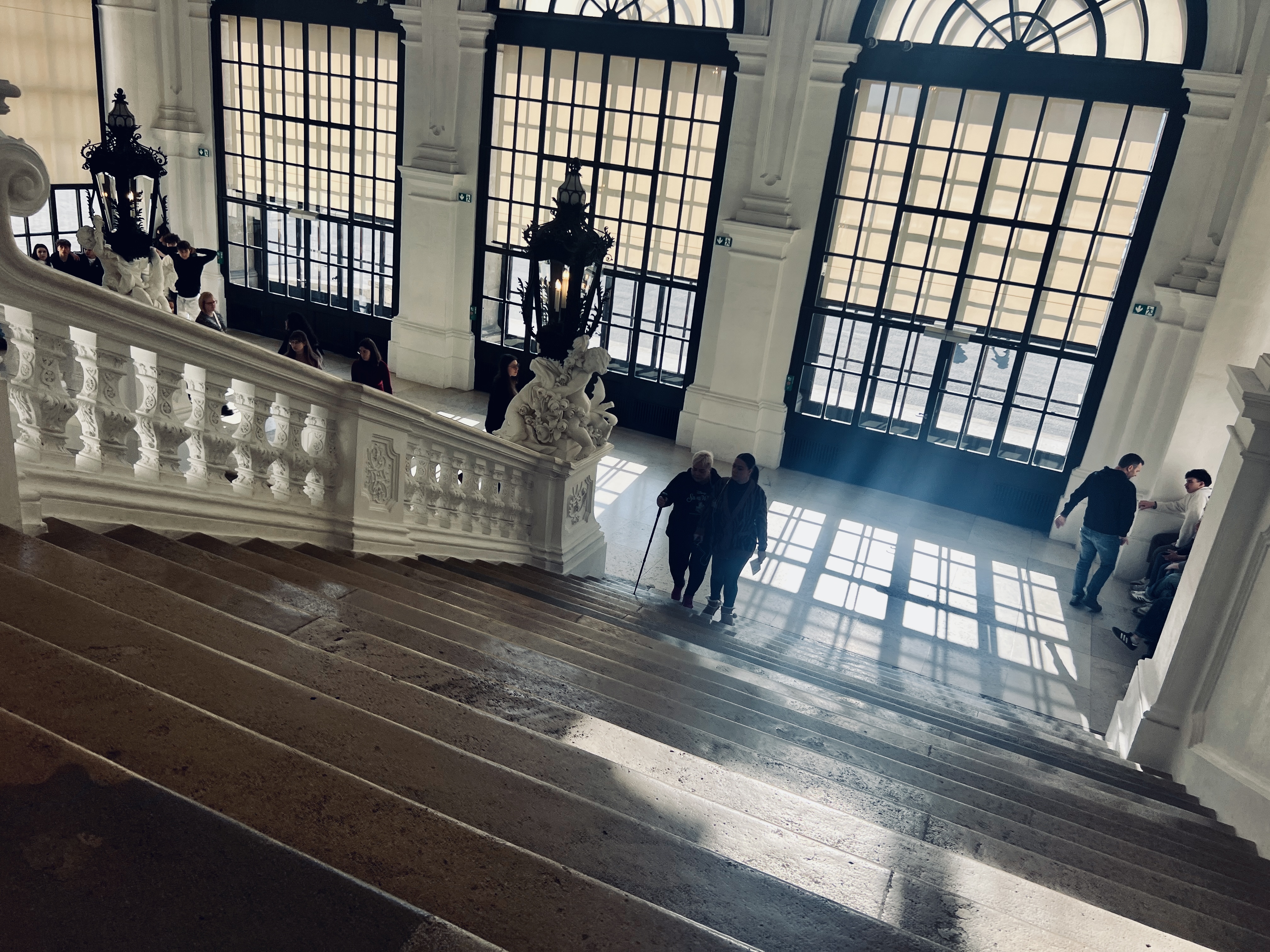
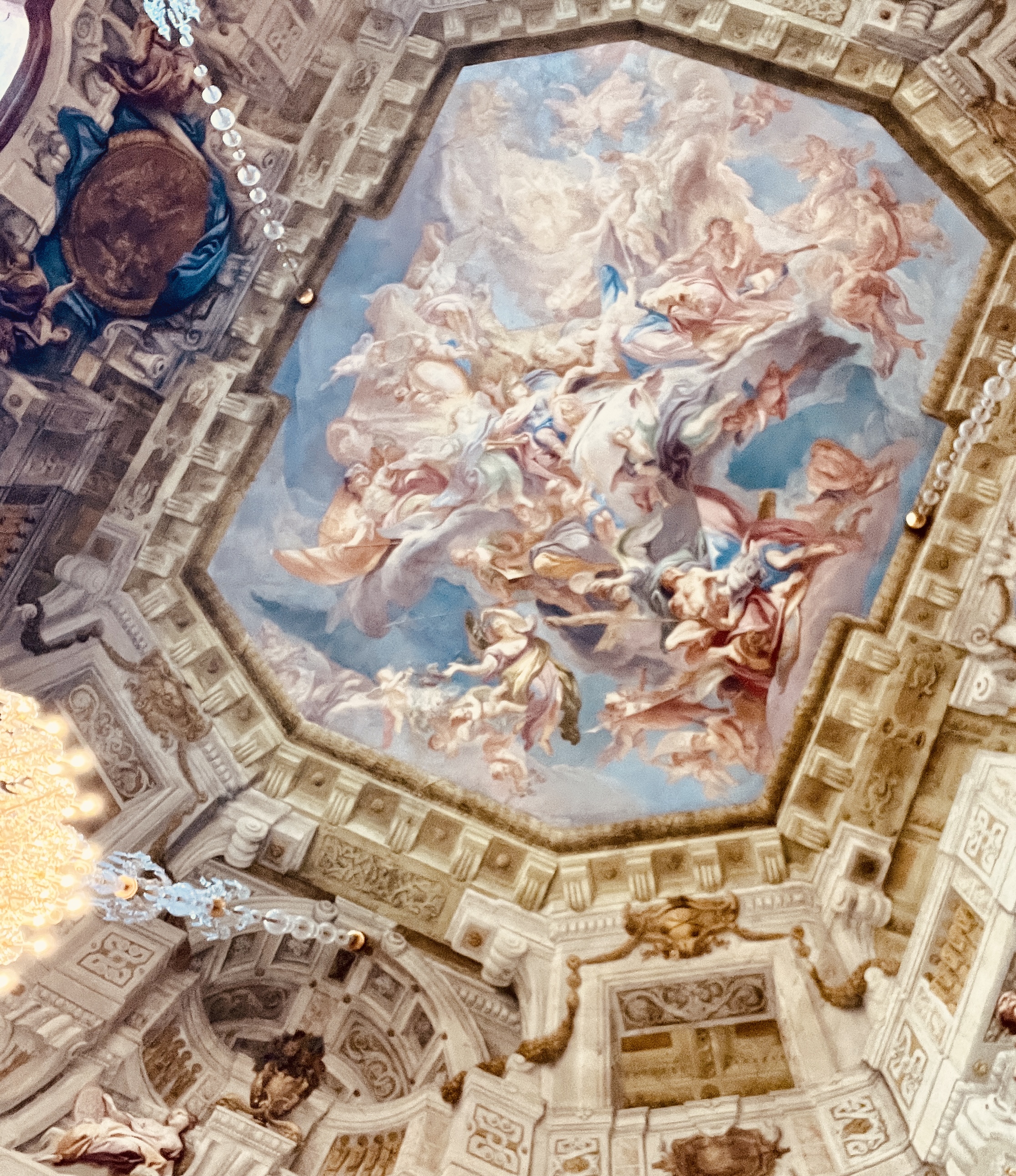
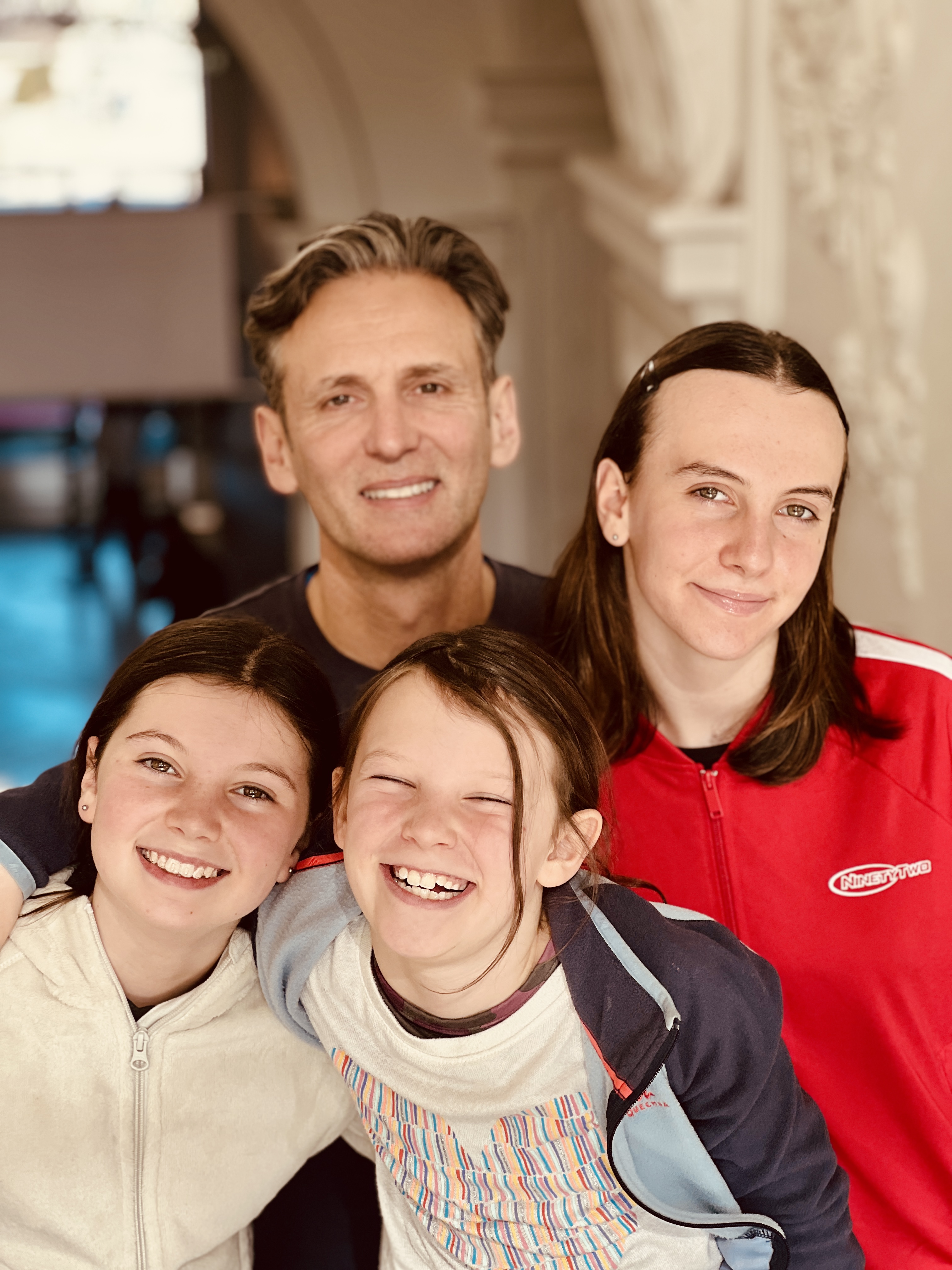
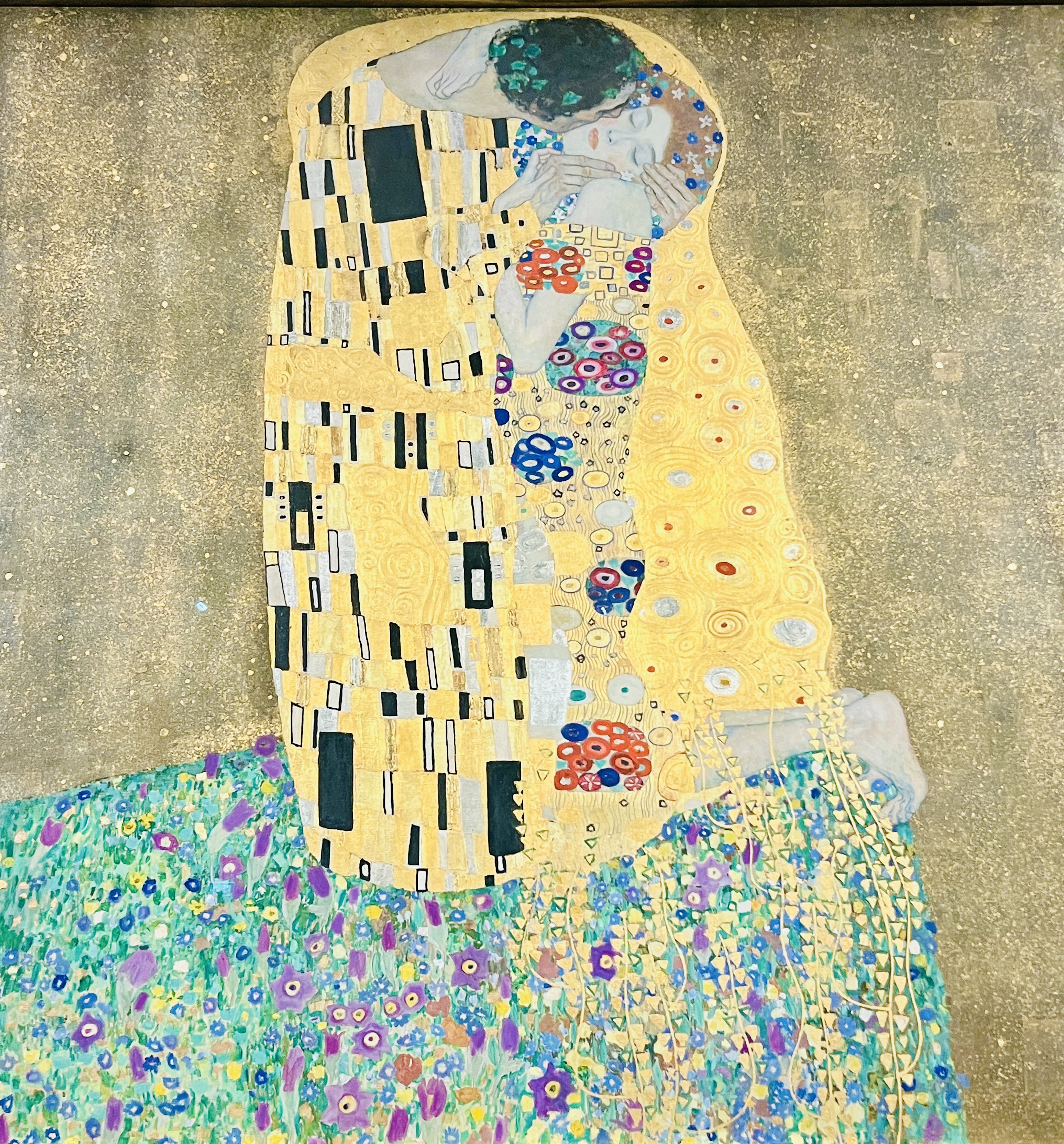
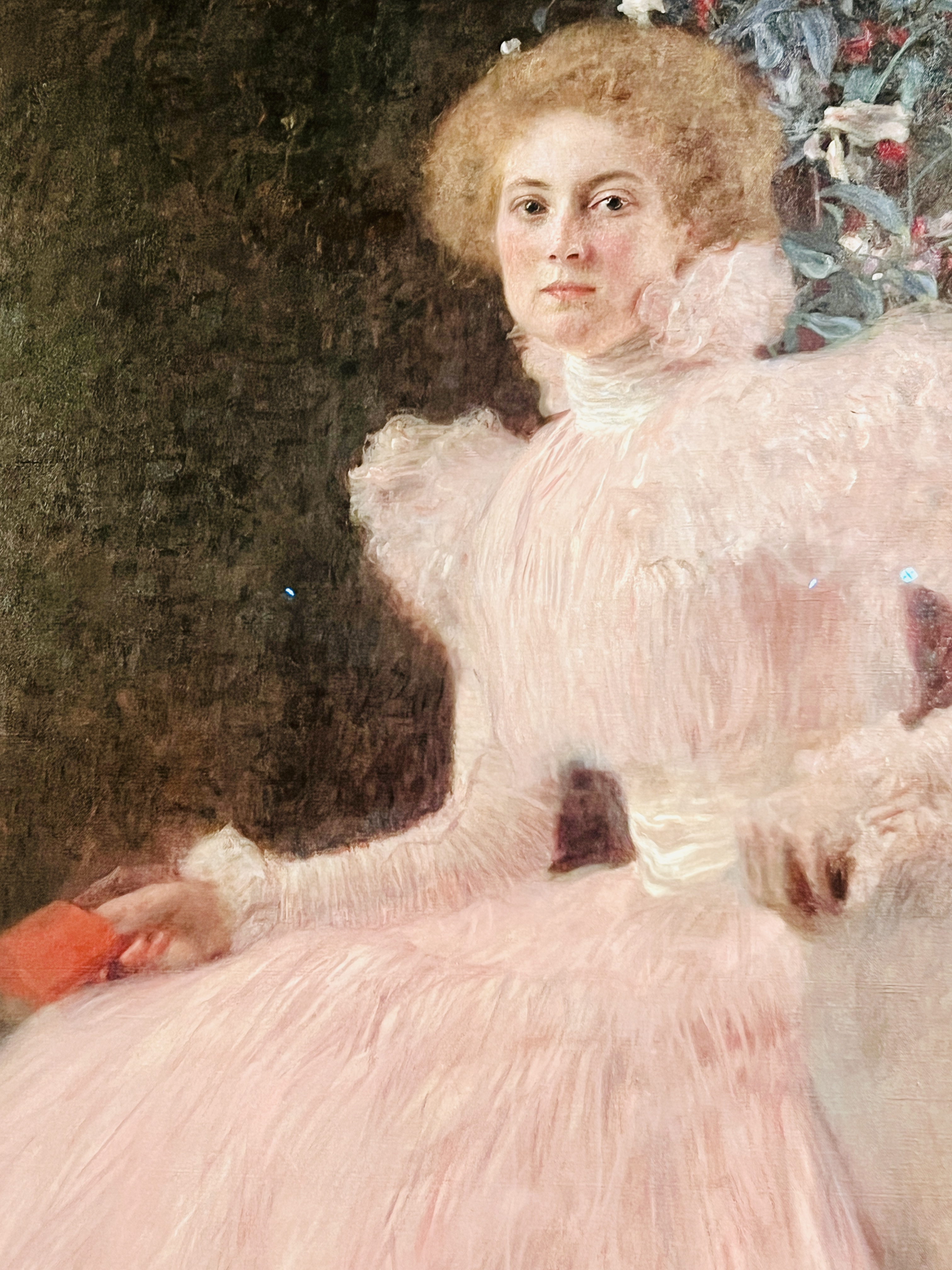
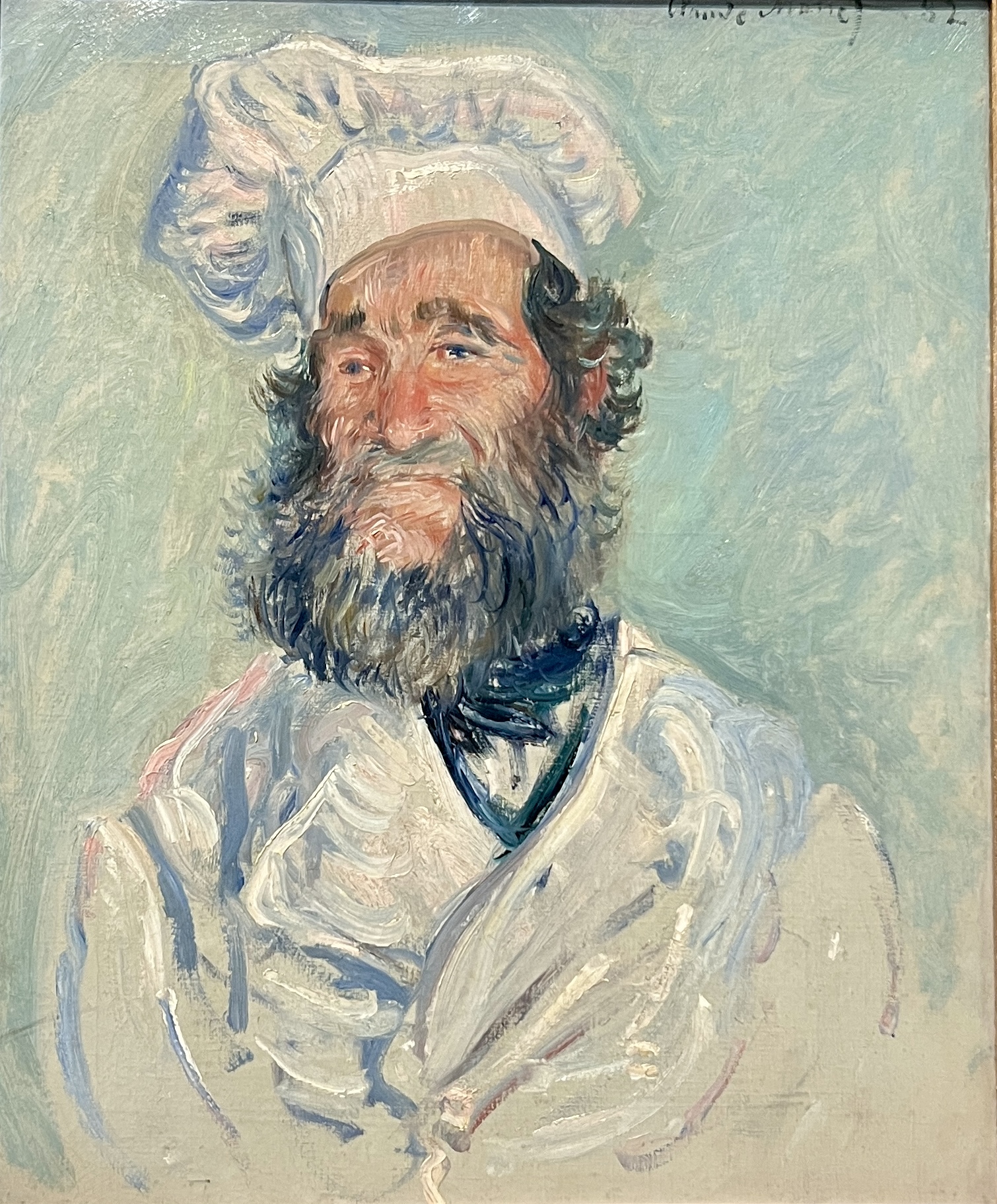
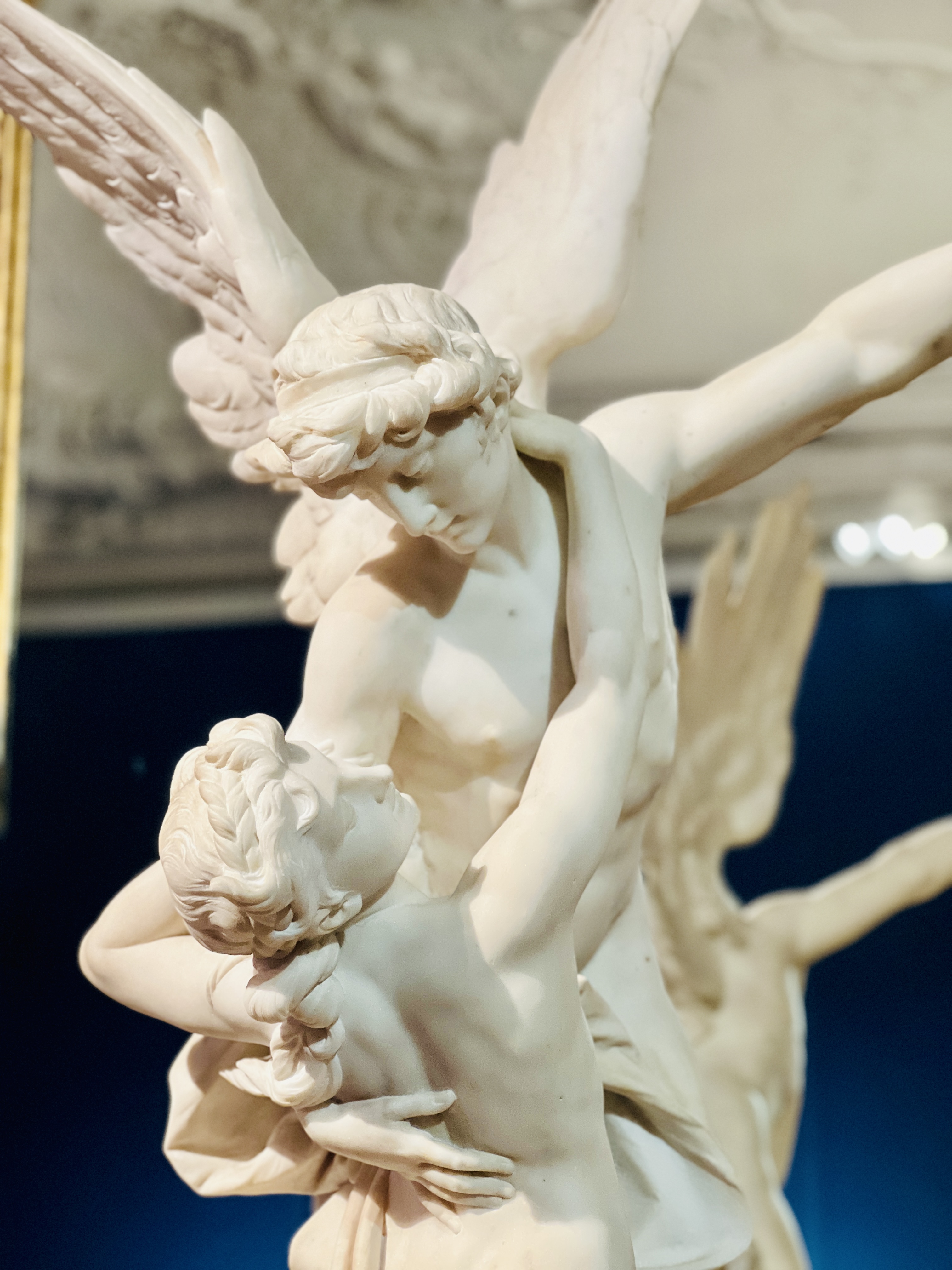
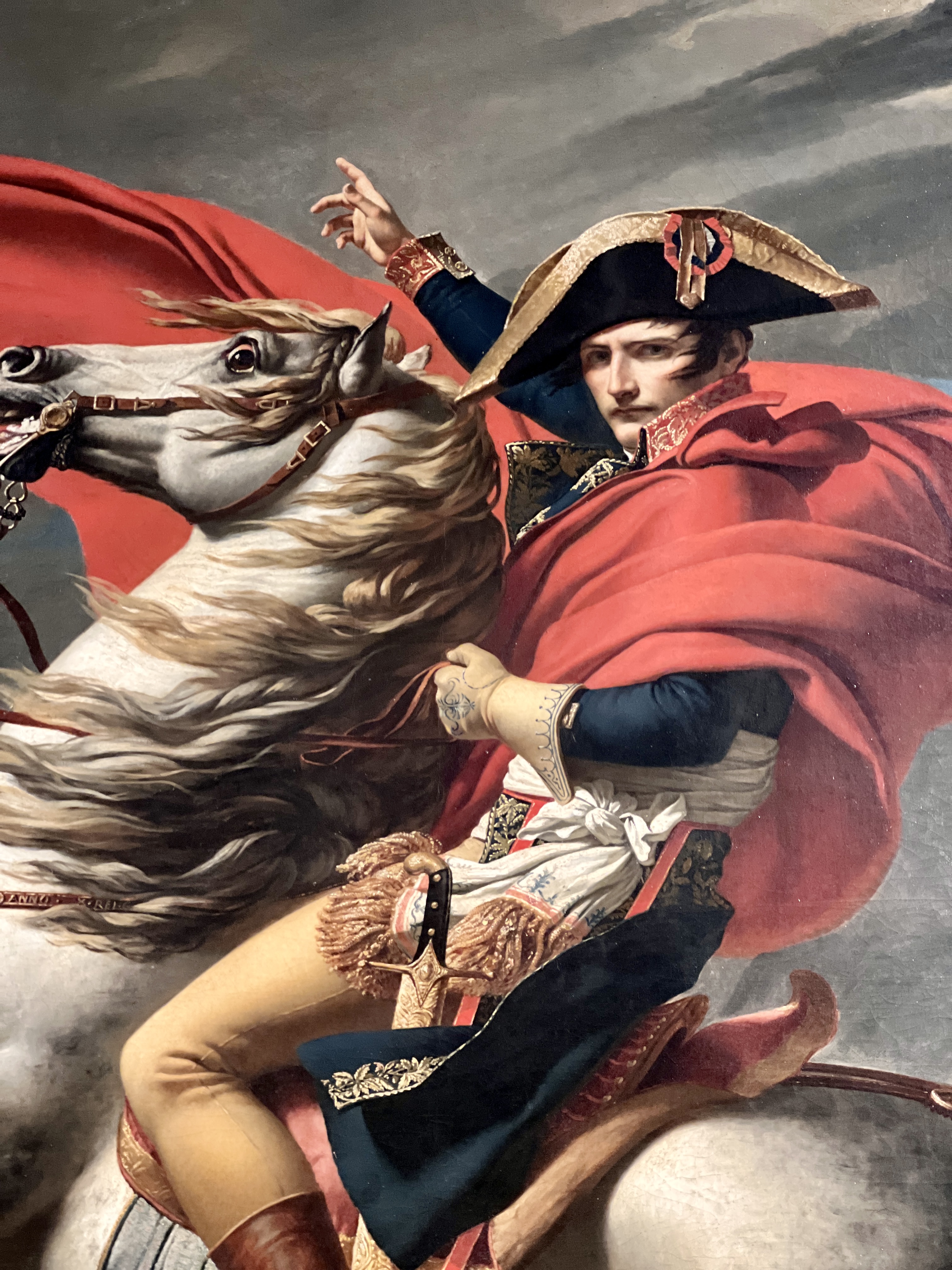
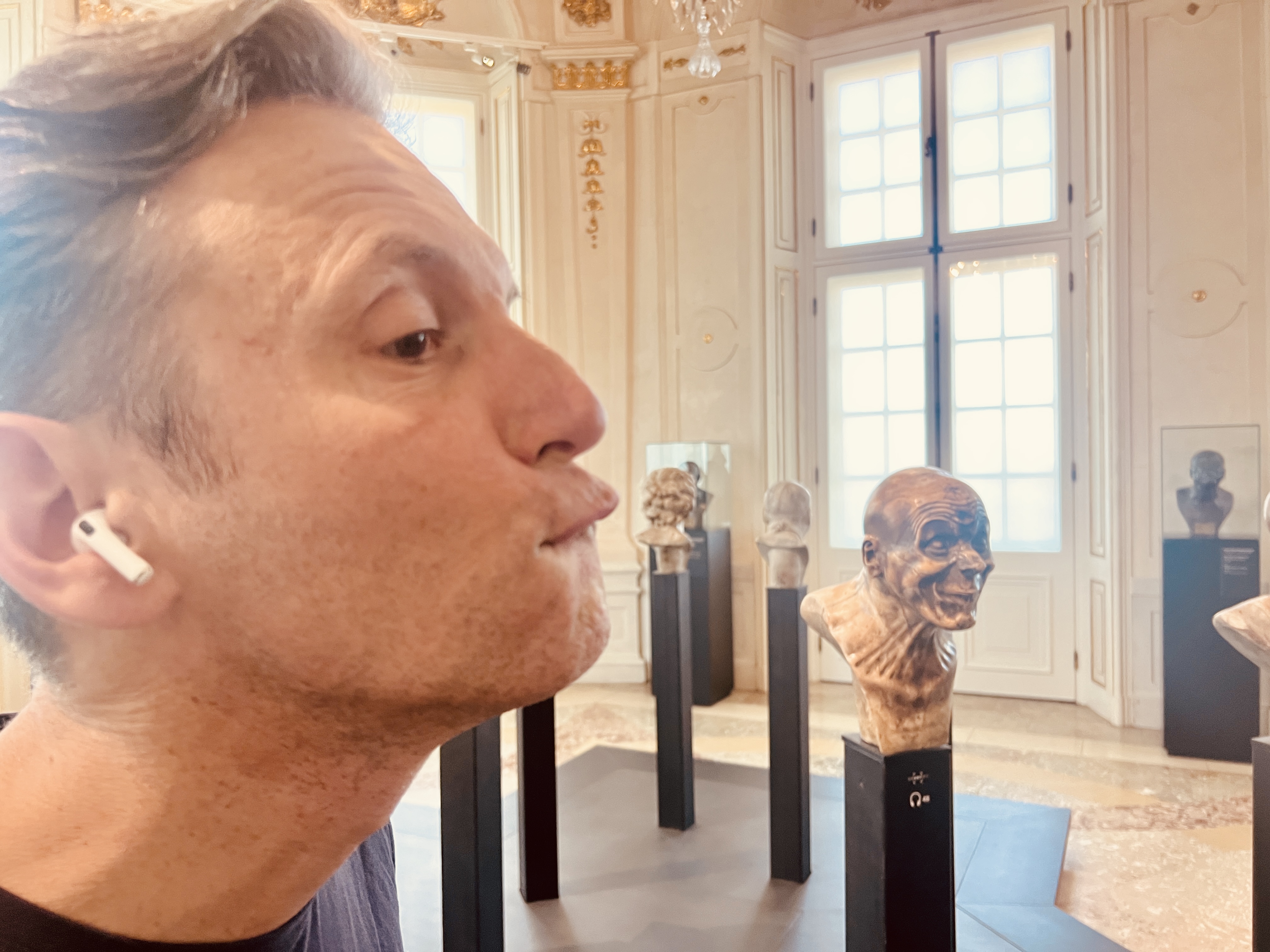
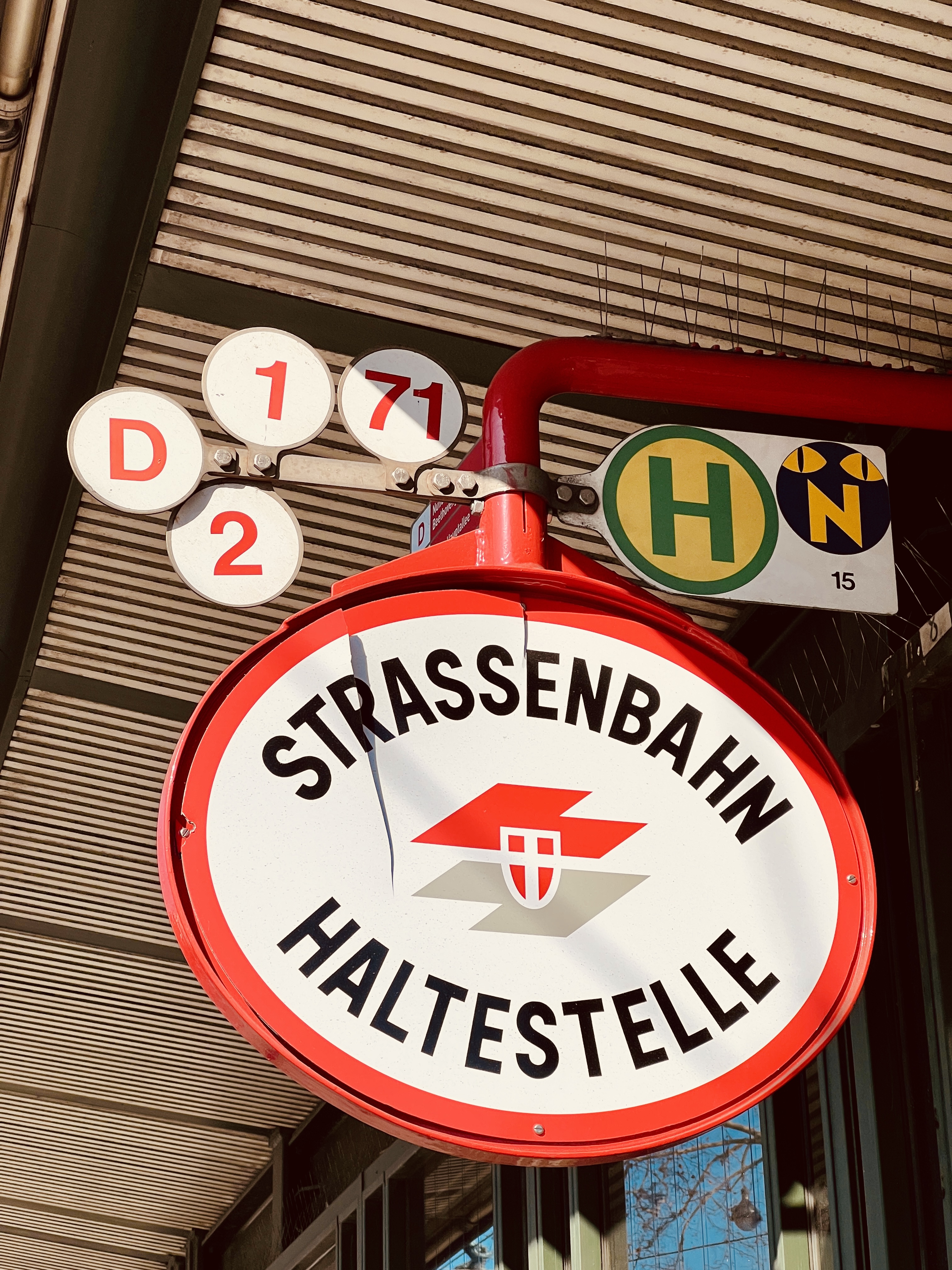
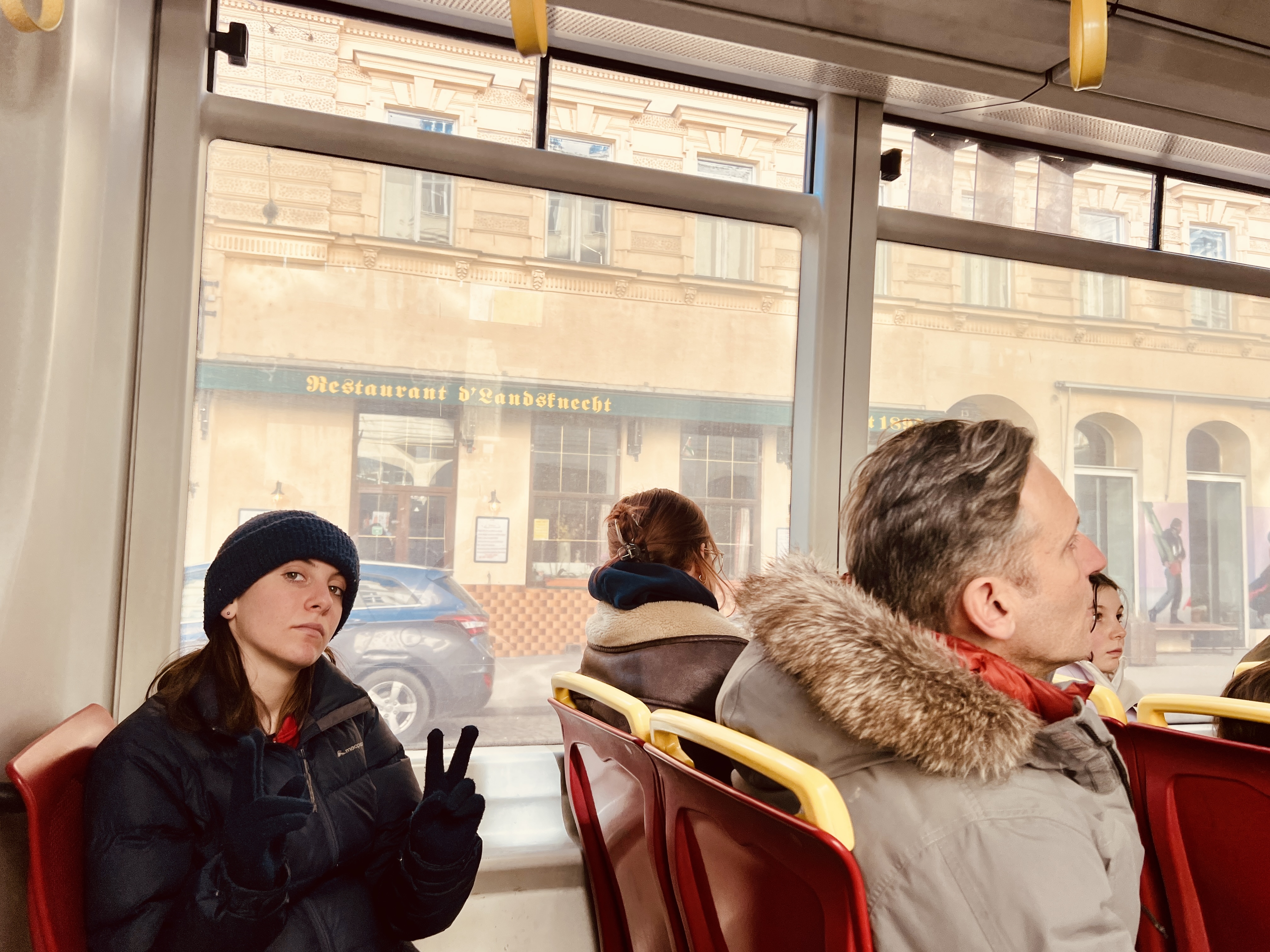
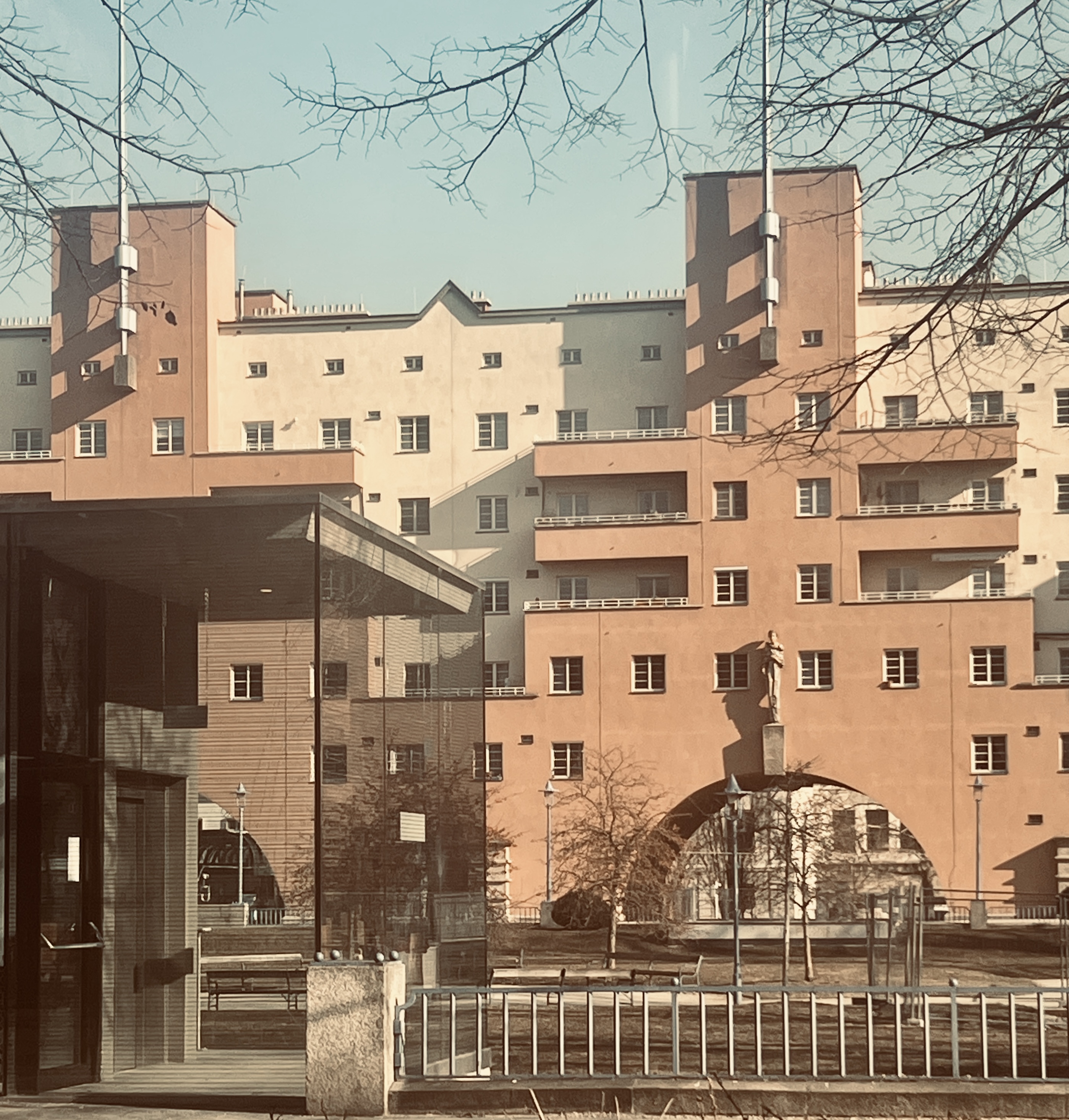
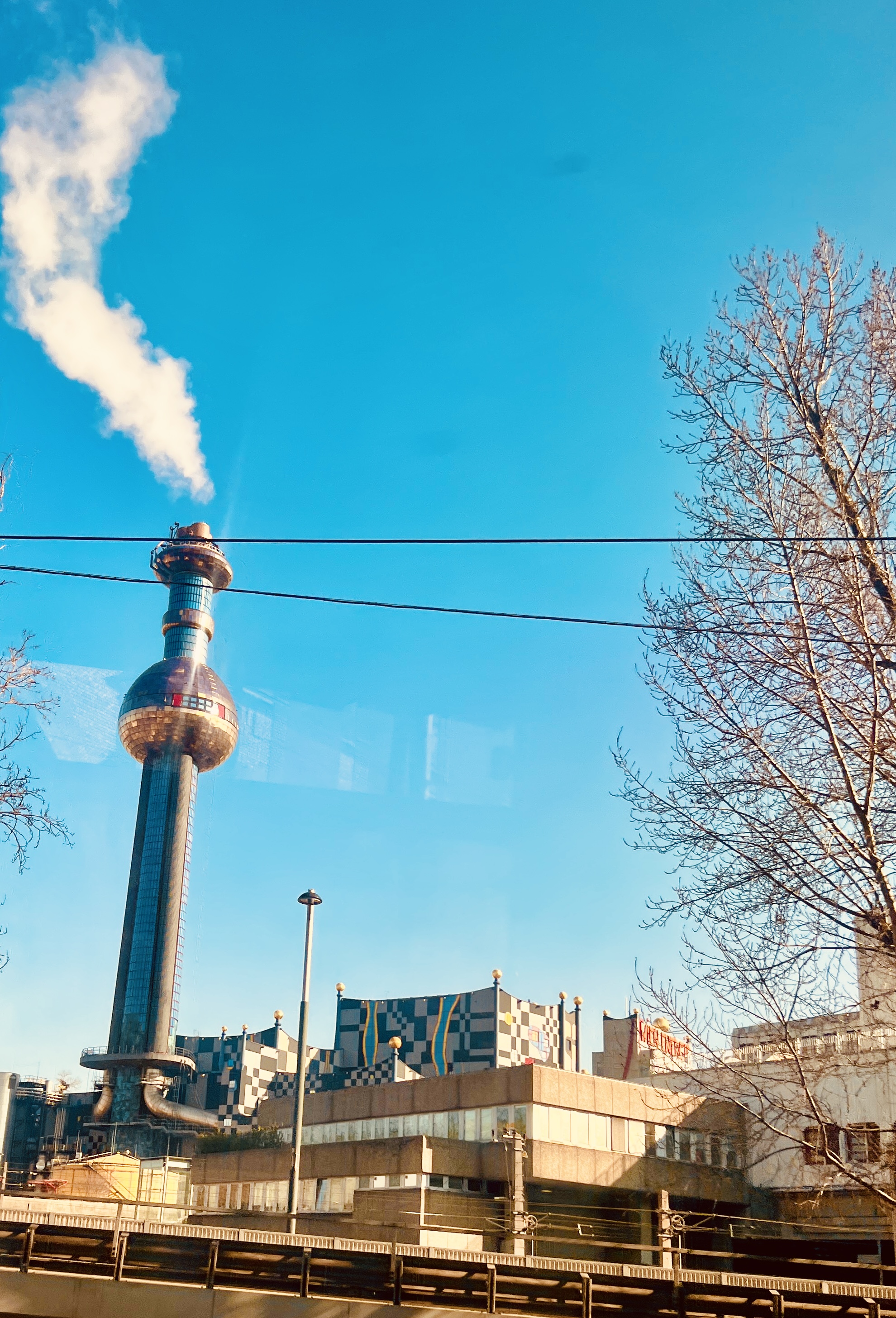
From there we took the ‘D line’ tram through the centre of the city, stopping for lunch at the Rathaus and the best ice skating rink we’ve ever seen before heading out to Nussberg on the banks of the Danube (quite a contrast in architecture compared to the grand palaces in the centre of town), before heading back to the same bar as last night for more strudel and chess.
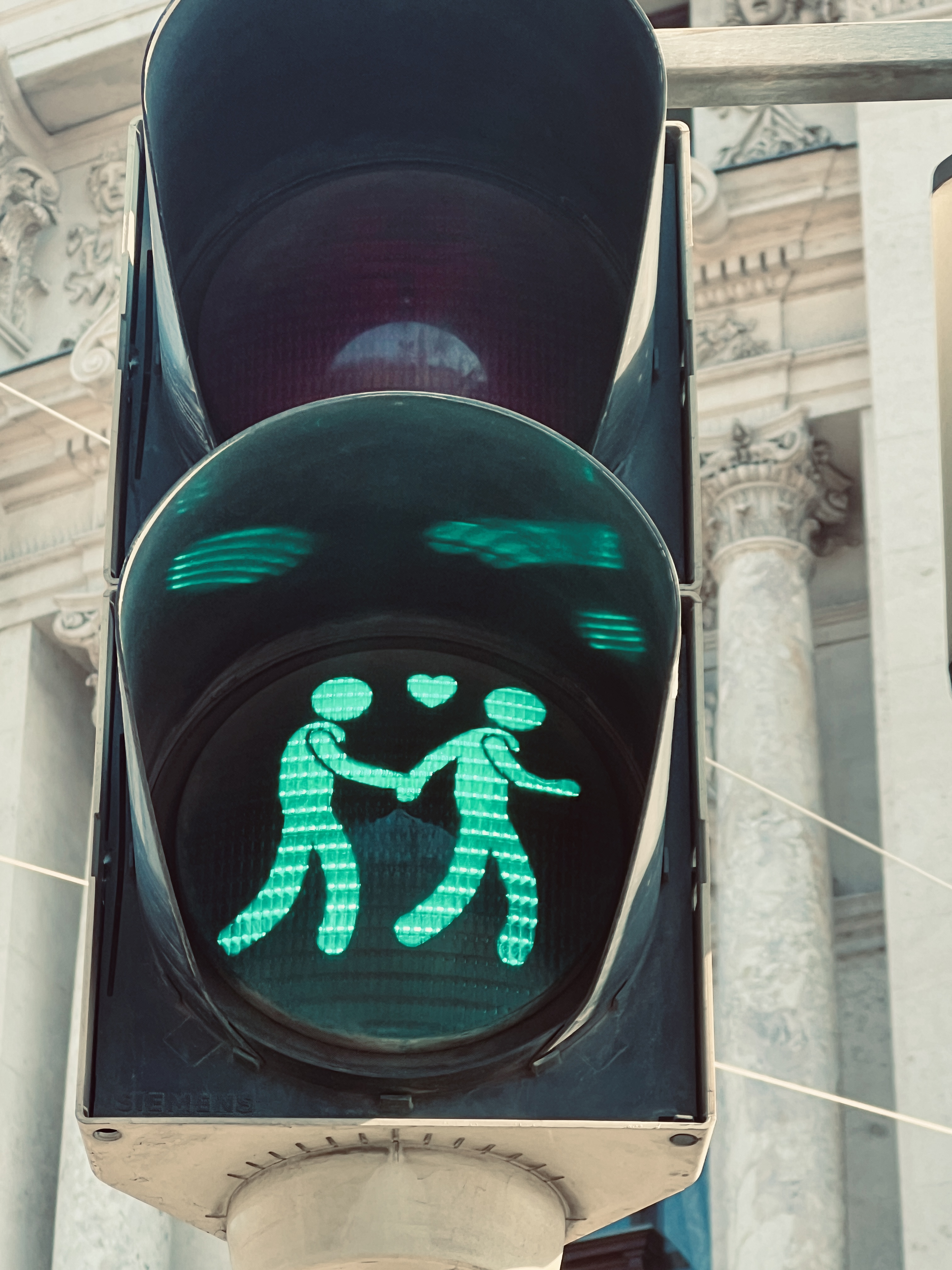
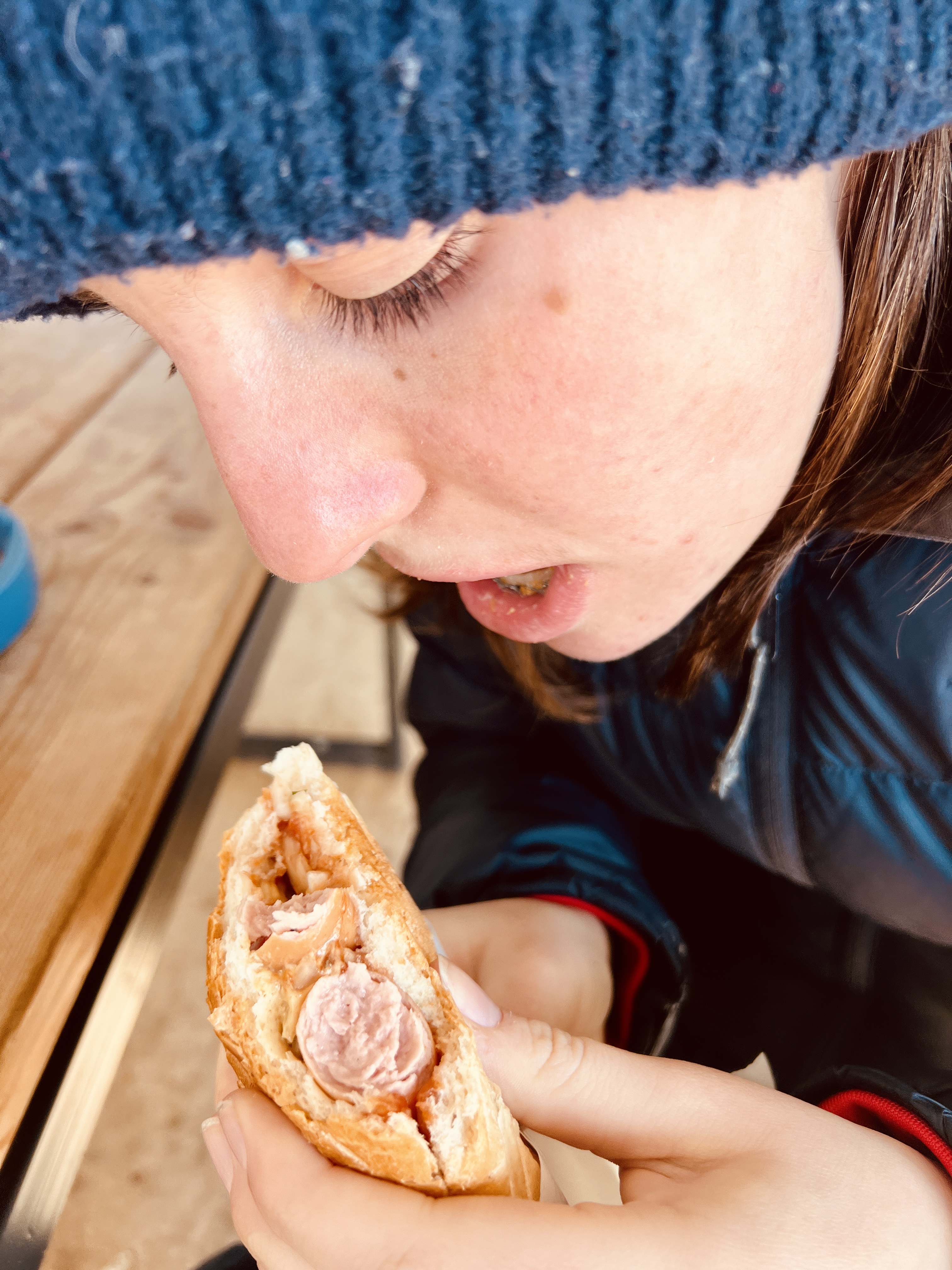
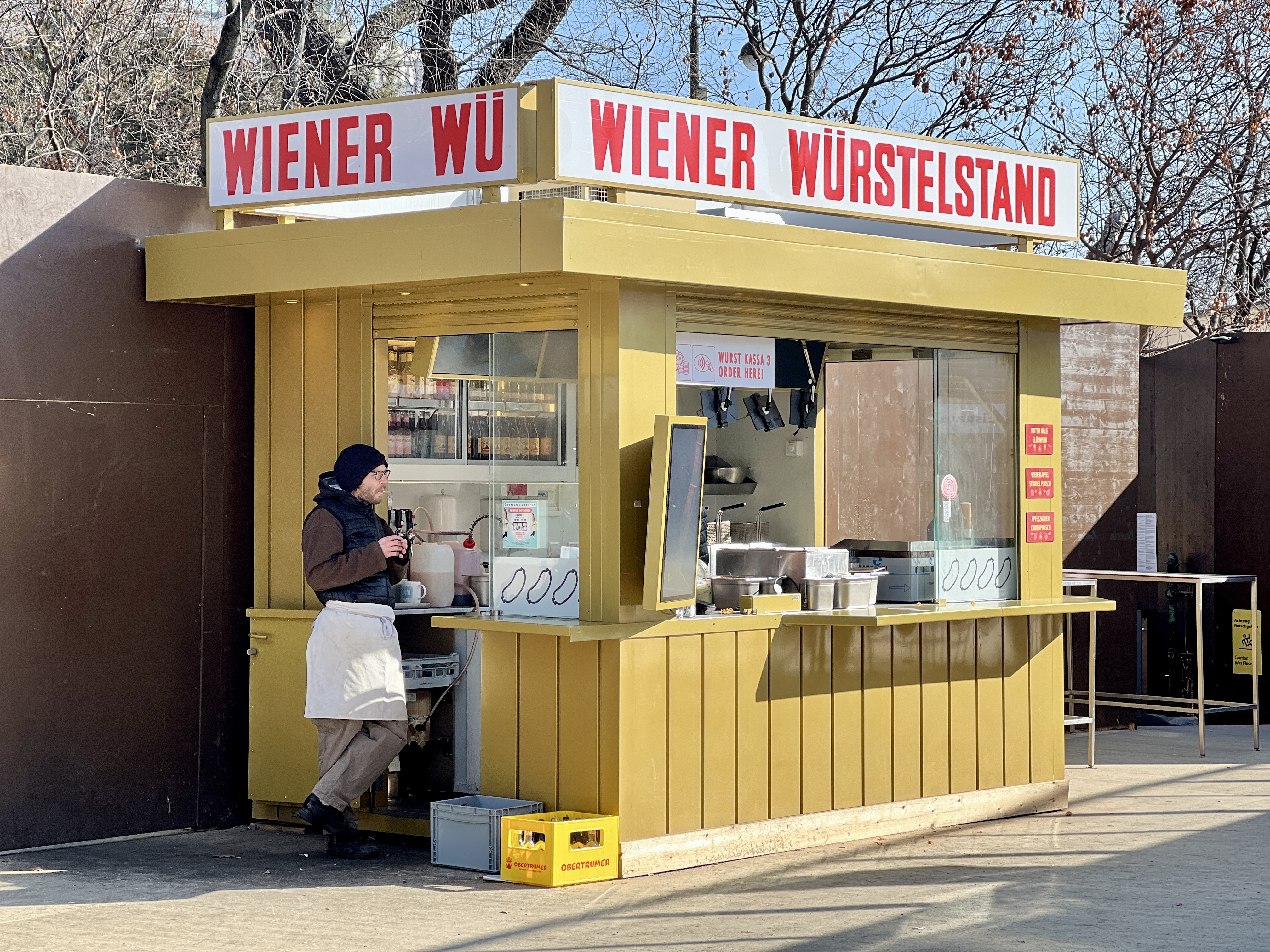

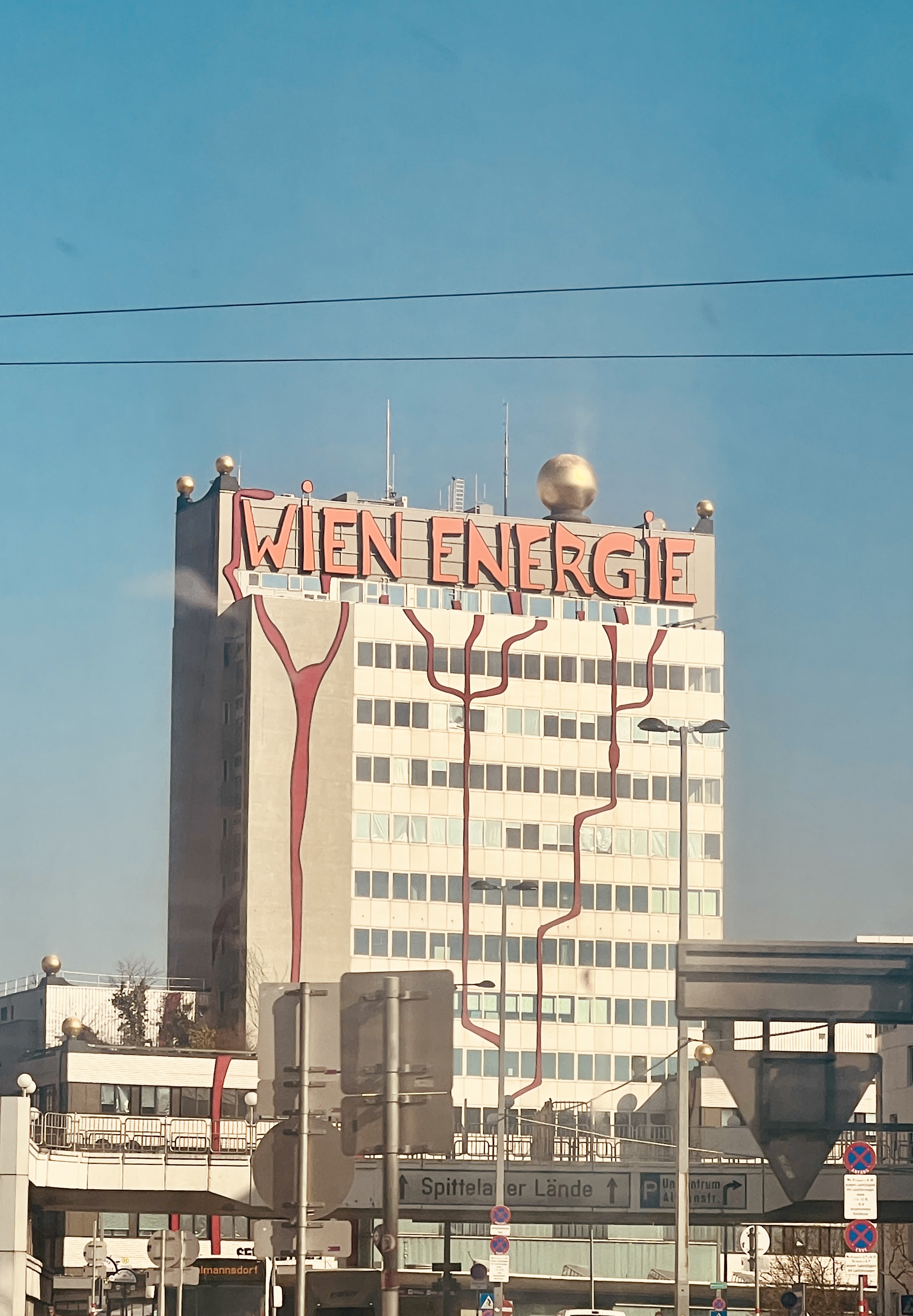
That evening we had tickets for the symphony at Musikverein (home of the Vienna Philharmonic orchestra) – which we were really excited for. The venue was stunning, and everyone it seemed was dressed the part. That is, except for us, as we literally rocked up in hiking boots, week old jeans and thermals… practical backpacking clothes, but not exactly fit for a symphony.
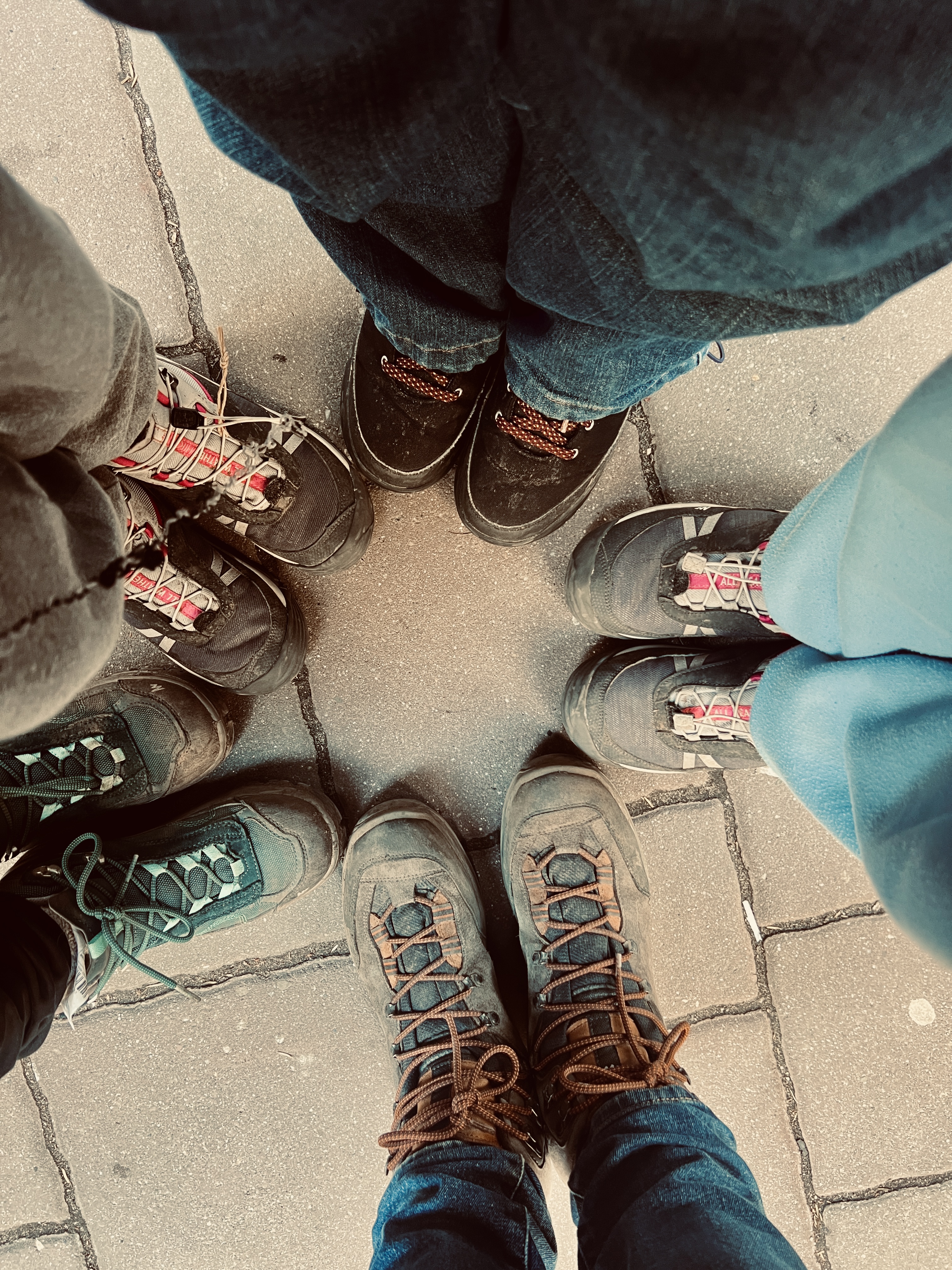
Ellie looked like she wanted to implode with embarrassment. Fortunately no one seemed to really care and we made our way via the bar to our seats.
It turns out that the first ‘piece’ was a recital of a poem about Napoleon, backed by the 70 piece orchestra and lead pianist. In his effort to sound dramatic, the narrator unfortunately managed to lose the meaning of the work and turned it into mish mash of non sensical words and sounds, backed by an increasingly excitable orchestra. Liz and I looked at each other out of the side of our eyes as the kids fidgeted. Not a great start.
Fortunately for us, after 20 mins or so, the narrator sat down to a smattering of applause, and the odd narration was replaced by the 70 piece symphony and grand piano playing Beethoven’s Concerto for Piano and Orchestra No. 5 in E flat major op 73. The music was wonderful and the kids were transfixed watching the pianist’s (Kirill Gerstein) hands fly over the keys, supported by the violins in perfect sync and the conductor looking like he was about to fly away.
Just before interval our narrator returned (much to our dismay at the time) and then started belting out an operatic piece about Fascists (assuming my dodgy German translation is correct) which was actually awesome. It turns out he could sing better than he could narrate.
Post intermission we were treated to another Beethoven Symphony No. 3 in E-flat major op. 55 “Heroic” which was equally wonderful as the first, albeit this time without the piano.
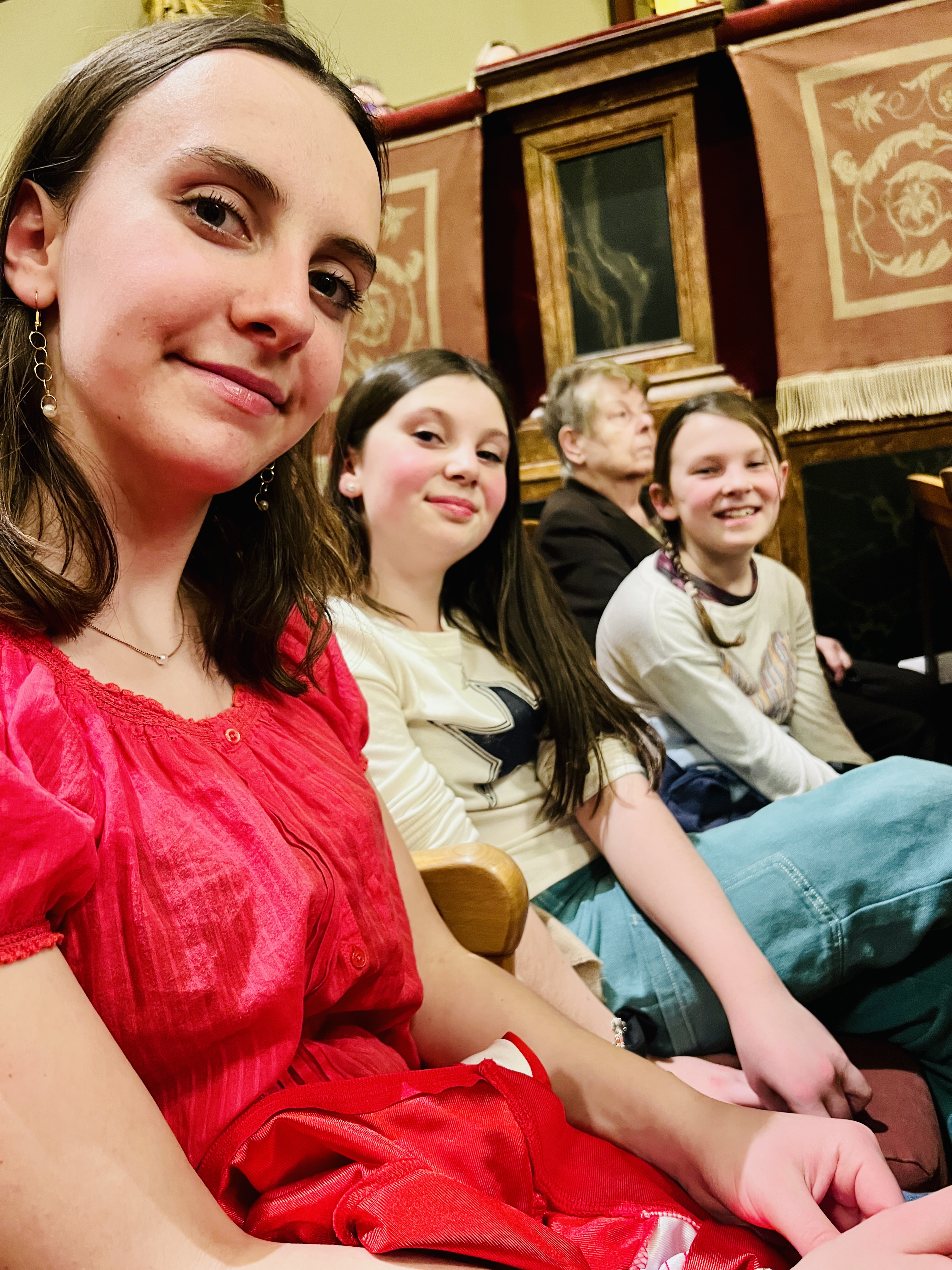
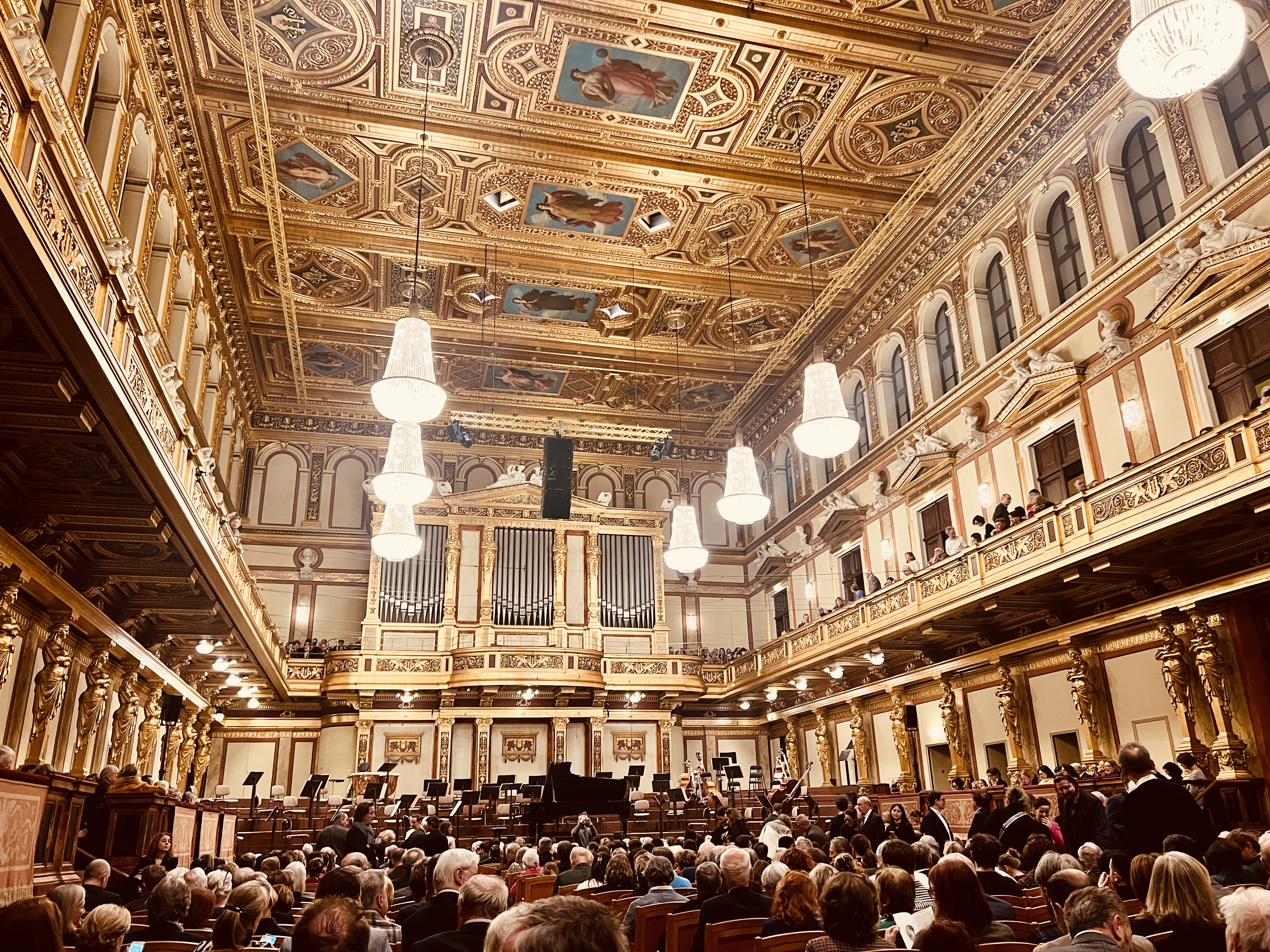
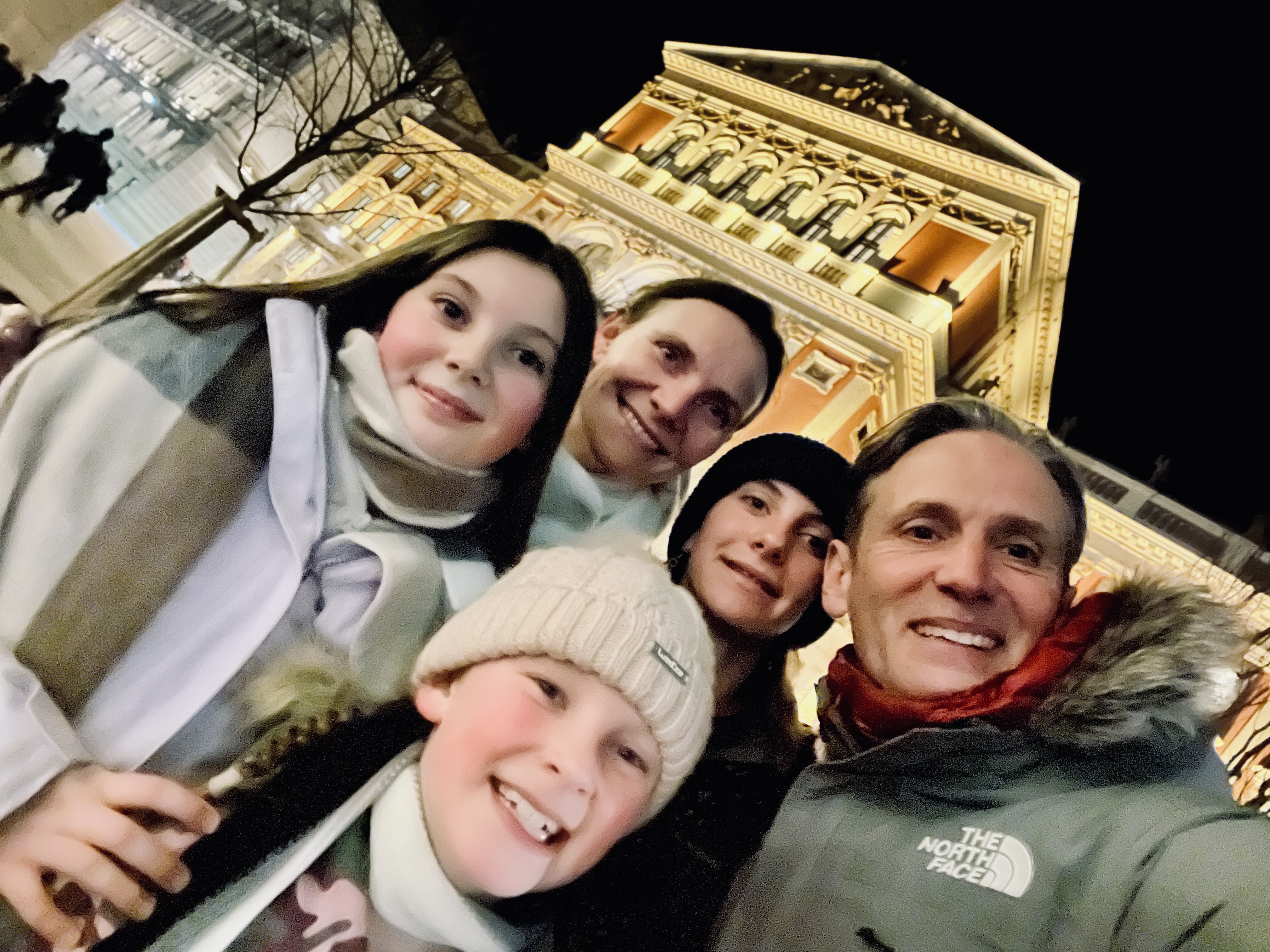
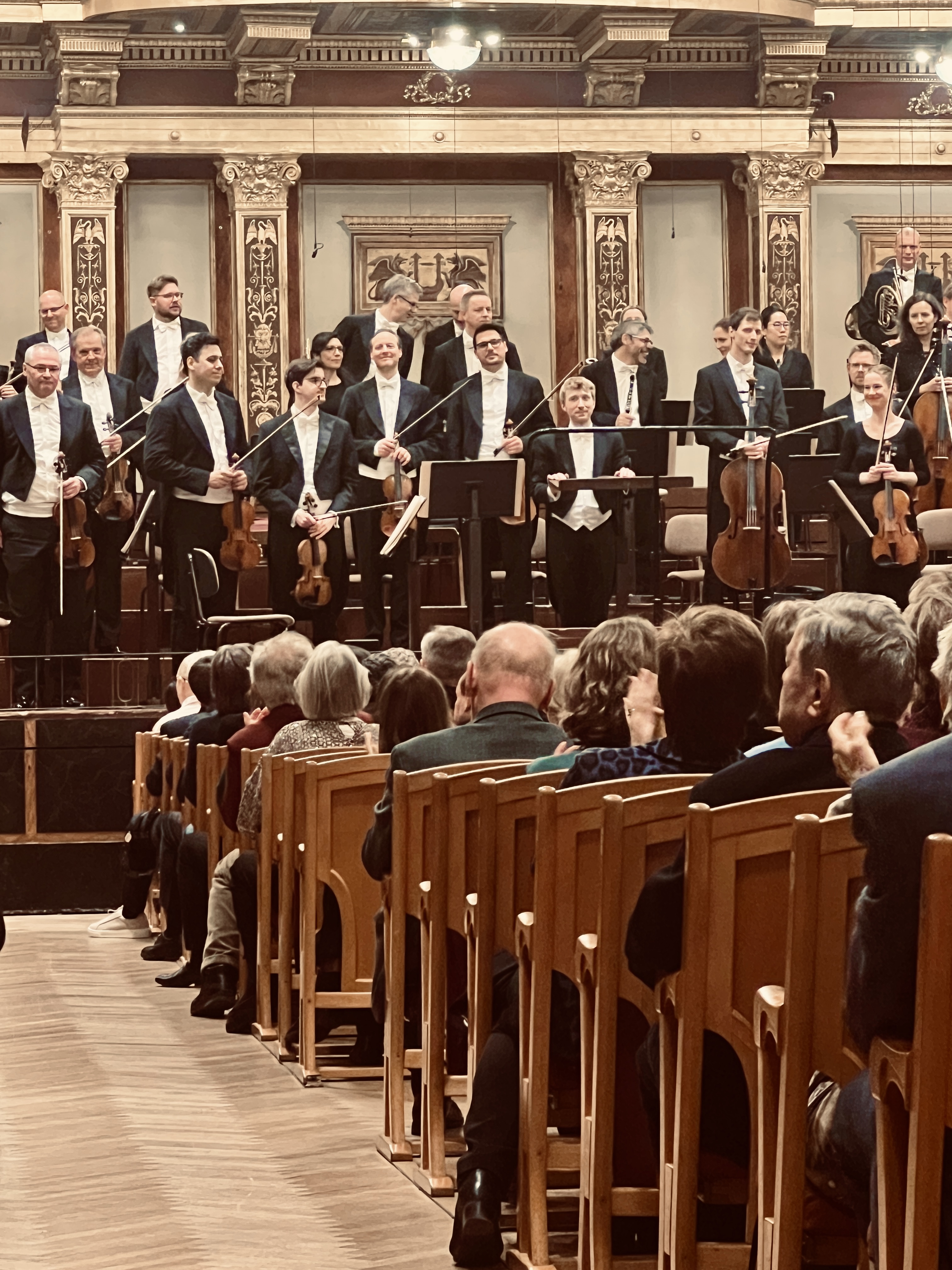
And then it was over. The kids were buzzing as we jumped on our D tram home, delighted with our brief but lovely drop in to Austria.
Budapest
The following morning we made our way back to the train station, making a quick stop to purchase the all important fridge magnet for Wien. From there it was on to the last train journey of our trip, the 2.5 hour hop to Budapest.
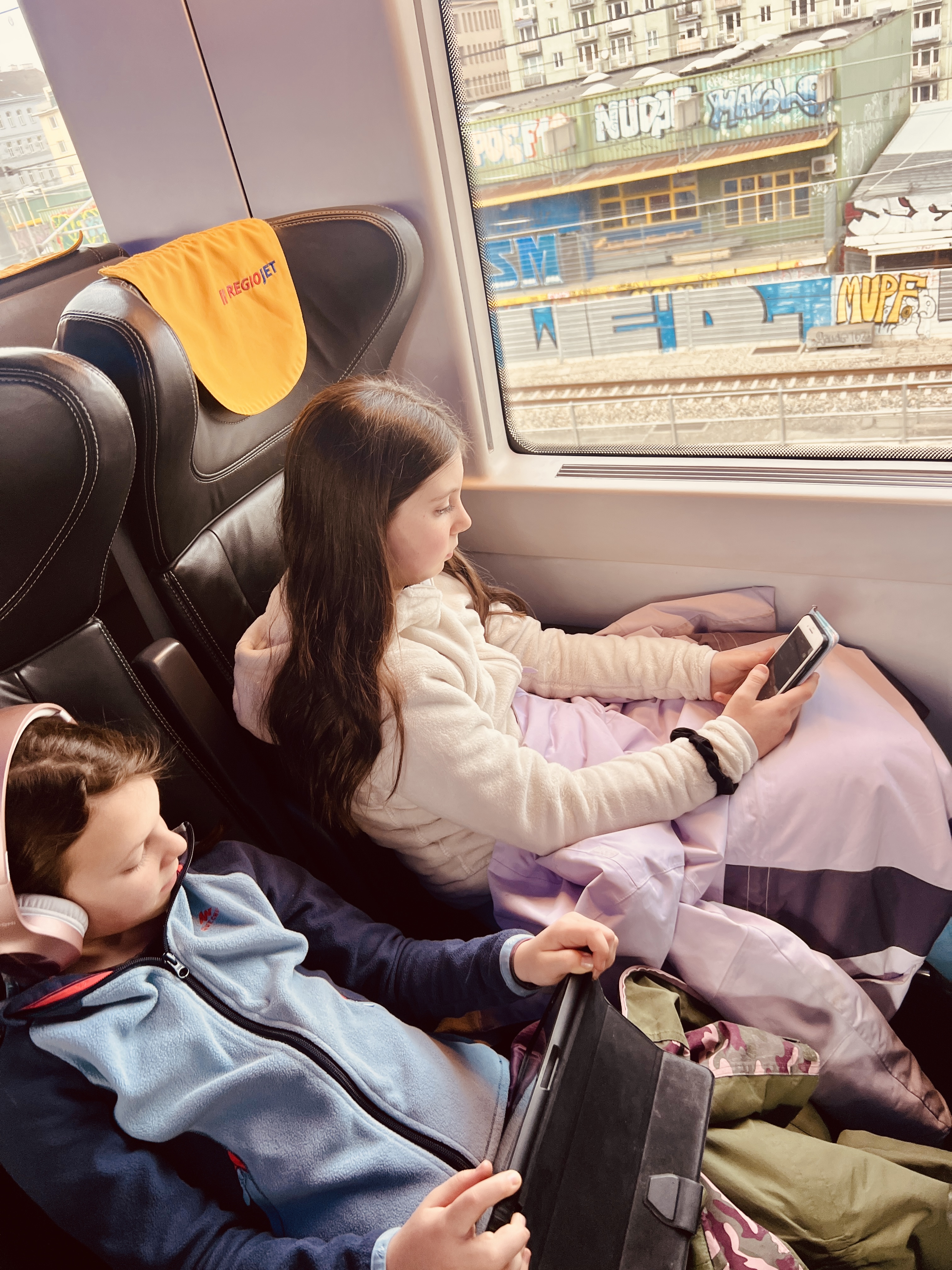
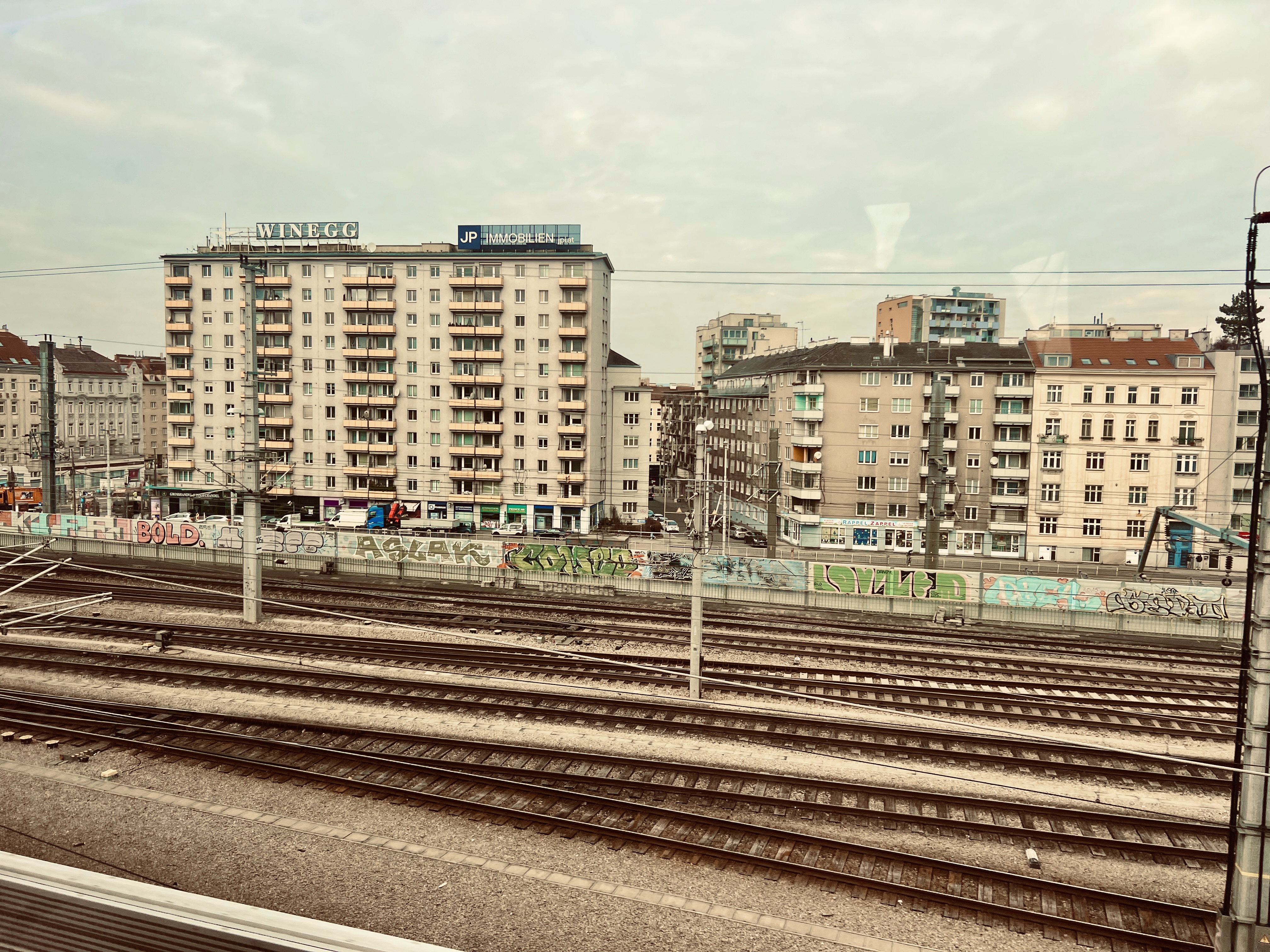
We were excited to see Budapest, however briefly.
In addition to the famed beauty of the city, we were interested to get into the history of the city, and experience some of the famous ‘ruin bars’ and other nightlife.
Unlike Poland or Czechia, Hungary was a willing member of the Third Reich, and was building it’s own version of Nazism through the 1920s ahead of the war. It was a willing ally of Hitler in WWII and the final solution.
In 1938 Hungary had a Jewish community of some 800,000 people and Budapest had the second largest synagogue in the world. During the war, the local government established the Budapest ghetto which was literally a straight shot to Auschwitz and more than 550,000 Hungarian Jews were murdered. Today there are less than 50,000 Jews are left in the country.
When the Soviet troops arrived in the country in 1945, they weren’t really ‘liberating’ the country from Nazi rule – they had chosen to be allies – they were really an invading force who ultimately stayed. Unlike Czechia, whose communist party was ushered in through (flawed) elections, the Hungarian communist state was established hot on the heels of WWII without even a quasi democratic process. This didn’t work out so well, and within a decade (1956) Russian tanks were on the streets of Budapest quelling the first of the revolutions against communist rule – however the country didn’t declare independence until the early 1990s.
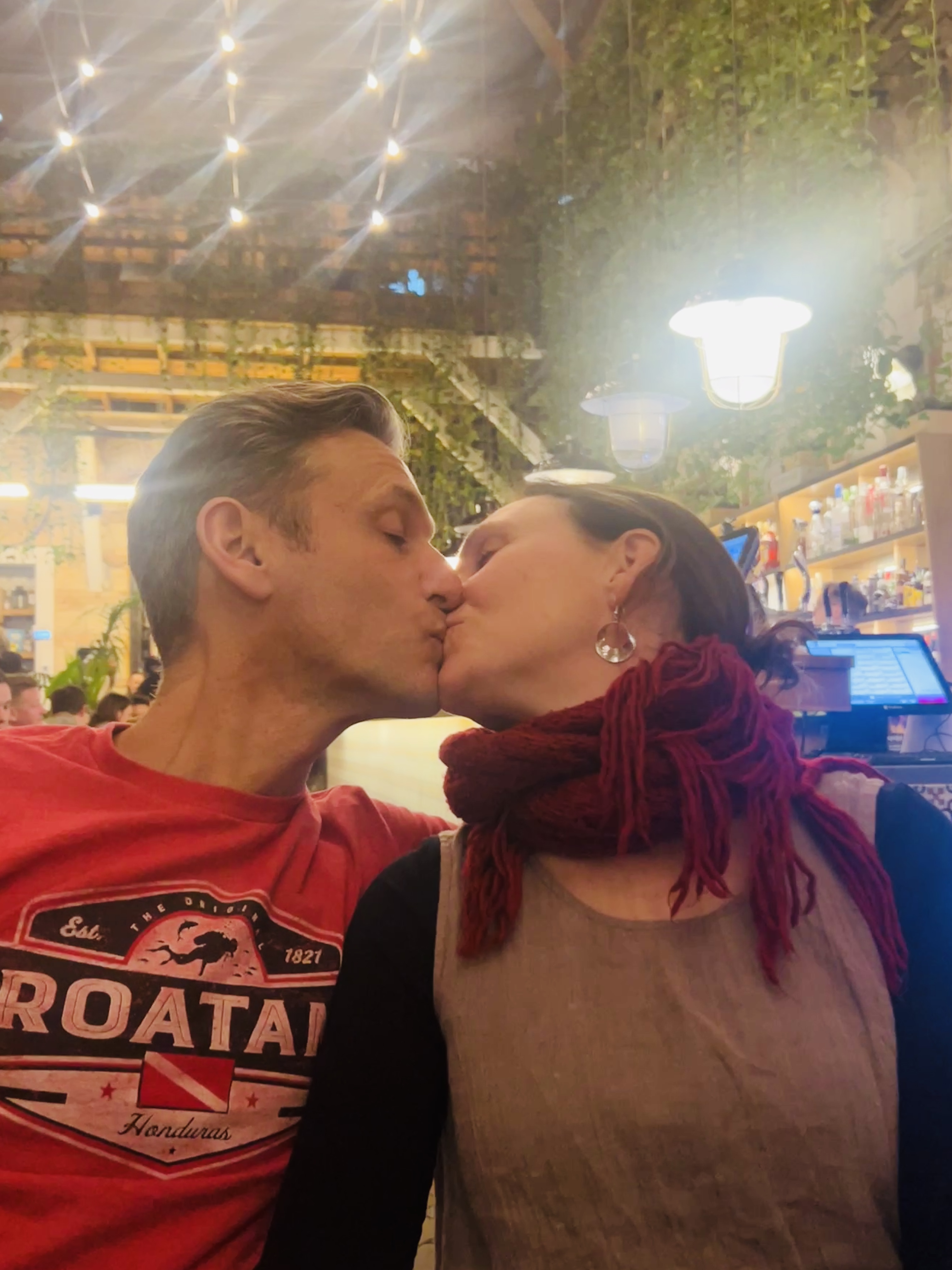
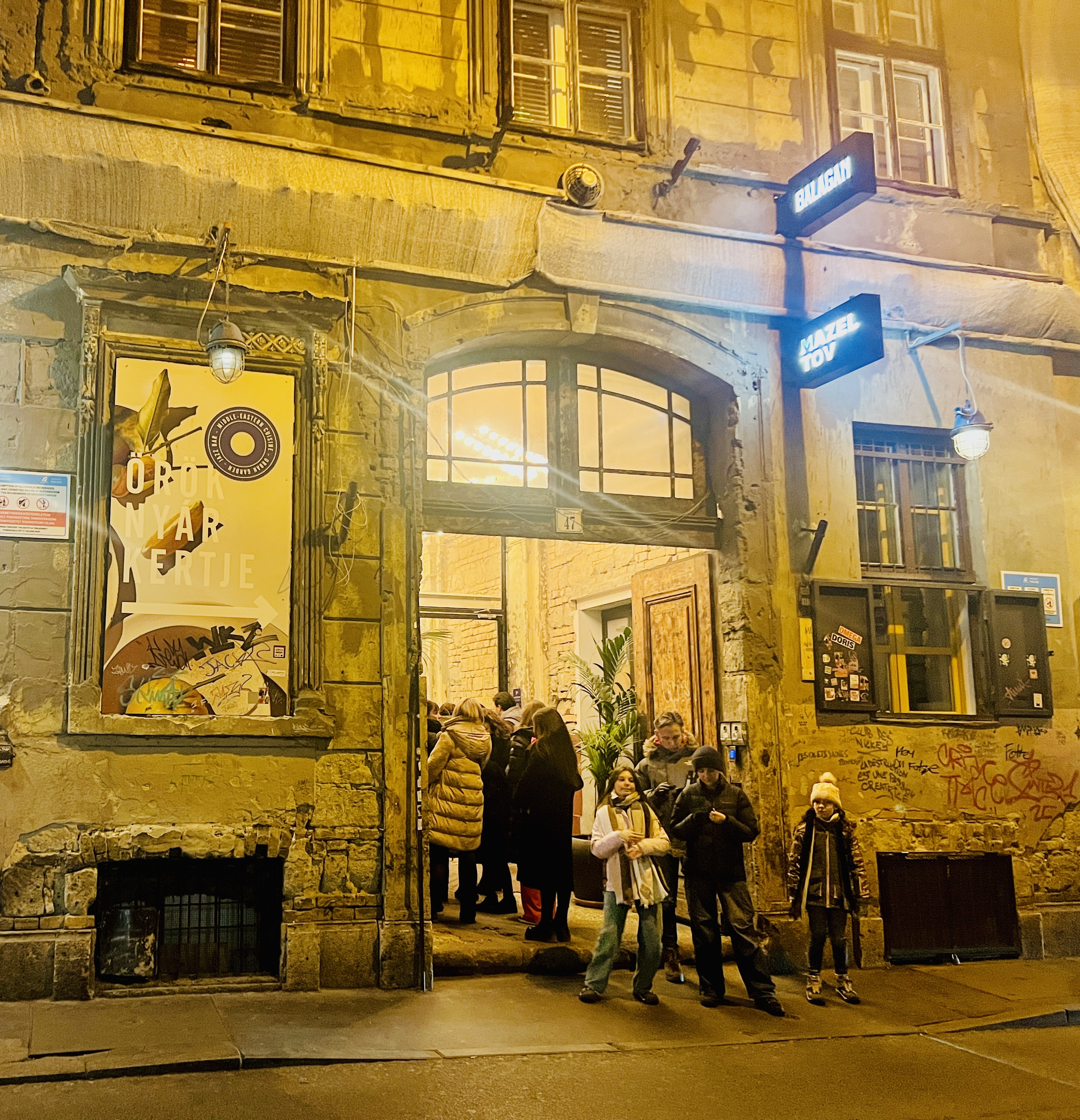
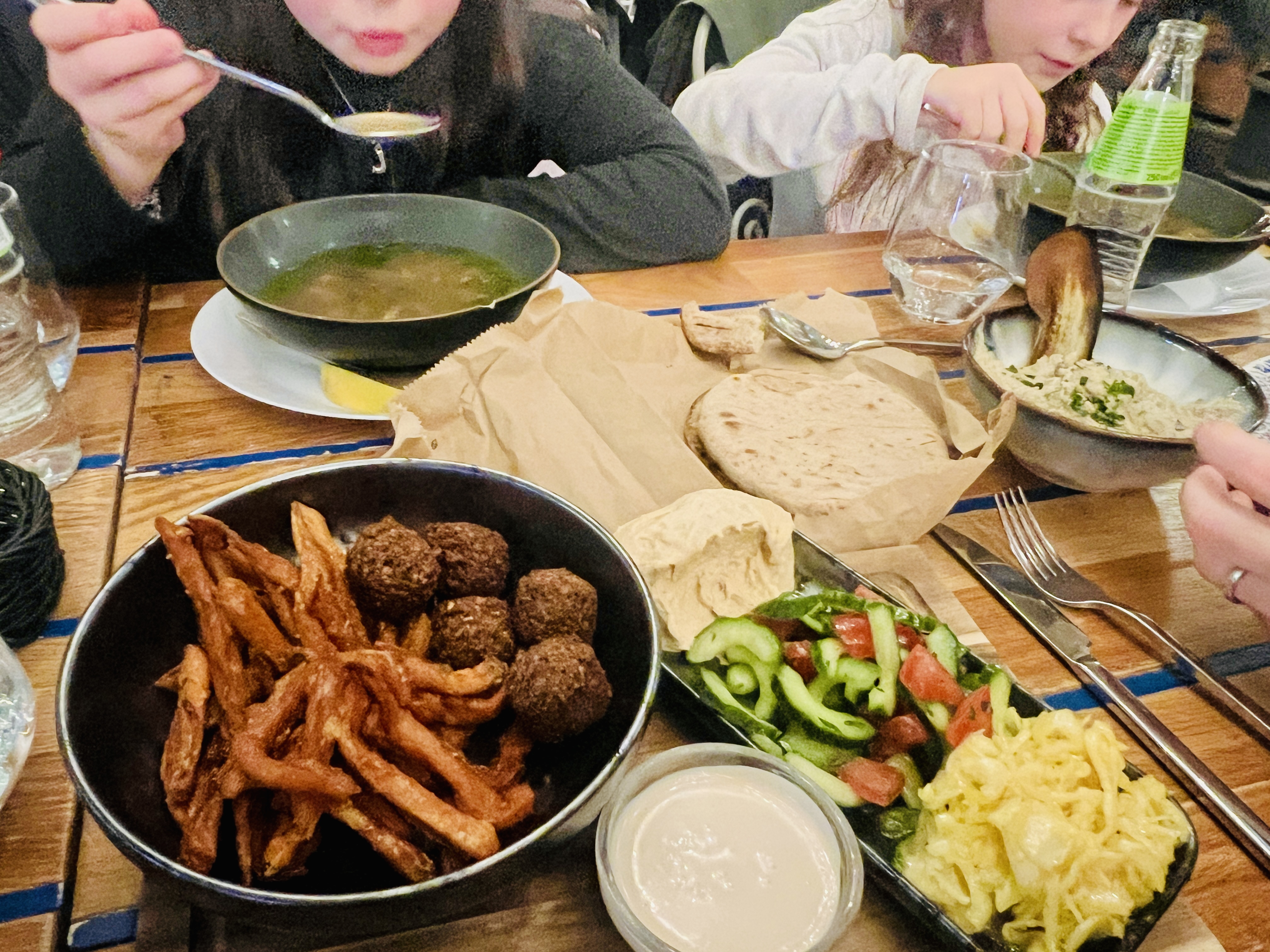
We spent the first evening wandering around the Jewish Quarter, the previous site of the Budapest Ghetto, and now a trendy nightlife spot. We ate Israeli food at the excellent Mazel Tov, wandered through the nightlife spots and past the stunning and enormous synagogue.
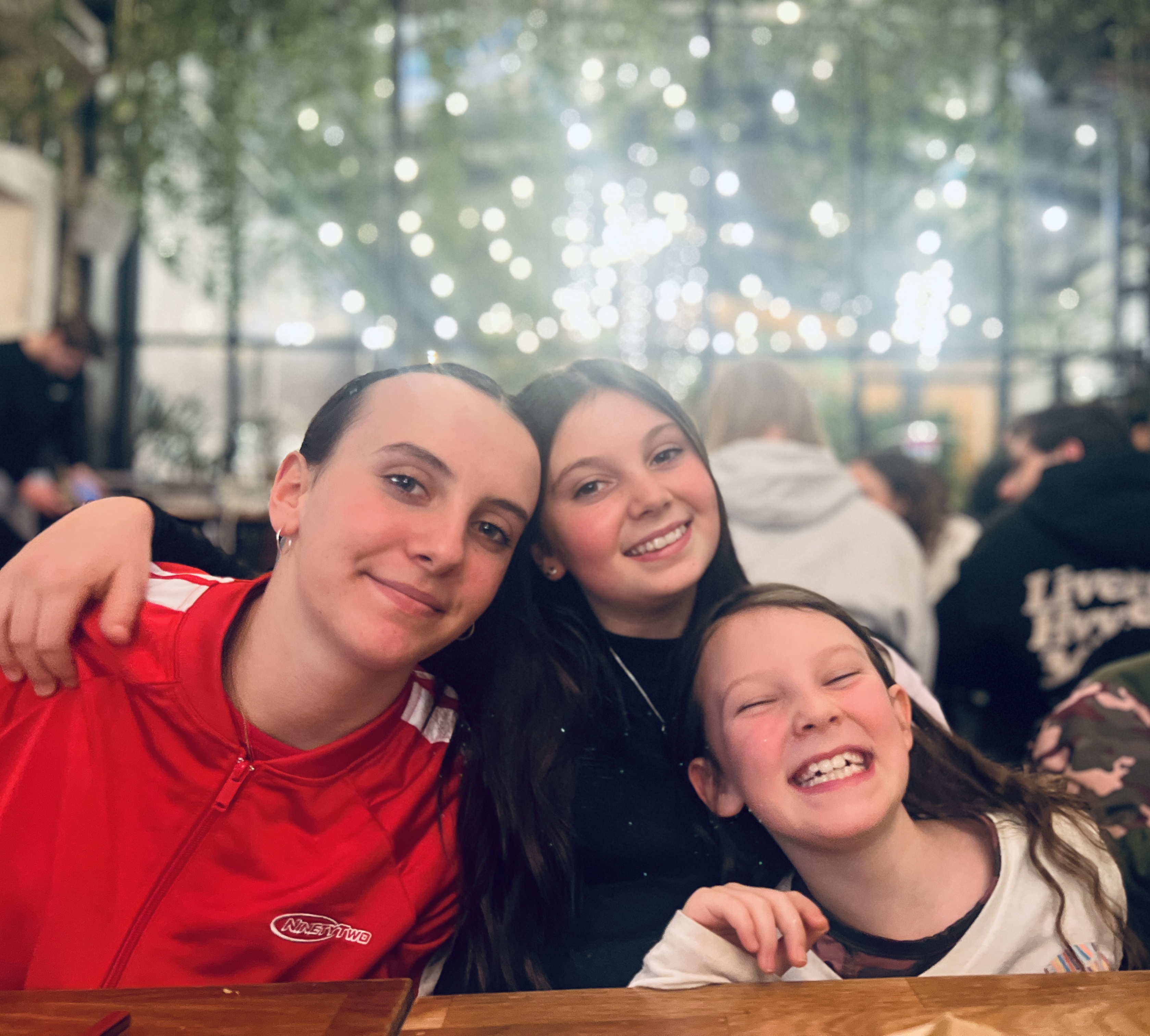
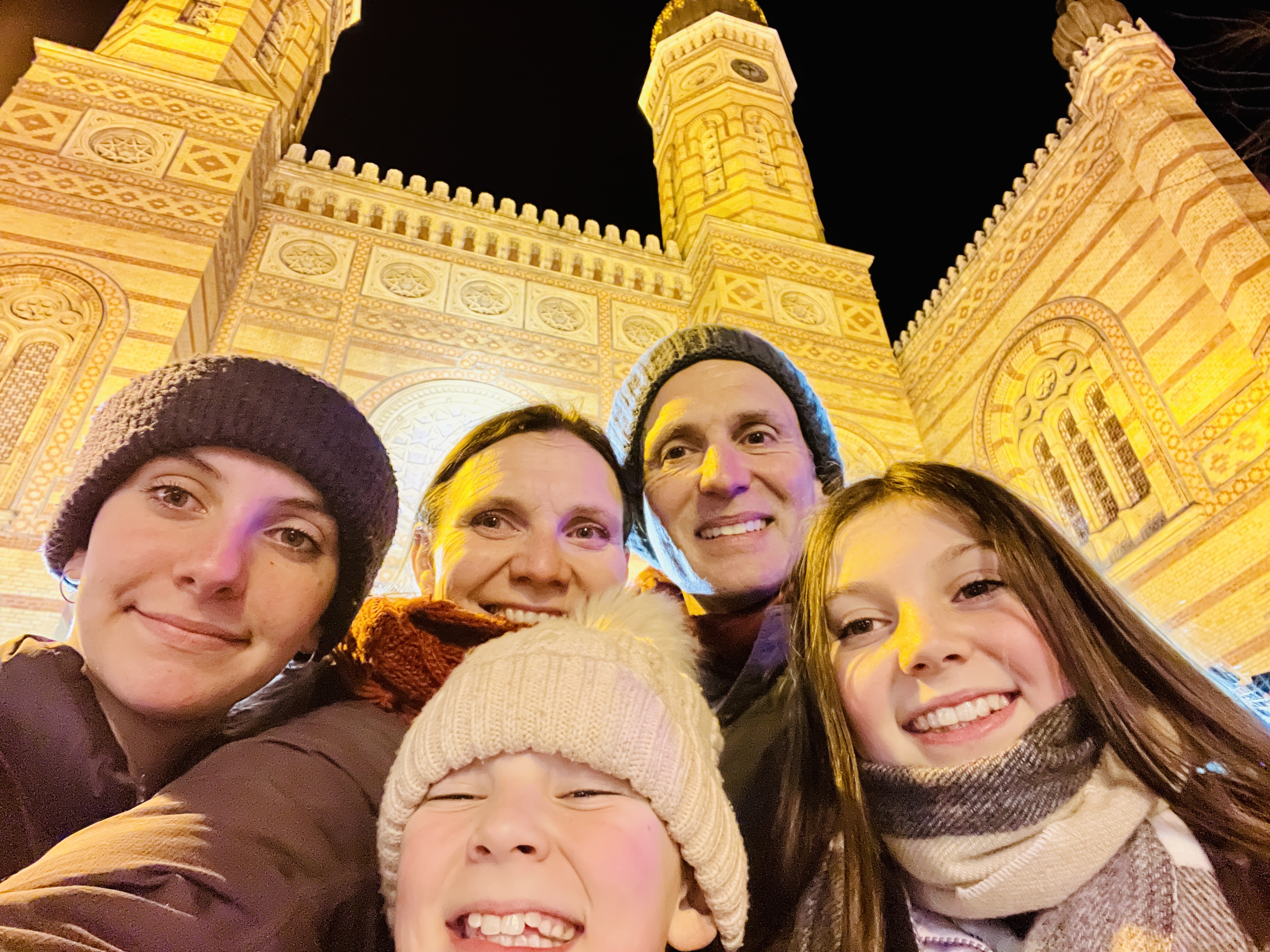
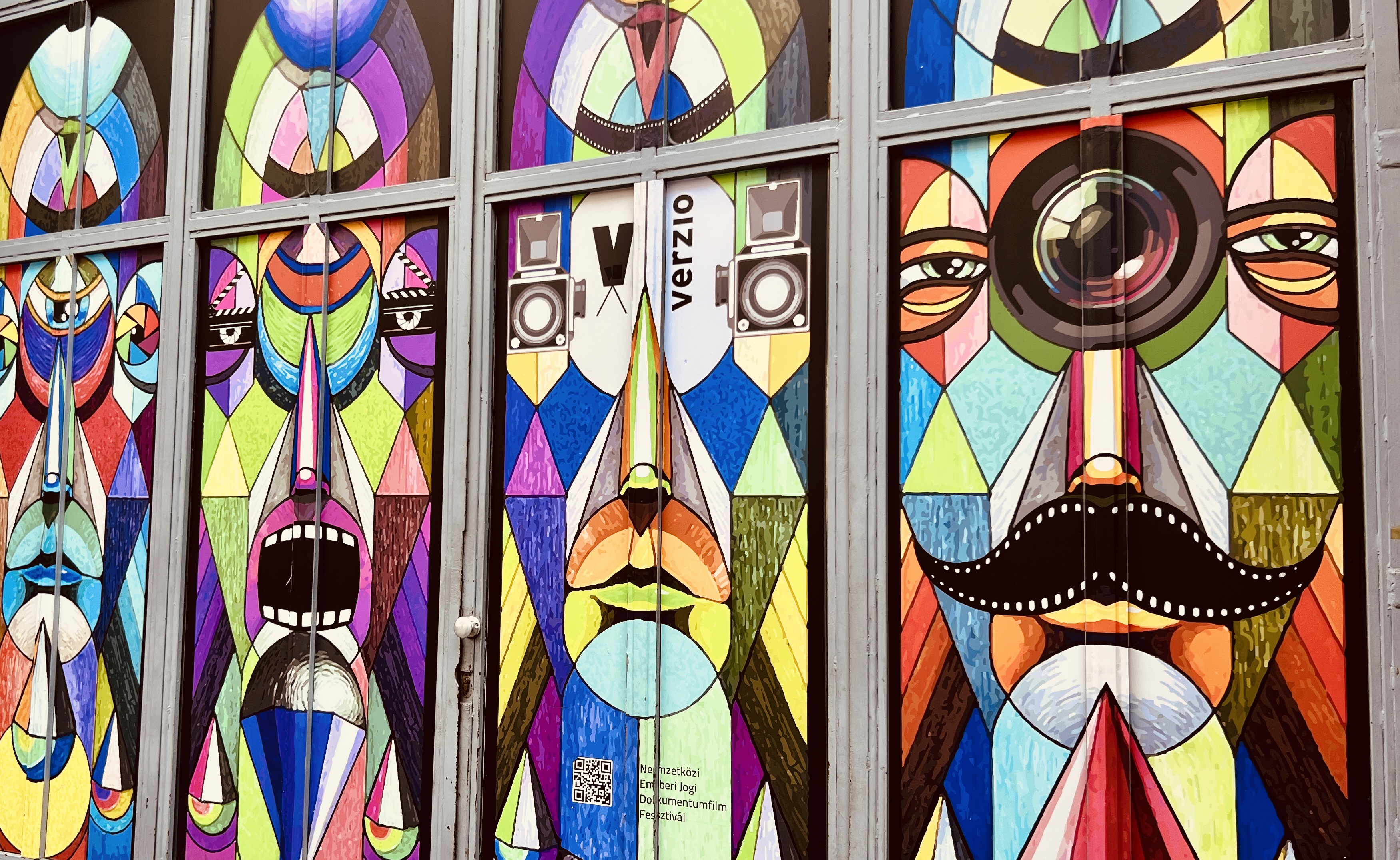
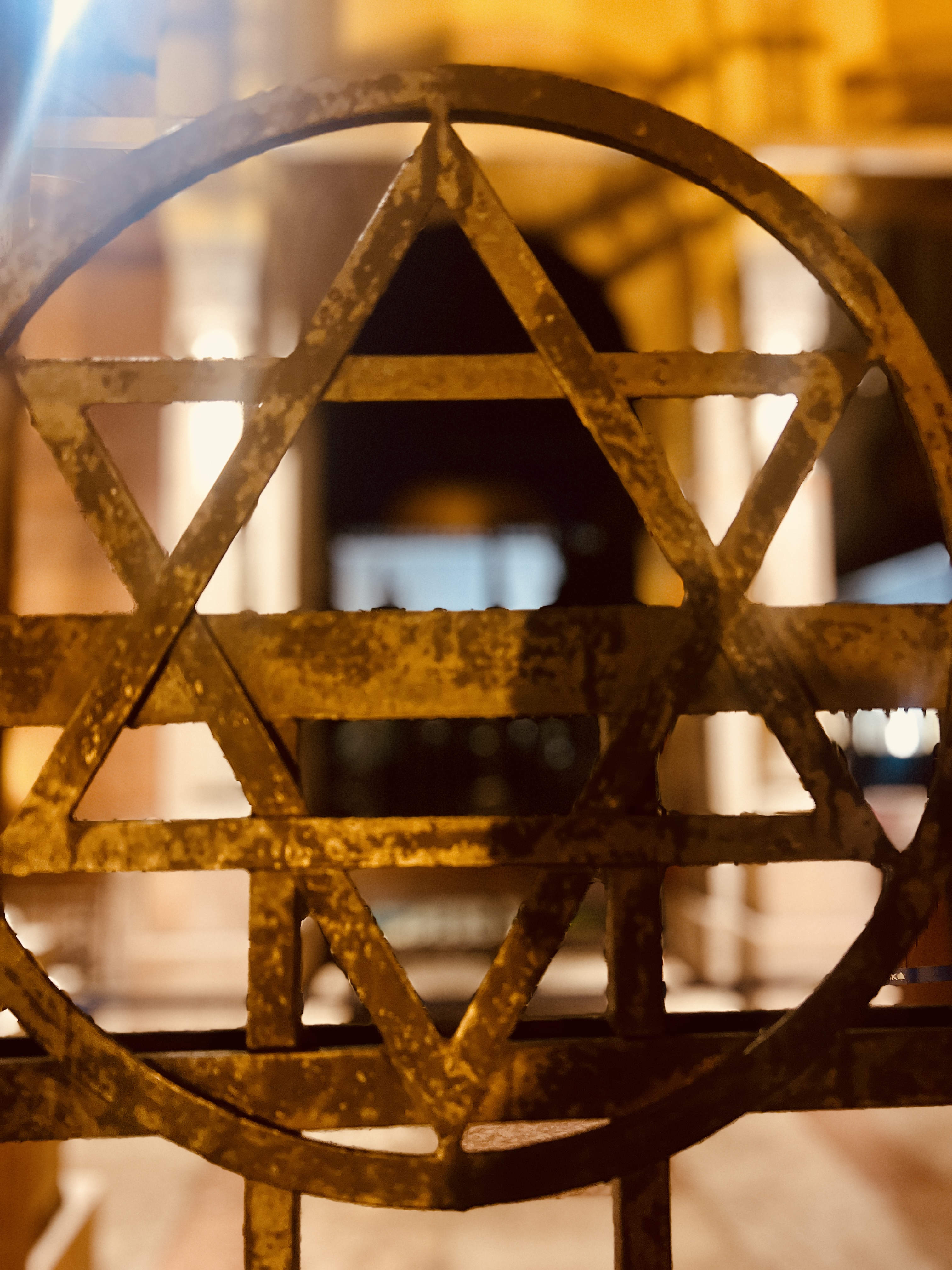
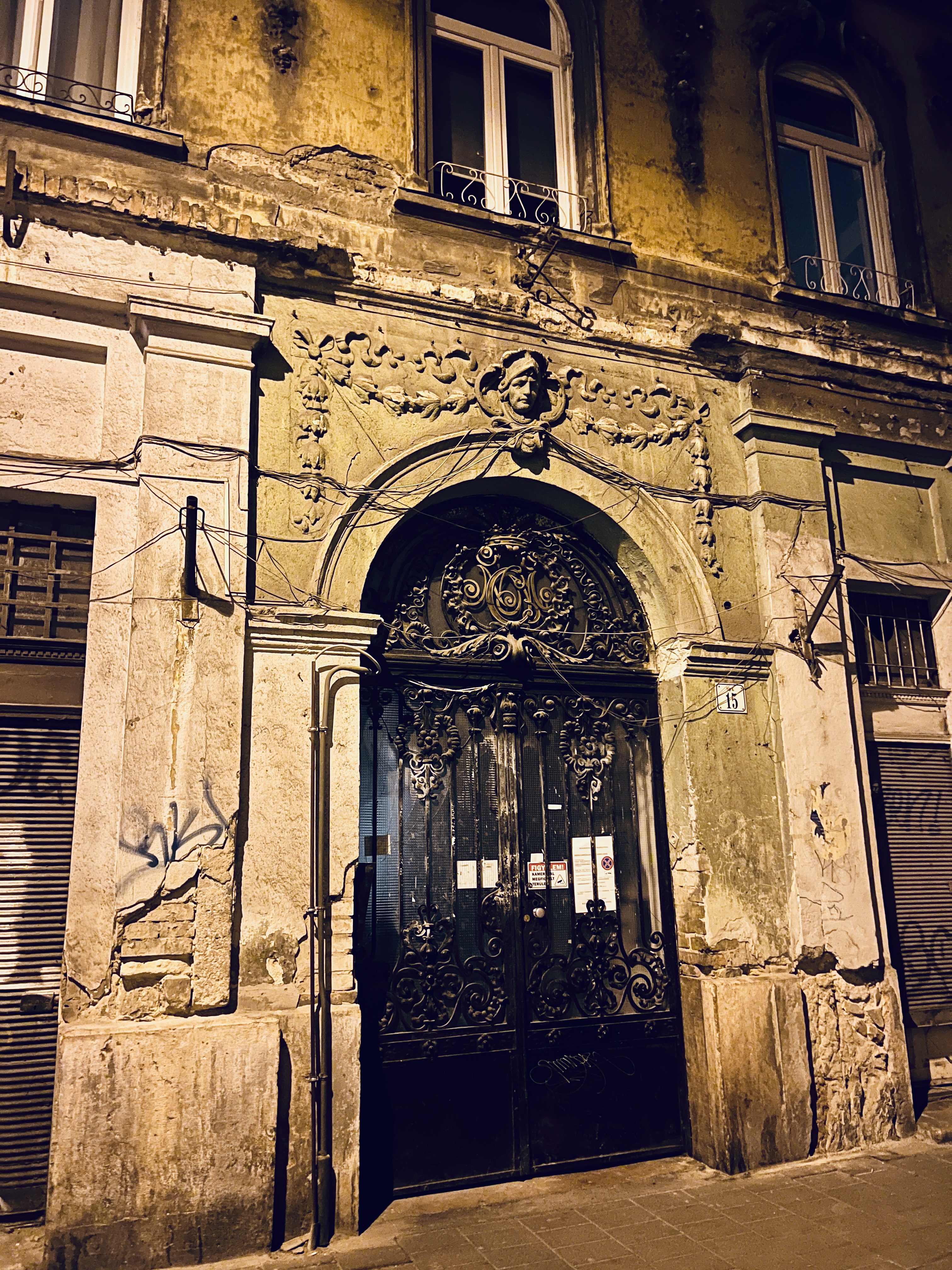
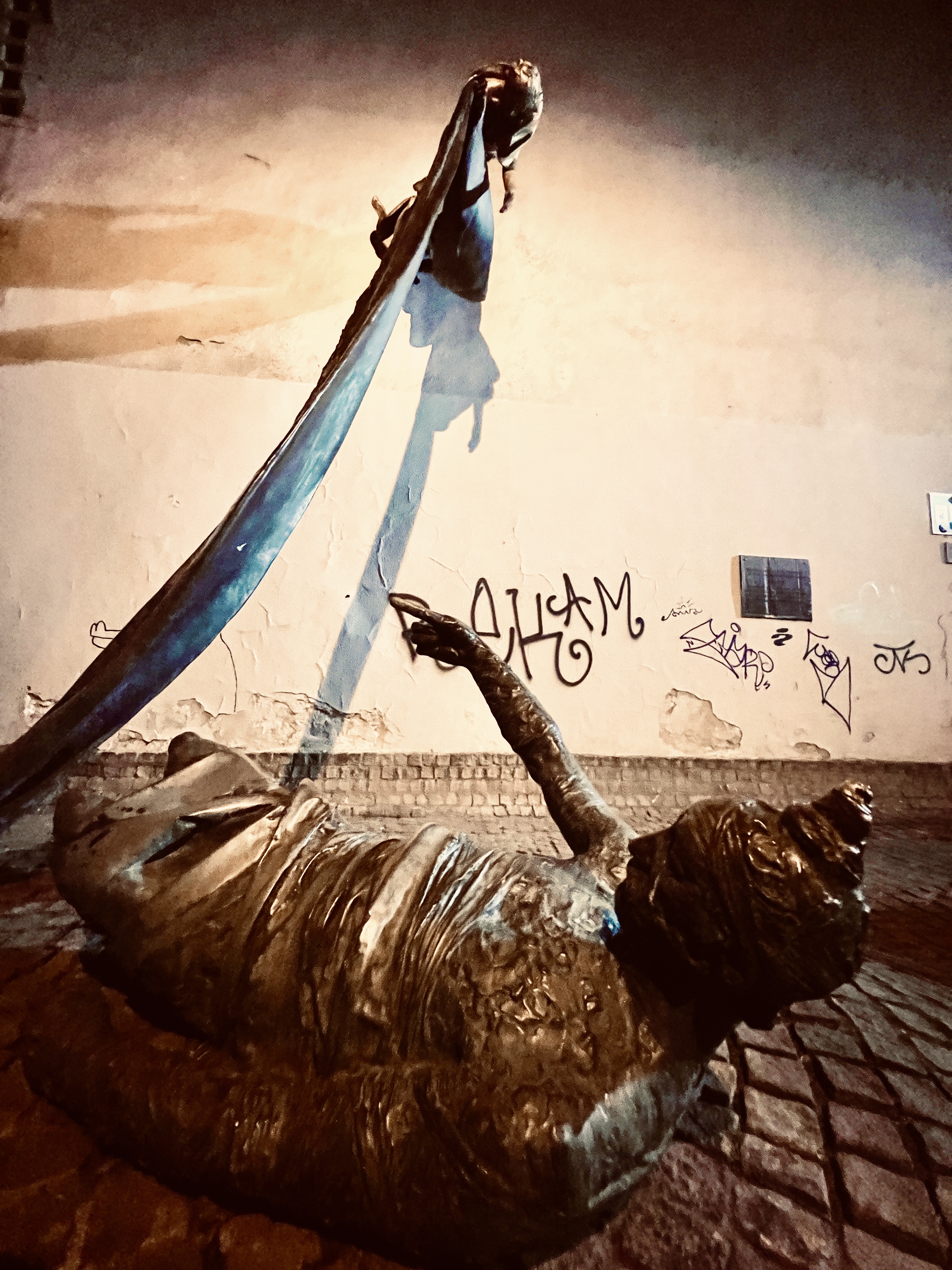
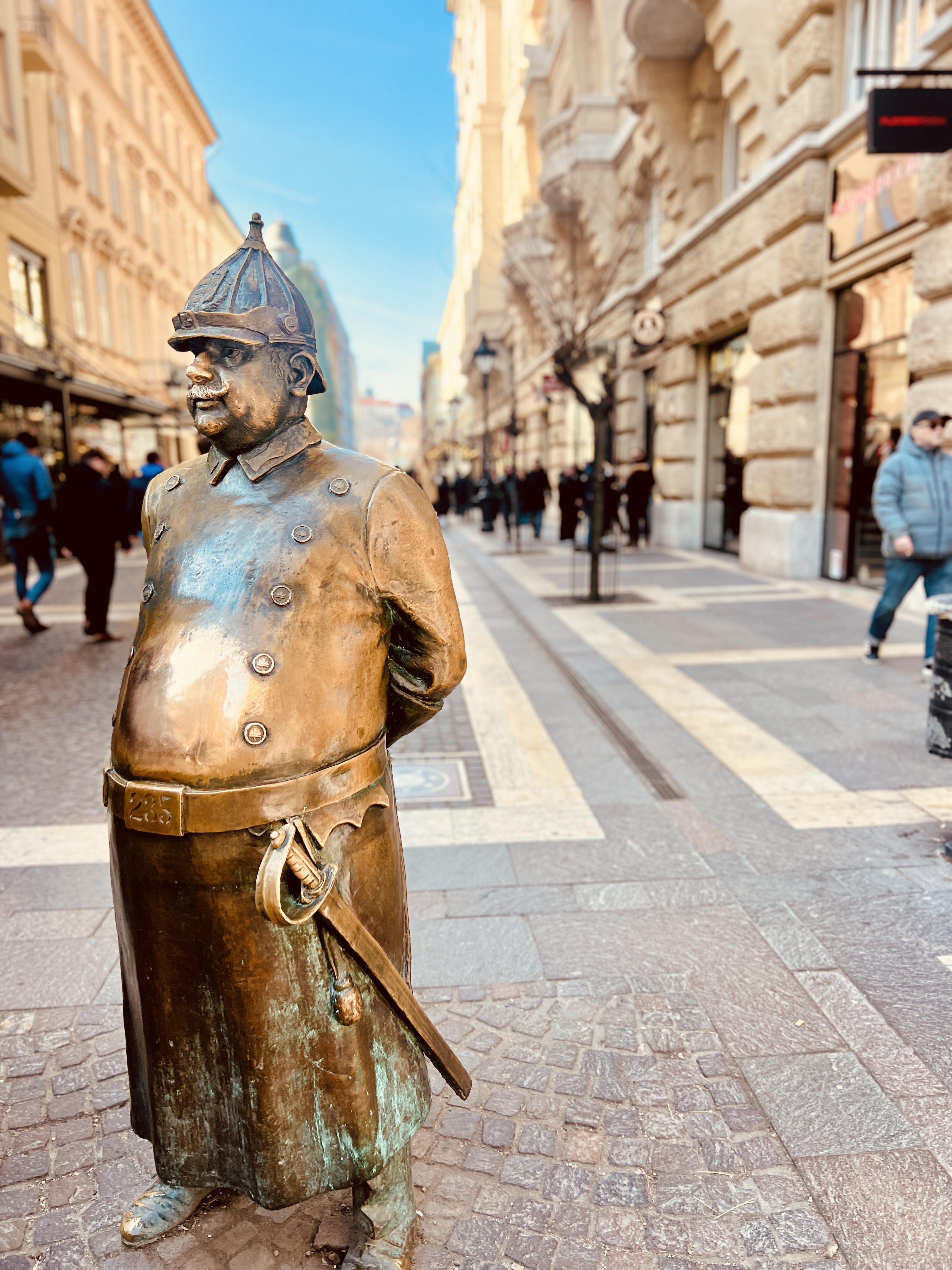
For our final day in the Budapest – and of this trip – we got another walking tour (the fact that the kids eyes were starting to glaze over a bit at the prospect of another walking tour suggested it was soon time to head home!). The excellent Robert took us around the centre of Budapest, showing off the amazing St Stephen’s cathedral, Liberation Square, Parliament, Buda Castle, the wonderful Danube and famous Chain Bridge.
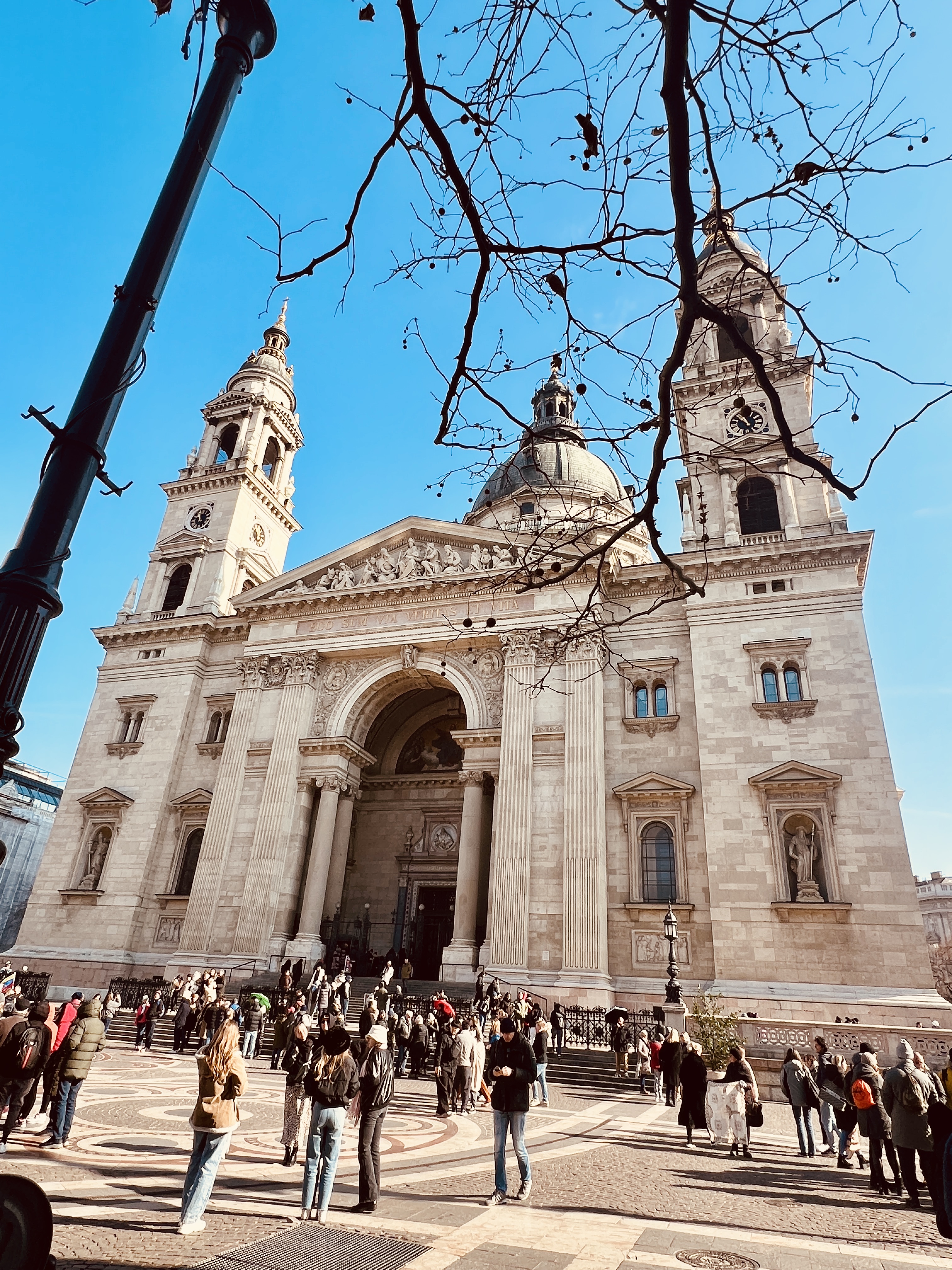
Like so much of this region, this part of the city does a wonderful job of combining beautiful architecture (mainly from the 1800s), confronting WWII history and a vibrant vibe that clearly looks forward rather than back.
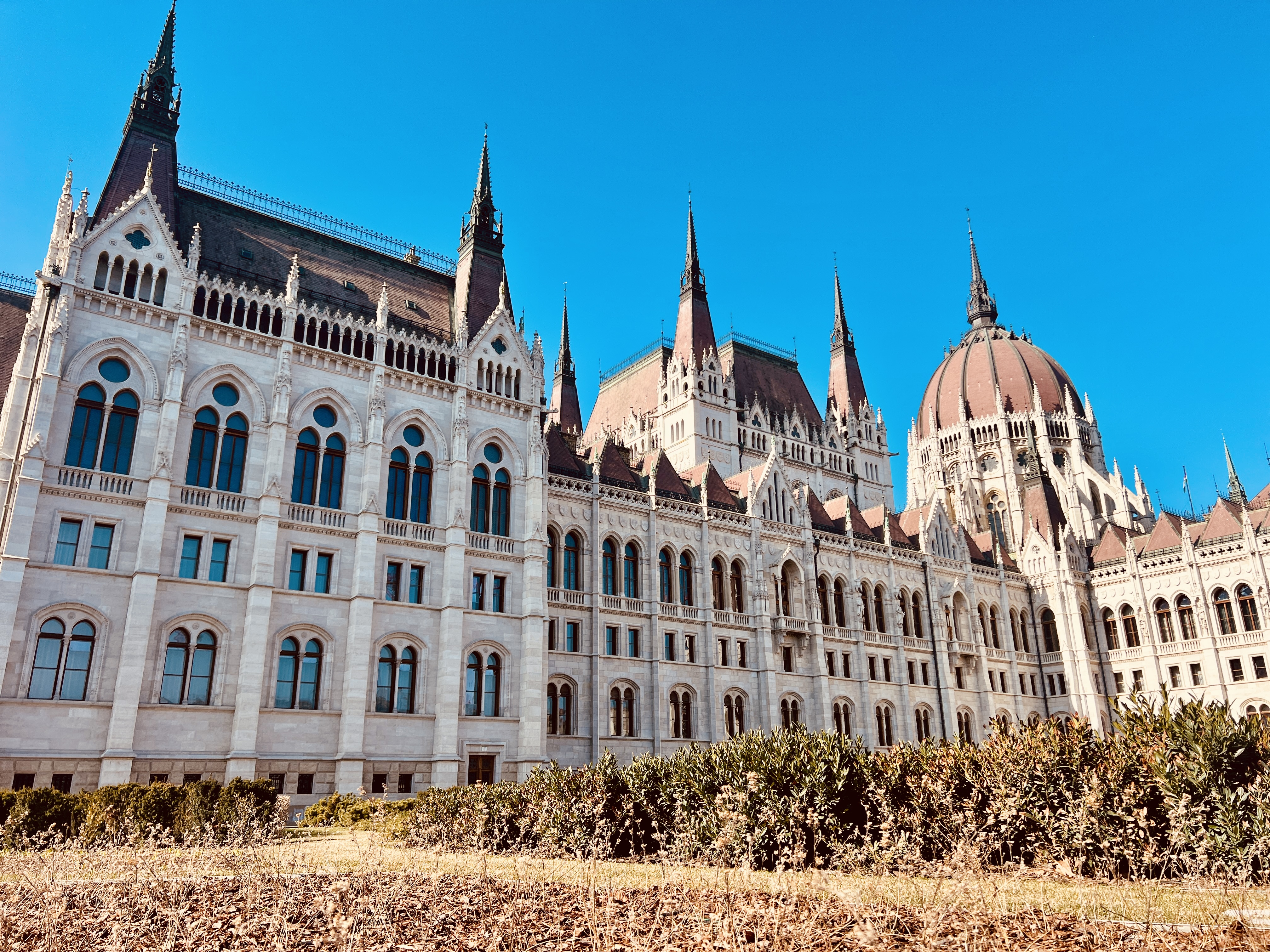
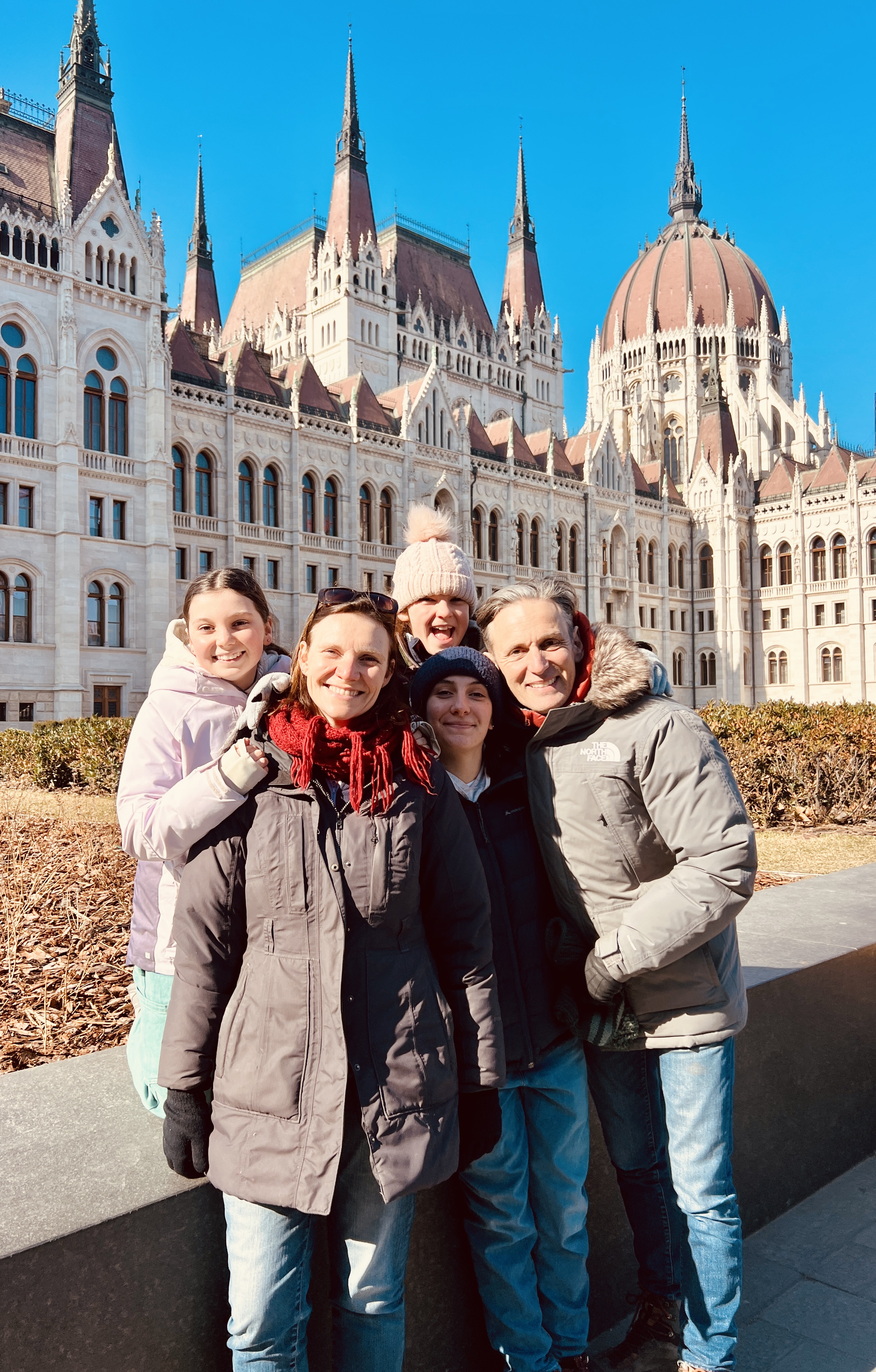
The stunning Parliament building is the world’s second biggest – obviously required to govern a country of less than 10m people.
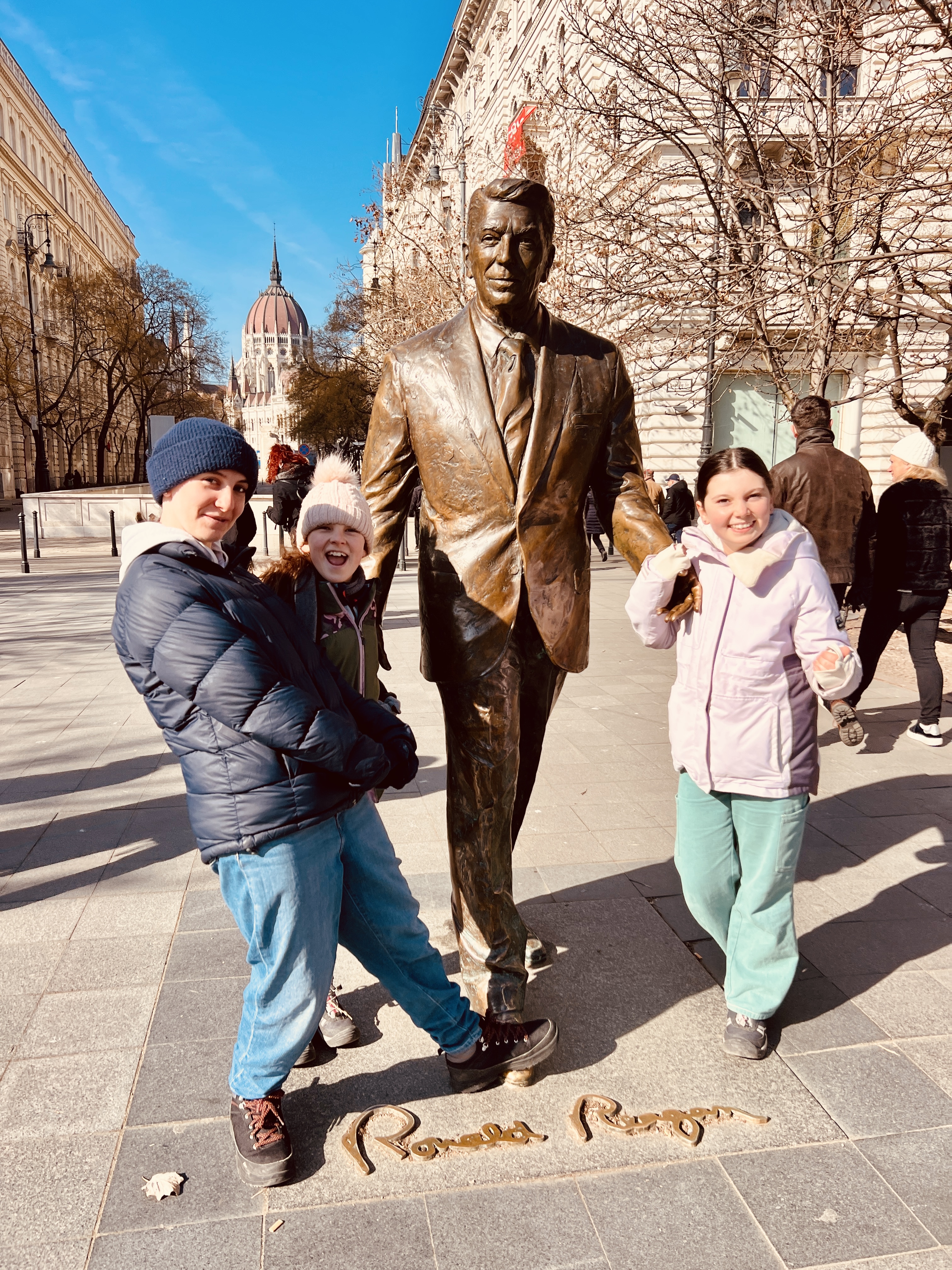
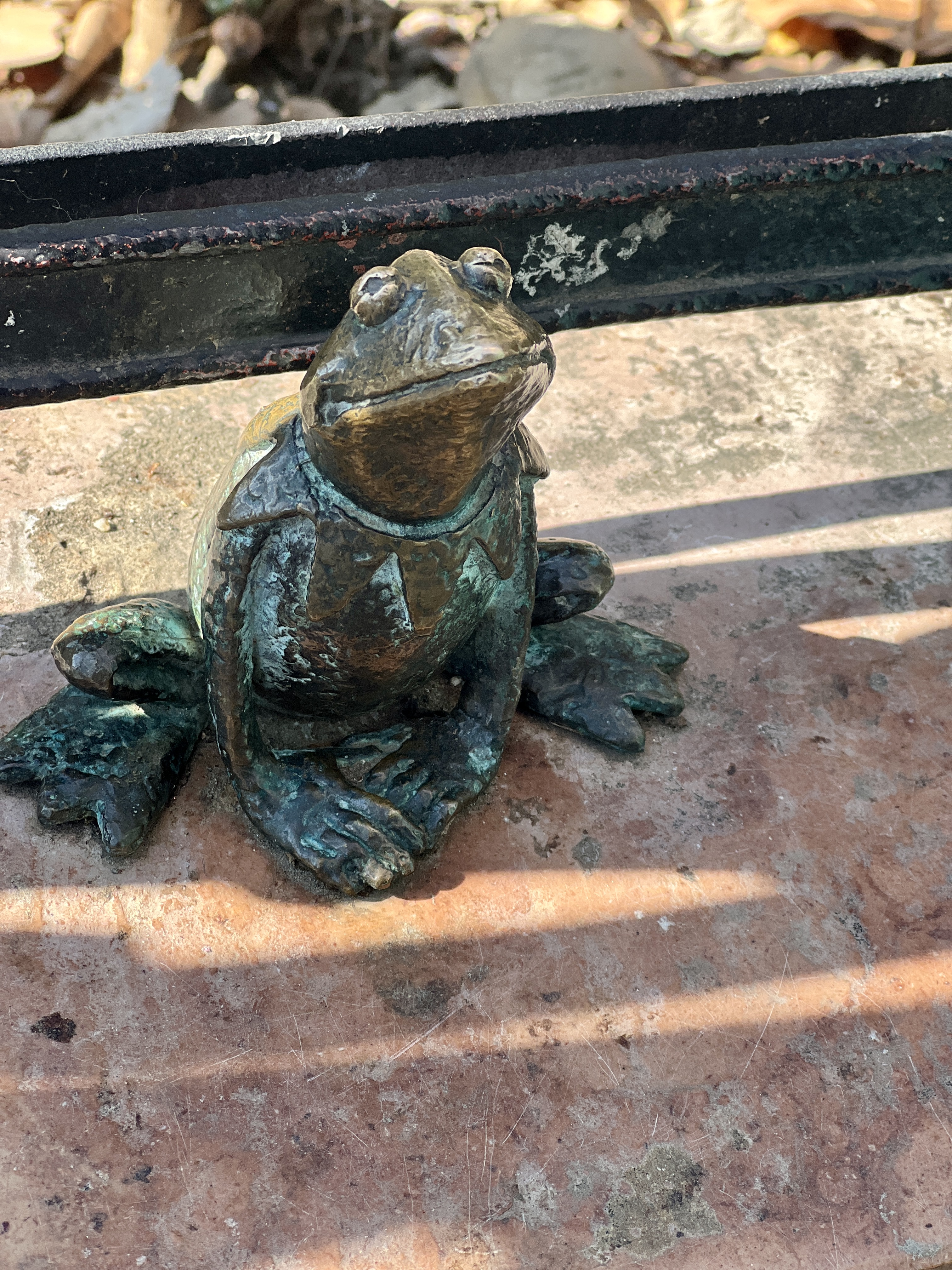
Seemingly random sculptures including famous Hungarians, Roland Reagan, Chuck Norris and Kermit the Frog are scattered throughout the city, each with a back story.
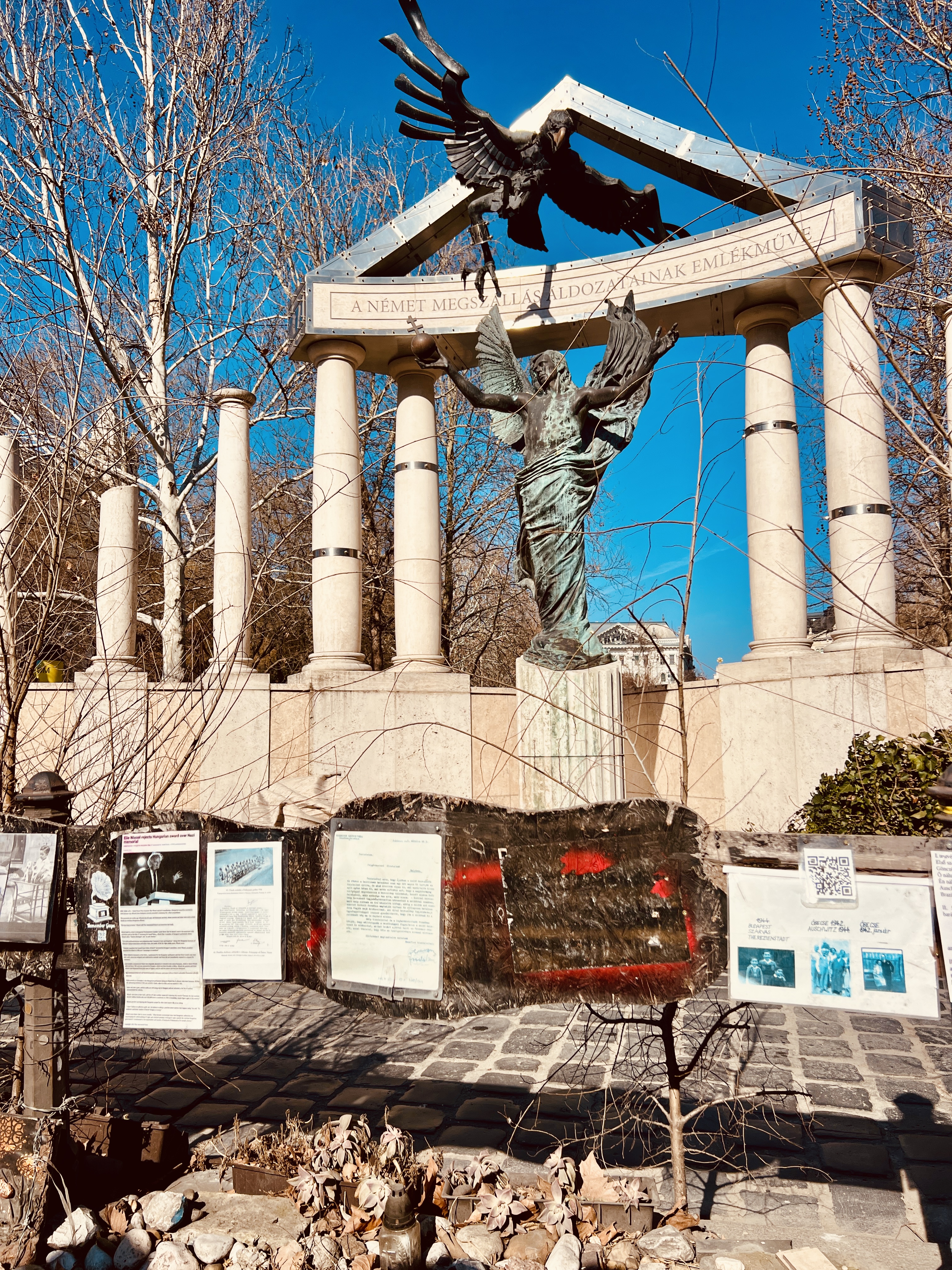
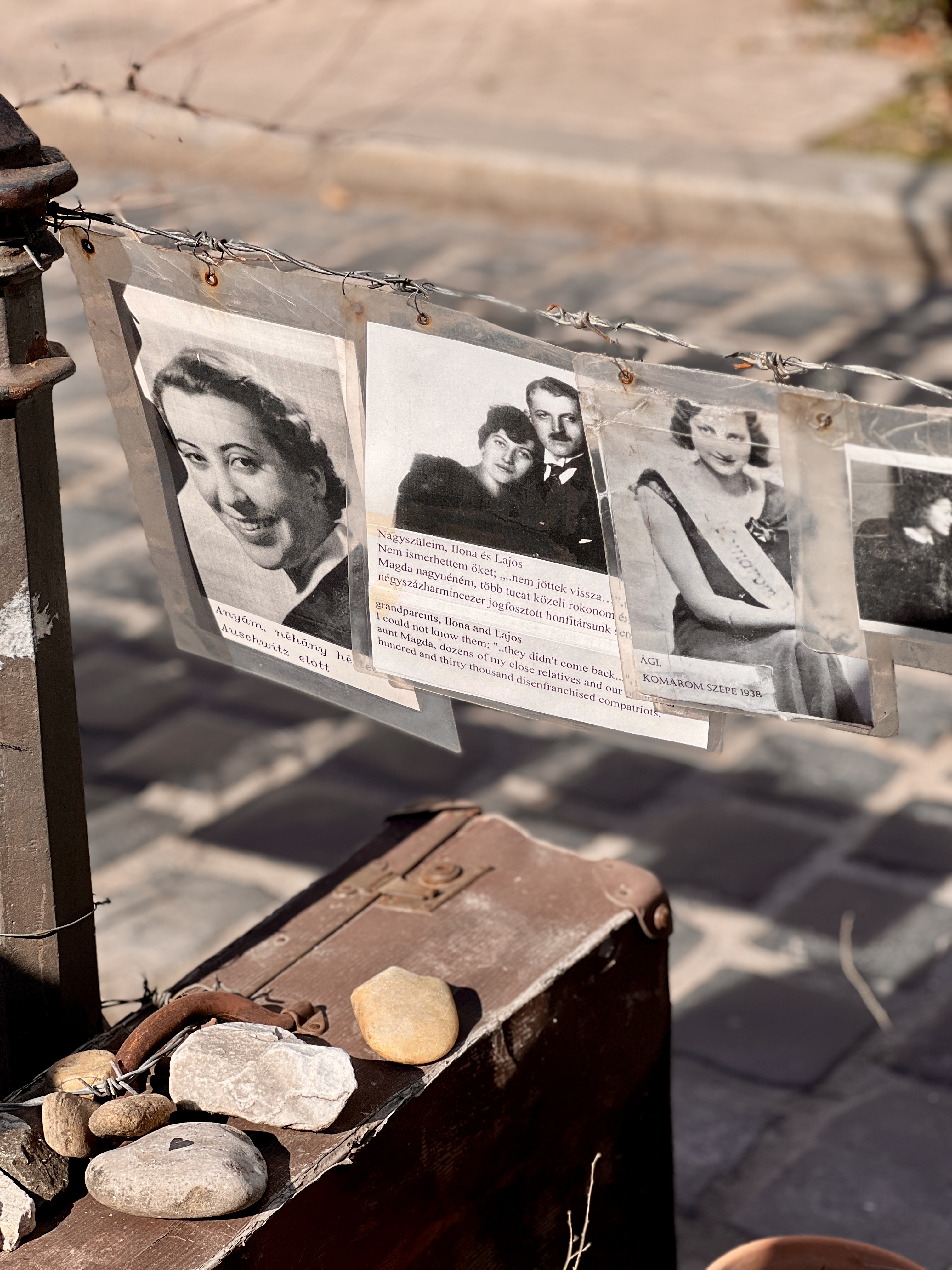
The main sculpture in Liberation Square seeks to rewrite Hungary’s role and responsibility in WWII, and is now covered with signs protesting transparency and acknowledgement of history.
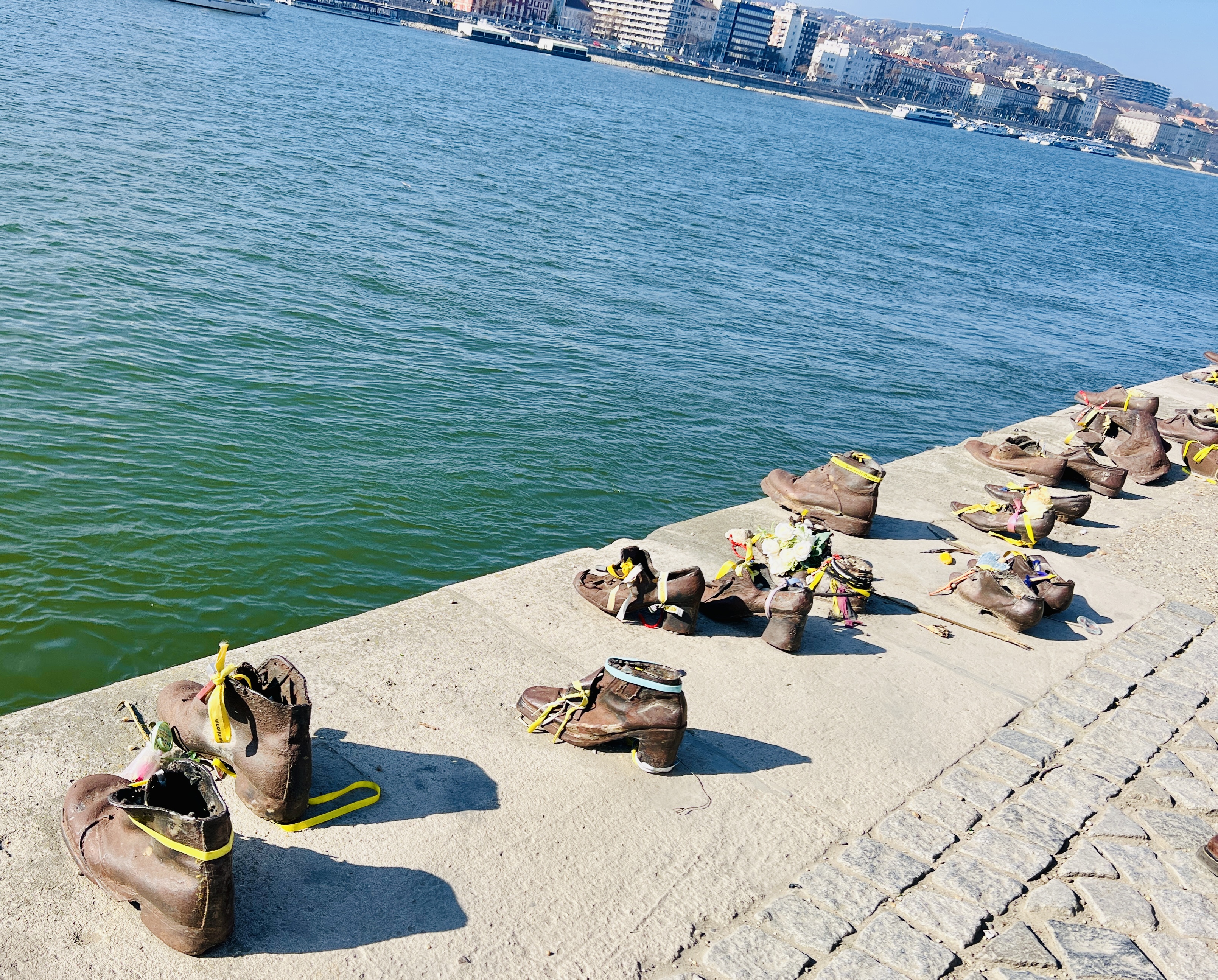
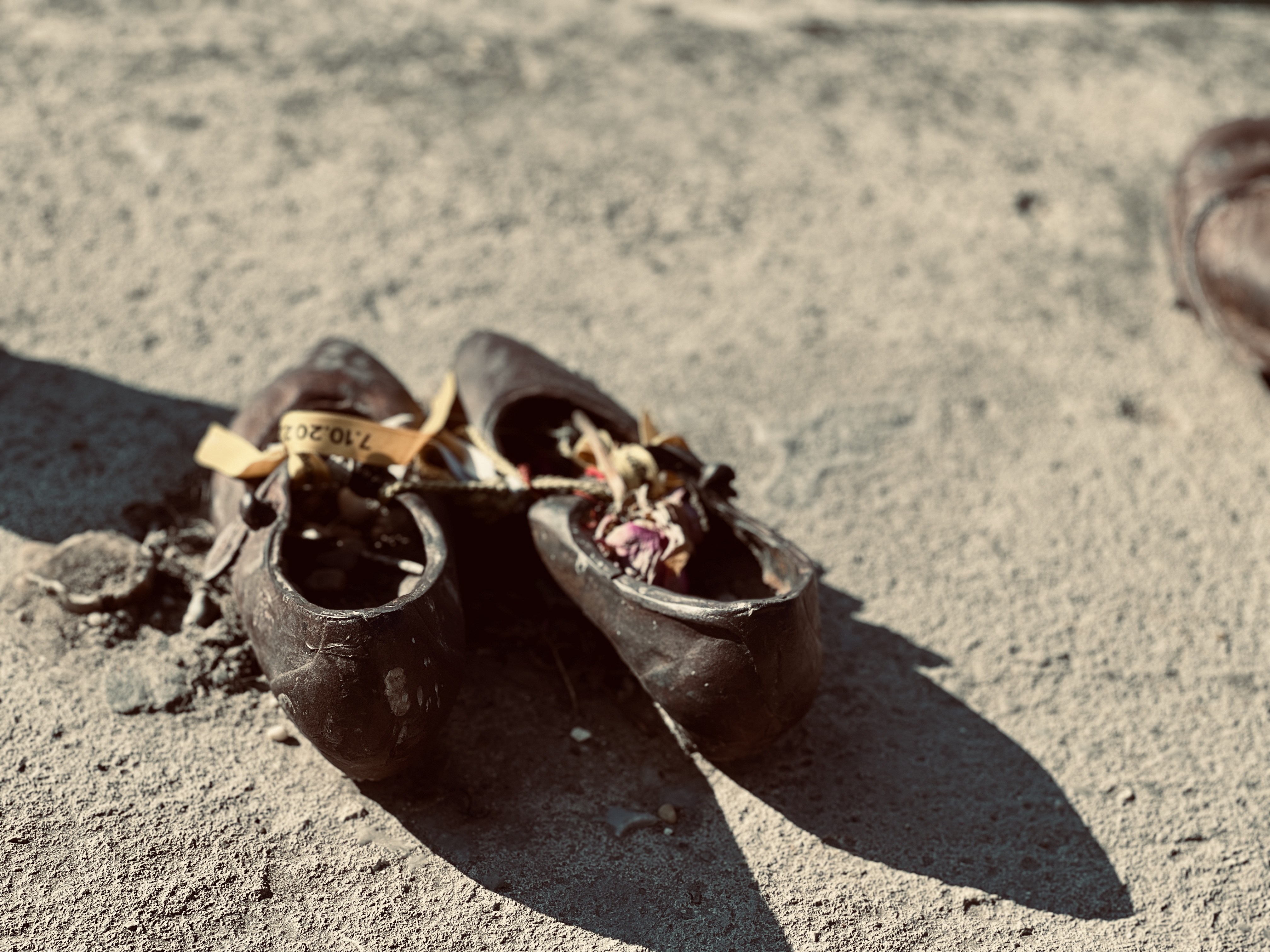
There is a sculpture of some 60 pairs of shoes on the banks of the Danube overlooking Buda Castle as a memorial to the thousands of Jews who were litterally lined up and shot in the middle of the night before the fast train to Birkenau was established.
Stunning ‘ruin bars’ with internal trees and vertical gardens hide behind dilapidated facades; and it feels like every second building is a cool restaurant or bar waiting to be explored.
This clearly was a city waiting to be properly explored, and ideally probably without the kids (sorry girls). We would put it on the list for a kids free weekend away.
And with that it was over. We picked up our bags and made our way to the airport, for our now customary on time Wizz Air departure.
The week had flown by but we felt like we had a great ‘taster’ of this fascinating region. Where stunning architecture meets incredible – and often confronting – history. Where the people seem to have acknowledged the challenges and often horrors of the past but is now keen to look forward to a much more vibrant future. Where we could travel by train rather than be anchored to a car.
We all agreed that it was great to be able to balance trips like this one and the Balkans – where we donned our backpacks and went exploring – with more active holidays like skiing, diving or the beach.
Lucky for us, there are plenty of other places on the list, and we’re already in planning for the next one.
Now to go home and see Gus, and eat a massive bowl of vegetables!
 Joseph FAMILY ADVENTURES 2023 - 2025